
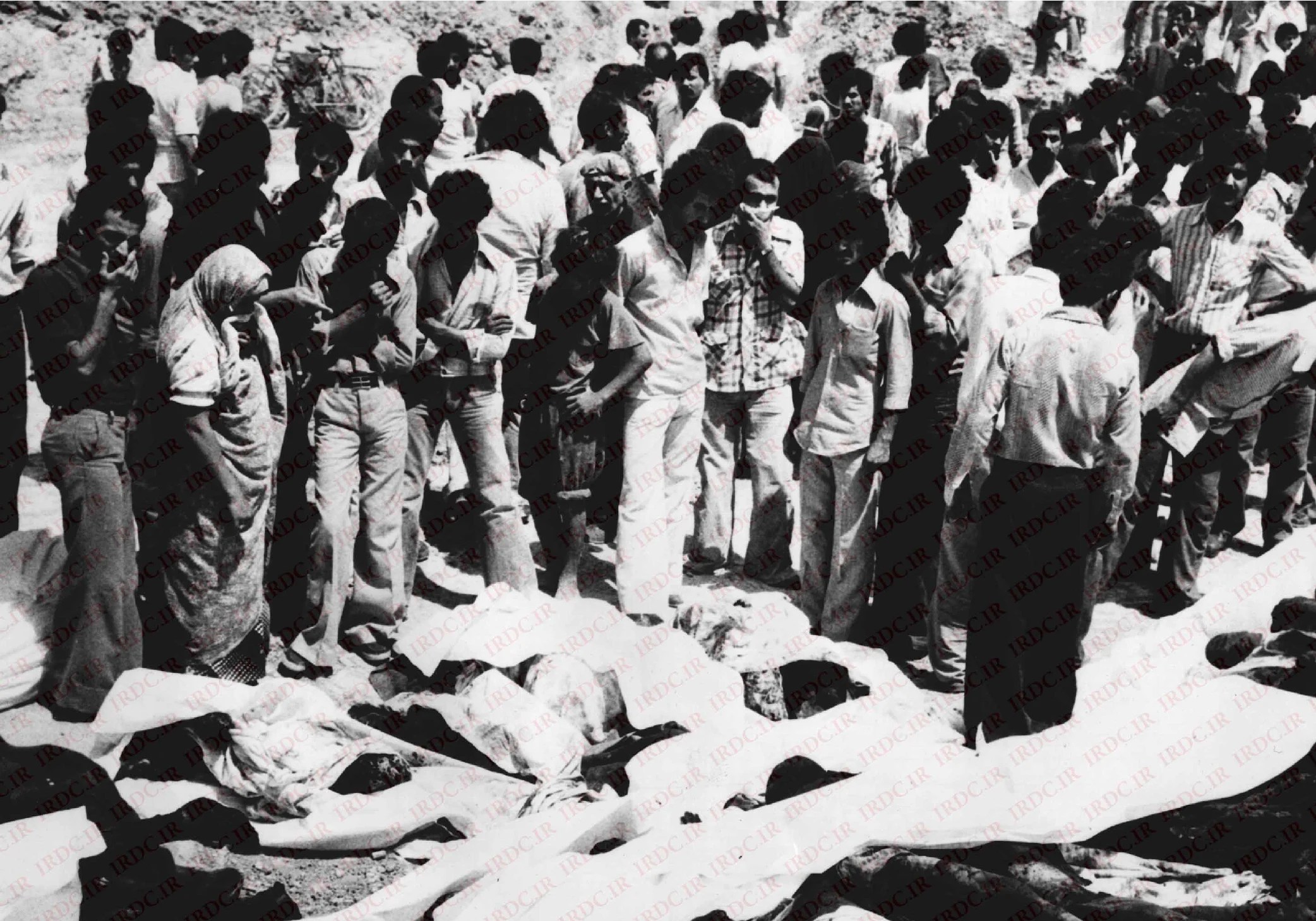
In January, the regime suppressed reports of large-scale civilian massacres while publicly claiming that only 3,000 of its own security personnel had died in clashes with protesters. In reality, its armed forces killed more than 45,000 civilians in just two days, including at least 250 children.
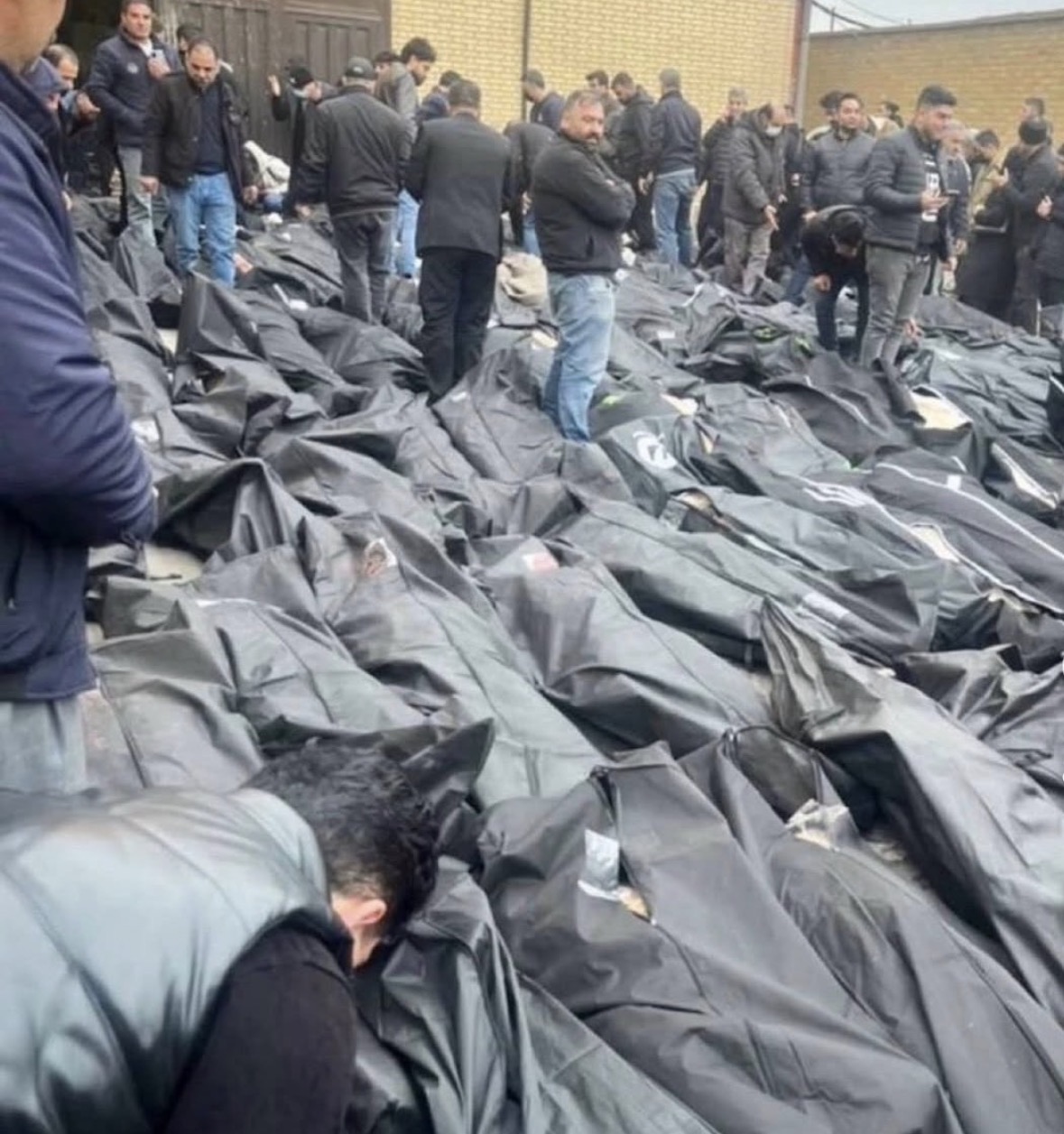
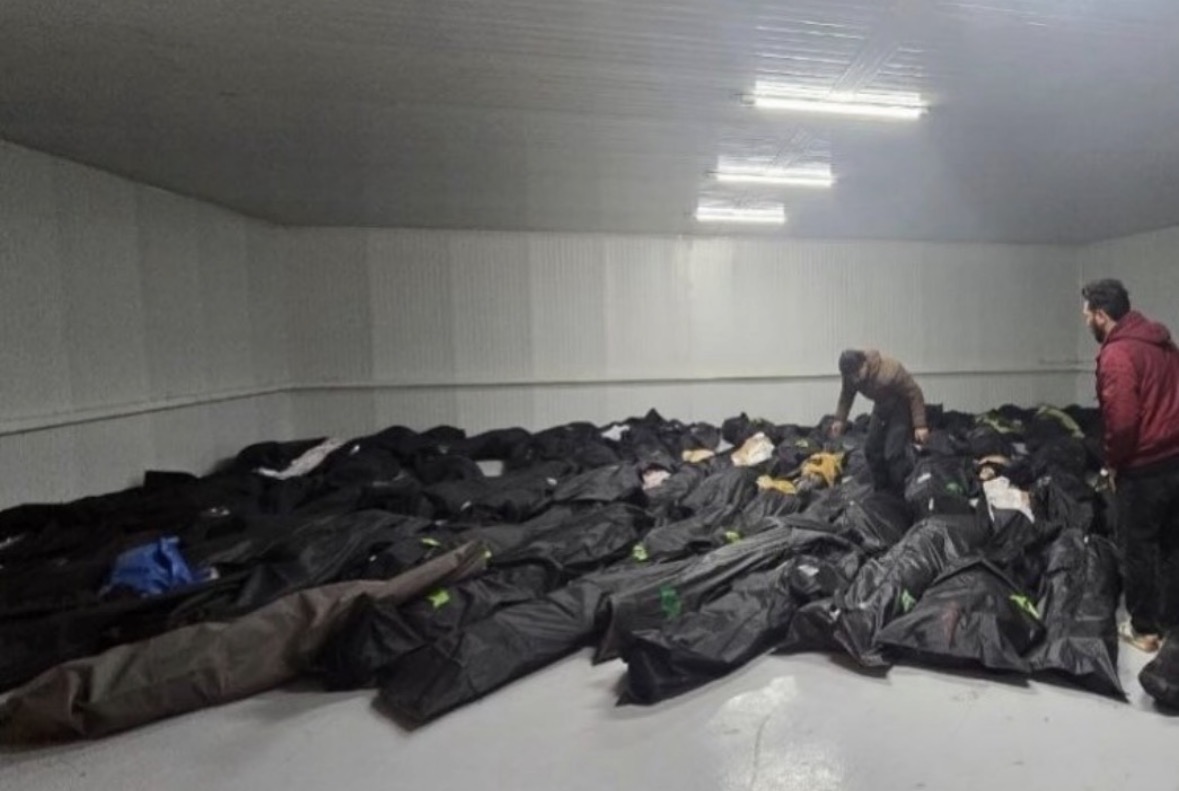
Millions in the diaspora shared this evidence and protested worldwide. But instead of reporting the scale of this massacre, major Western media outlets reported unrest, arrests, limited shootings, and internet shutdowns. However, once the strikes began, coverage became immediate and continuous.
This difference is about more than editorial choice.
The Islamic Republic and its proxies have built an extremely sophisticated propaganda machine. This system operates through Internet shutdowns, controlled diplomatic messaging, narrative framing for Western mainstream media, social media manipulation using bots and misinformed influencers, and the selective release or suppression of casualty figures during periods of unrest and conflict.
At the same time, officials promoted the claim that the national demonstrations were operations directed by the Mossad and the CIA.
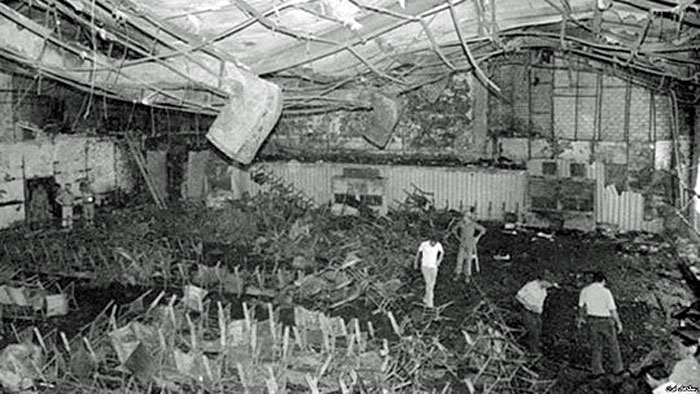
Iranians have seen similar narrative reversals before. The 1978 Cinema Rex fire, which killed around 422 people, became one of the most influential turning points of the revolution after responsibility was initially attributed to the Shah’s security service, SAVAK.
Later, Islamists associated with the revolutionary movement acknowledged involvement. The episode remains a widely cited example of how responsibility for violence can be reassigned during periods of political upheaval.
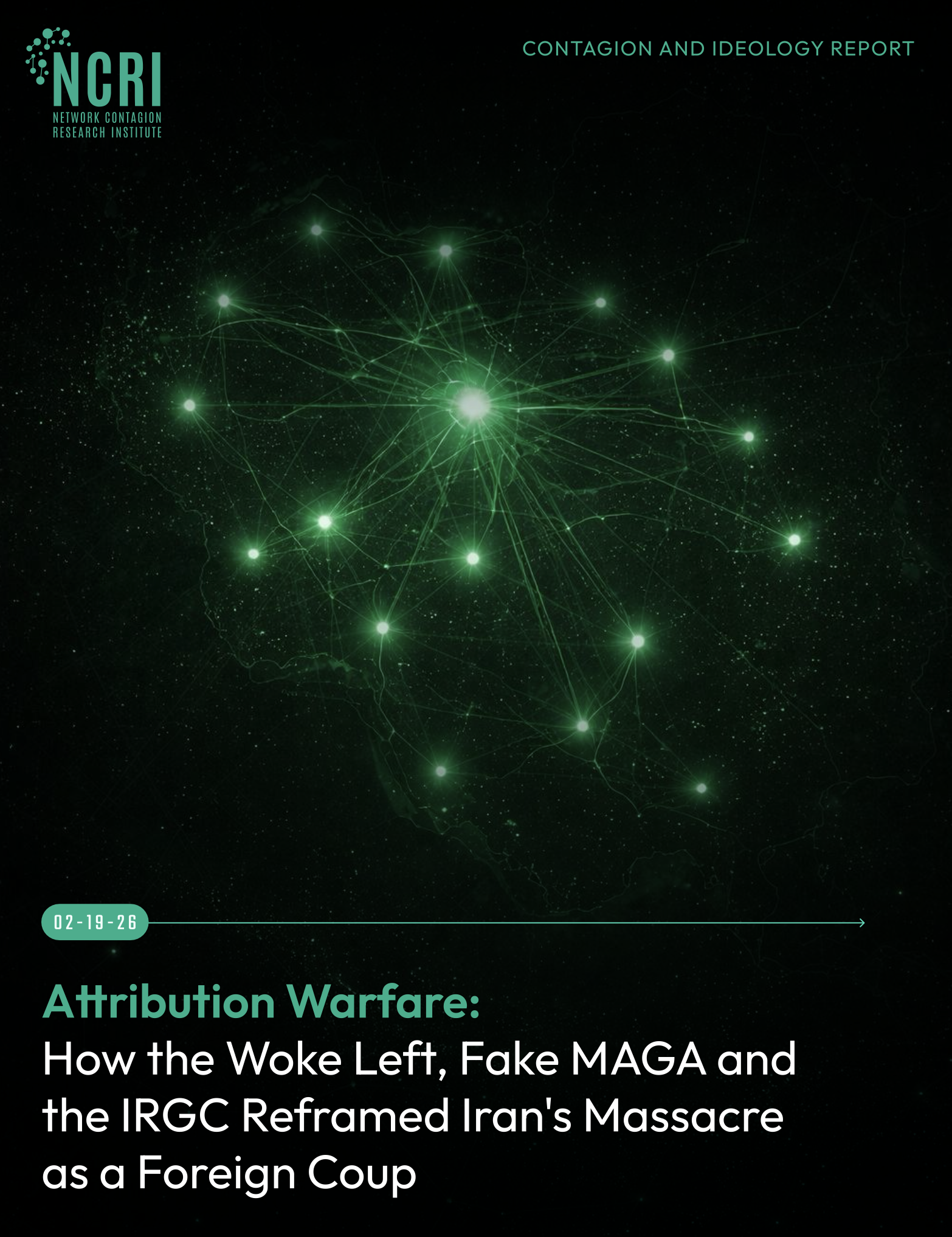
Recent analysis by the Network Contagion Research Institute shows that even before protests spread nationwide, regime-aligned media were already describing them as foreign sabotage directed by outside intelligence services.
This follows a familiar pattern:
- The claim that demonstrations are being organized by foreign actors.
- The claim begins circulating more widely across political commentary networks.
- State media point to those same discussions as proof that their version of events has been independently confirmed.
This process is described as attribution warfare. Rather than relying on repression alone, the authorities shift responsibility outward. The result is uncertainty about what is happening on the ground and hesitation in how international audiences interpret events. The regime does not need to convince everyone abroad. It only needs to create enough doubt.
And they have succeeded in reframing a genuine domestic uprising as an external conspiracy.
Another way the regime controls media narratives during conflict is by transferring military infrastructure and personnel into civilian environments, including hospitals and schools, while political prisoners have been transferred into facilities linked to IRGC security installations.
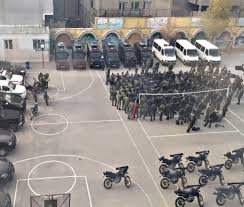
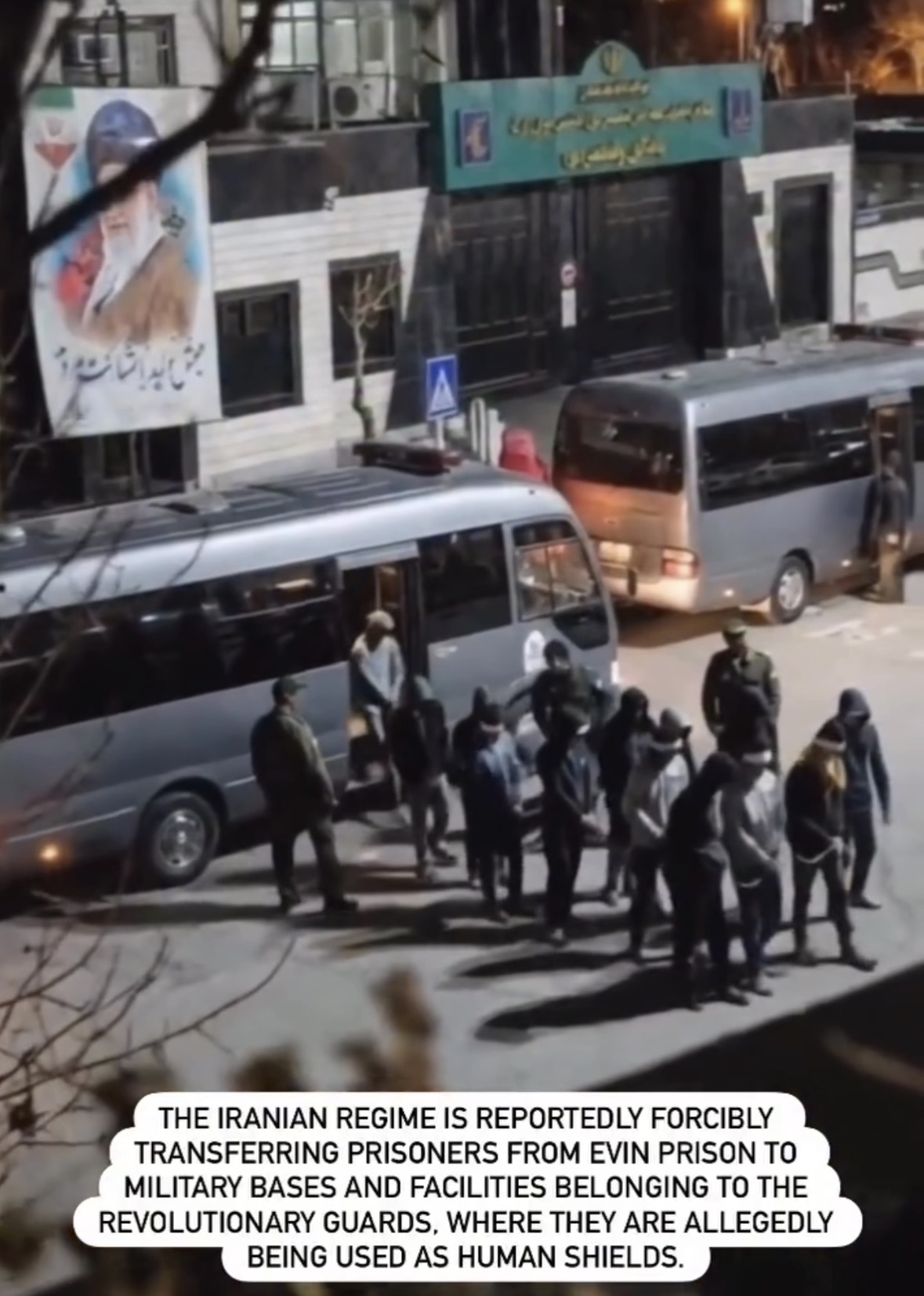
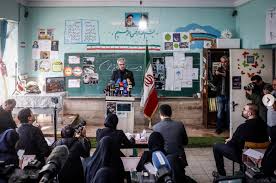
When those locations are later struck, the resulting casualties can be used for political messaging. Under international law, the placement of military assets within civilian areas constitutes the unlawful use of human shields.
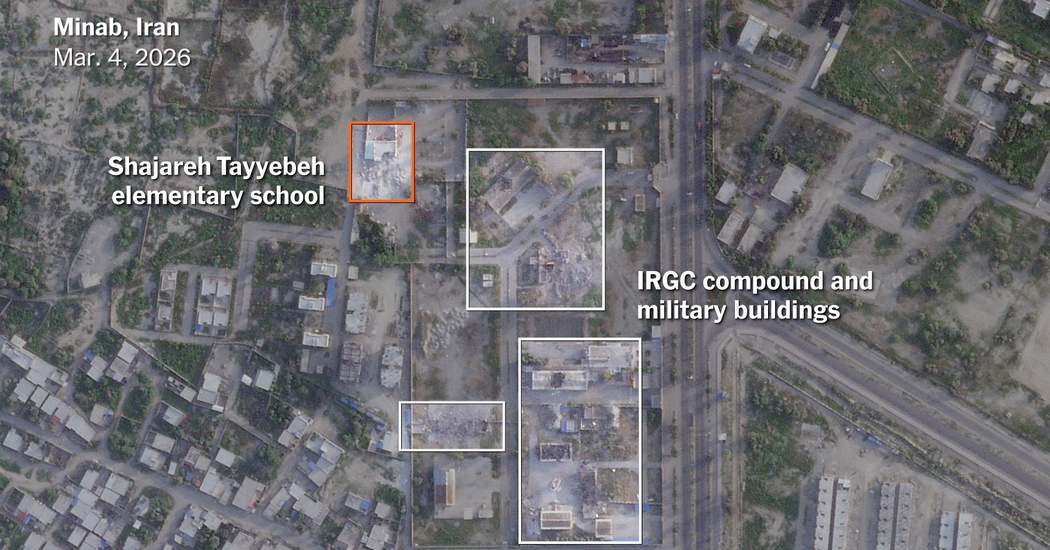
One example is a school in Minab located approximately 50 meters from an IRGC military base. Around 160 deaths were reported following a missile strike. Many Western observers did not question why it was located so close to a military installation and why the school remained open during wartime conditions.
Researchers also describe a pattern of narrative convergence in which actors across otherwise unrelated political communities repeat the same explanation because it aligns with assumptions already present within their own audiences.
The effect is not a single coordinated campaign but a reinforcing information environment in which the same narrative spreads across multiple networks at once.
Furthermore, the regime relies heavily on English-speaking commentators, diplomats, Iranian ambassadors, and officials who are frequently presented in international media as independent analysts or negotiators rather than as representatives of the state.
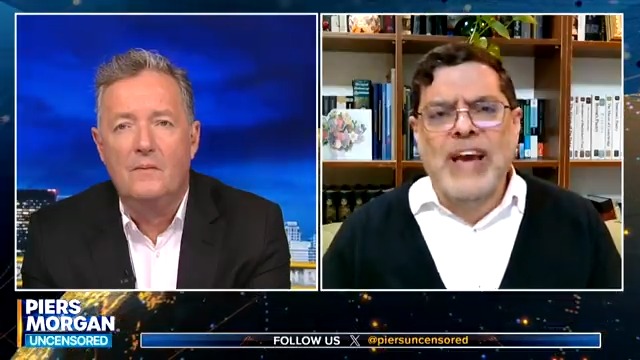
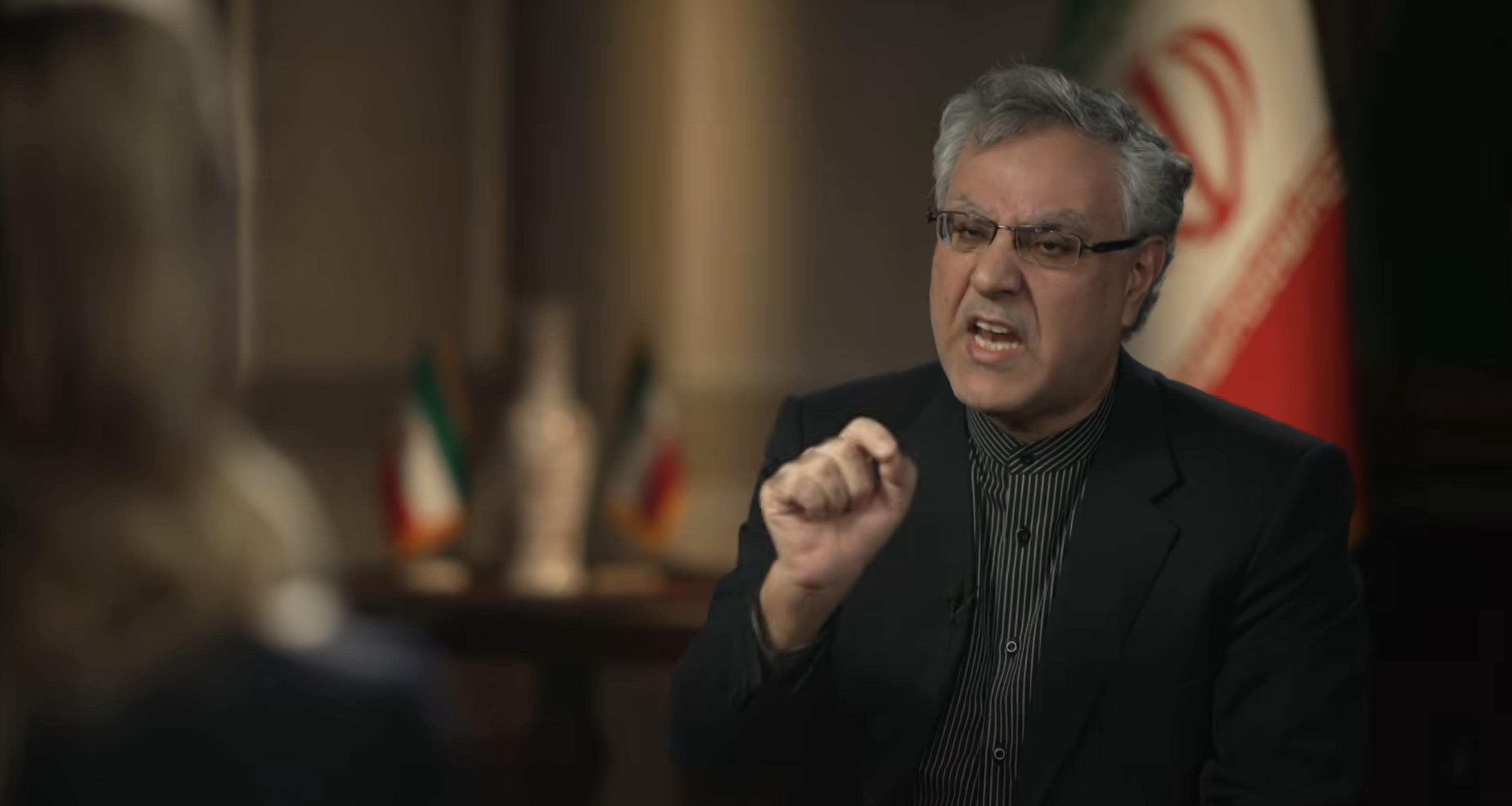
Seyed Mohammad Marandi, for example, is often introduced primarily as an academic expert without reference to his longstanding institutional alignment with the Islamic Republic or his family connection to Supreme Leader Ali Khamenei through his father, who served as Khamenei’s personal physician.
Similarly, Foreign Minister Abbas Araghchi has appeared repeatedly in international media, presenting official state positions while describing himself as the voice of the people, during a nationwide internet shutdown affecting millions of Iranians.
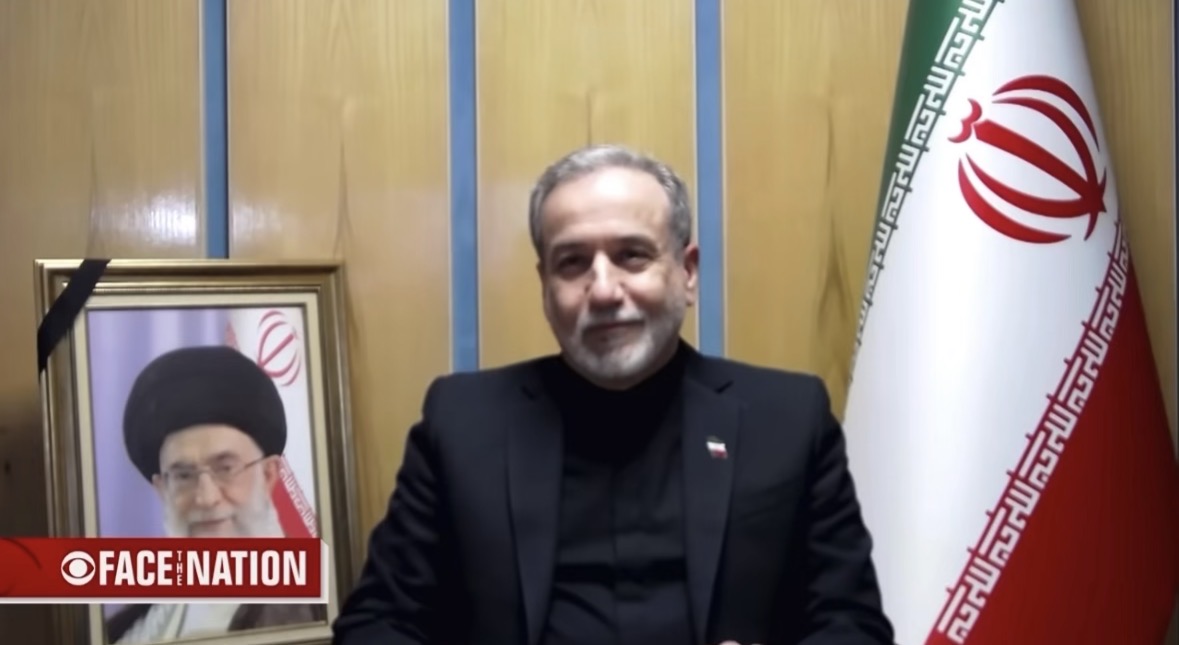
Together, appearances and statements like these create the impression of neutral commentary while allowing official state messaging to circulate internationally, even as ordinary Iranians remain unable to communicate with the outside world.
Narrative control also operates on the physical battlefield.
Another way the regime controls the media is by selectively inviting journalists and influencers to Iran. This comes with rules: Where journalists go, what they film, and how they operate. This is called access journalism, where you get inside information, but only if you play by the rules.
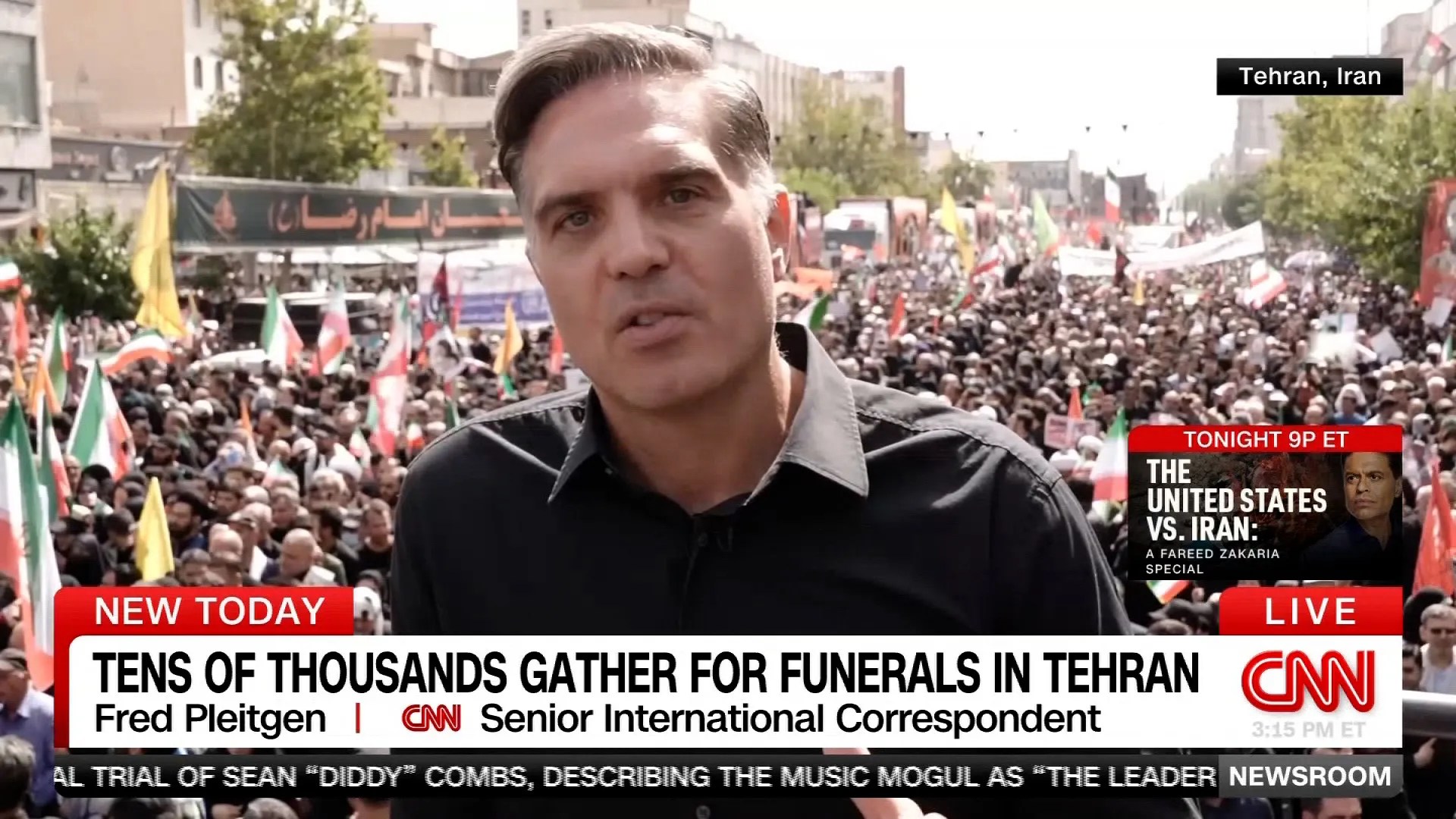
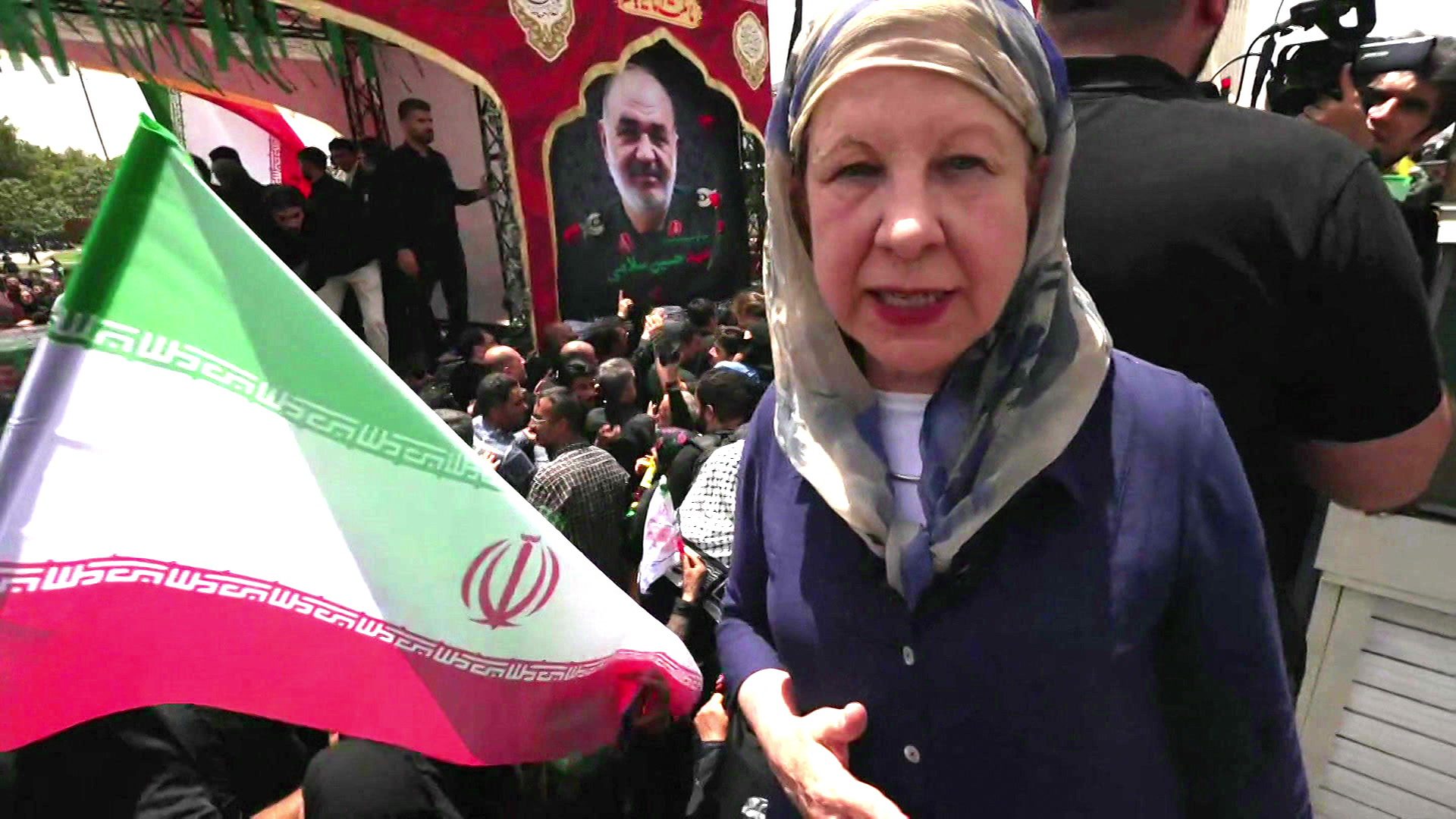
At the same time, Iranian journalists continue to face arrest, imprisonment, and even execution for reporting the truth.
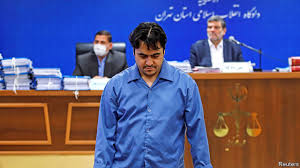
In 2019, he was lured to Iraq under false pretenses, abducted, and taken to Iran.
He was executed in December 2020 on the charge of “corruption on earth.”
By controlling communications during protests, restricting independent reporting, reframing domestic uprisings as foreign conspiracies, and managing which voices reach international audiences, the regime creates doubt. It does not need to persuade everyone. Just as in a criminal court case, once enough reasonable doubt is created, the perpetrator can walk free.
This is not censorship alone. It is information warfare. This is a regime that indoctrinates children, forcing them to chant “Death to America” and “Death to Israel,” presenting those countries as enemies. And now it claims self-defense, portraying itself as the victim of an illegal war.
Iranians recognize the Islamic Republic‘s false narrative and propaganda for what it is. The continuous attempt to manipulate Western perceptions.

