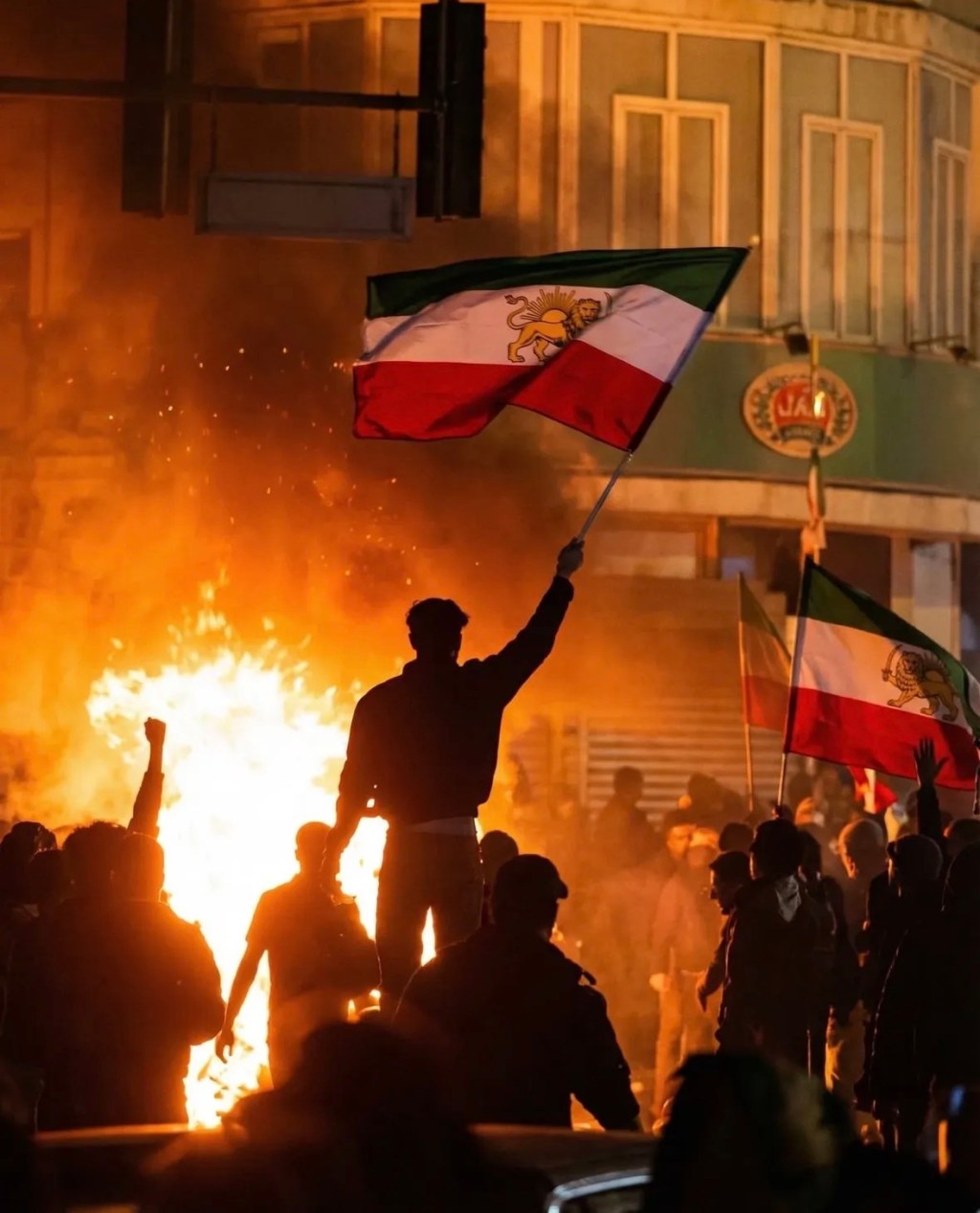
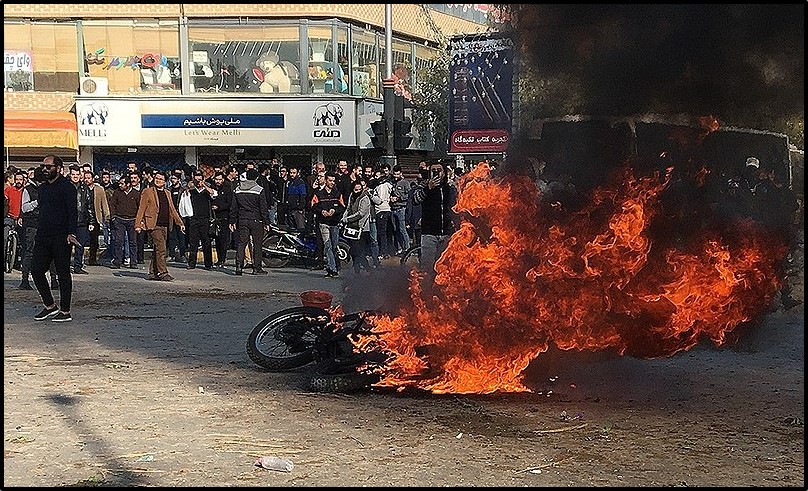
Nationwide protests on January 8 and 9 grew out of weeks of escalating unrest triggered by economic collapse, political repression, and repeated cycles of violence against civilians. By this stage, reform was no longer seen as possible.
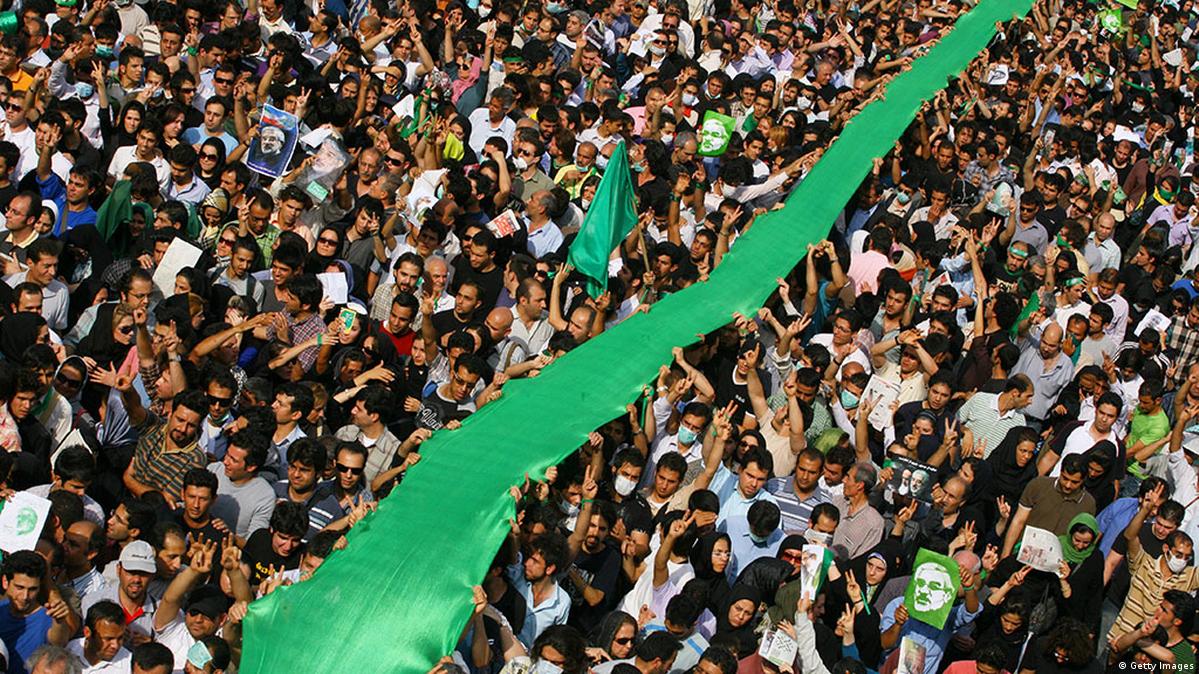
Millions took to the streets in coordinated demonstrations across major cities and smaller provincial centers, including university and high school students, workers, families, and children.
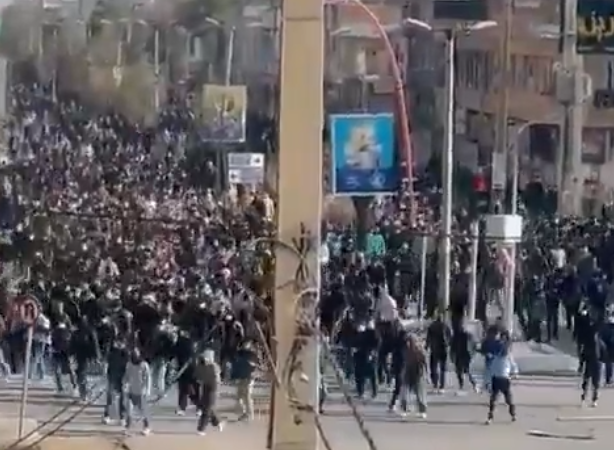
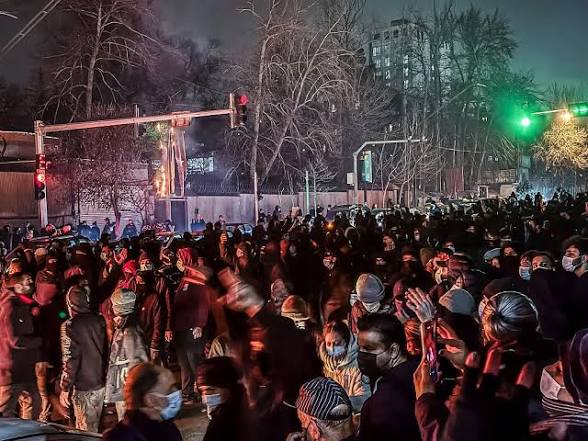
Alongside chants of “Death to the dictator,” and “This is the year of blood,” protesters also chanted “Javid Shah” (“Long live the King”), calling for the return of Reza Pahlavi, and appealed to Benjamin Netanyahu and Donald Trump for support.
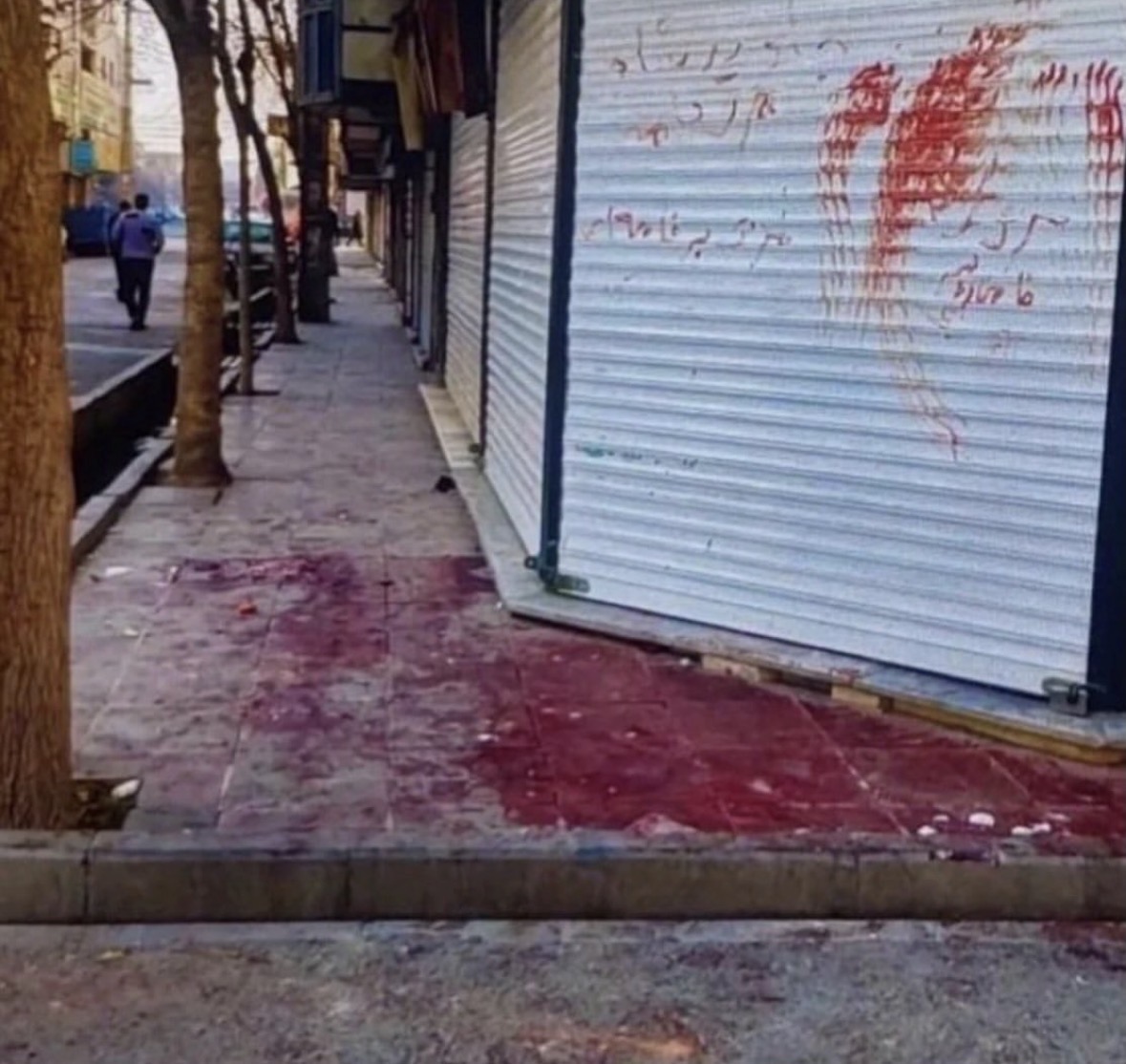
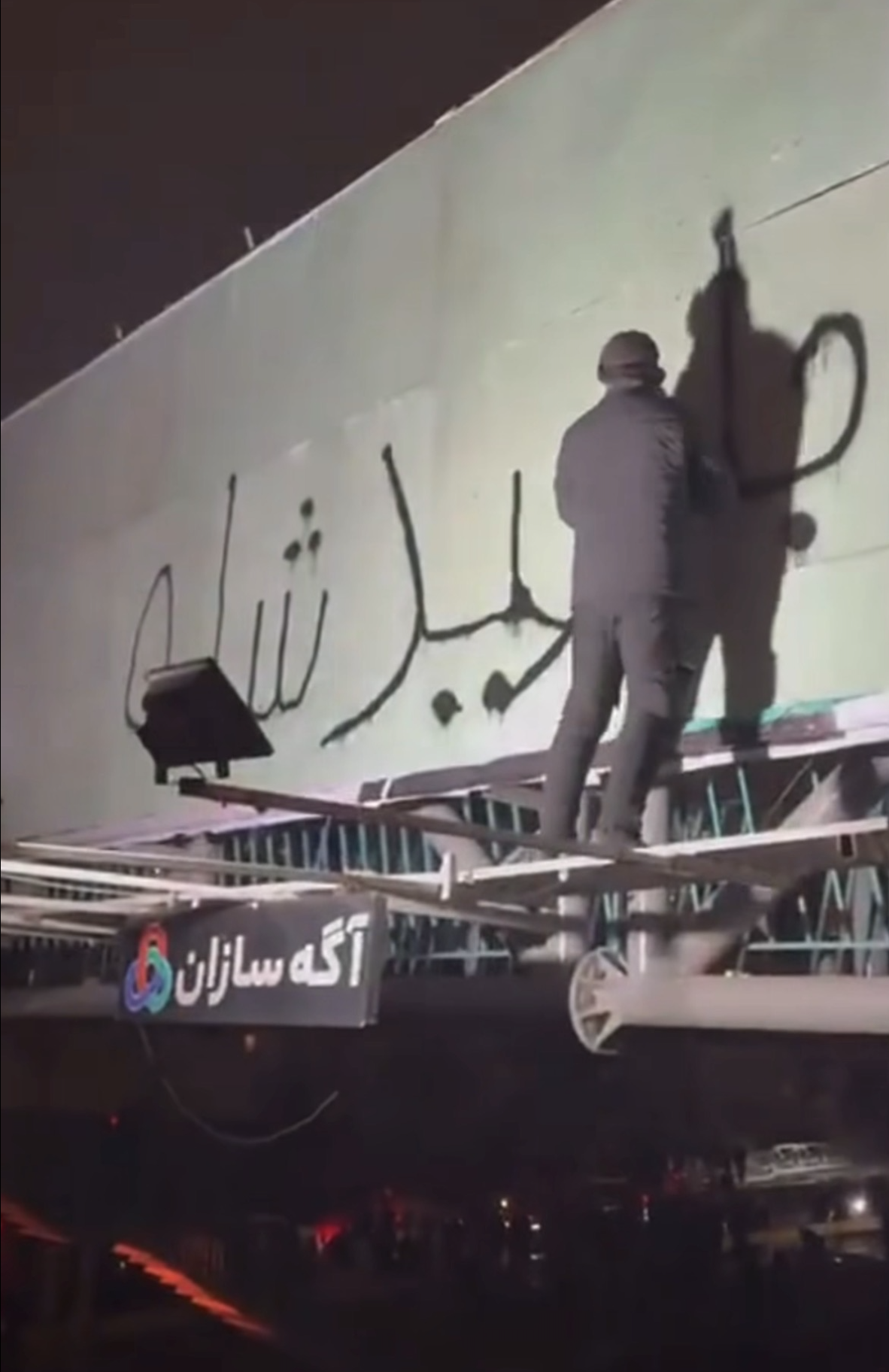
As in previous protest movements, the regime imposed a nationwide internet shutdown, severely restricting communication and preventing independent real-time reporting, while security forces responded with military-grade ammunition, tear gas, chemical agents, and mass arrests. Armed militias from neighboring countries, including Iraq and Afghanistan, were also deployed to aid in the suppression and killing of thousands of protesters.
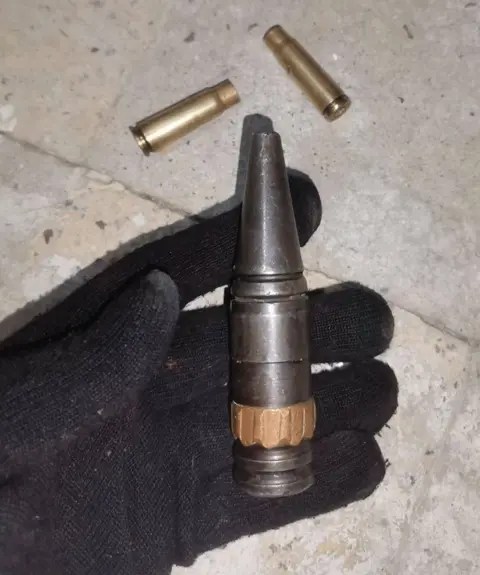
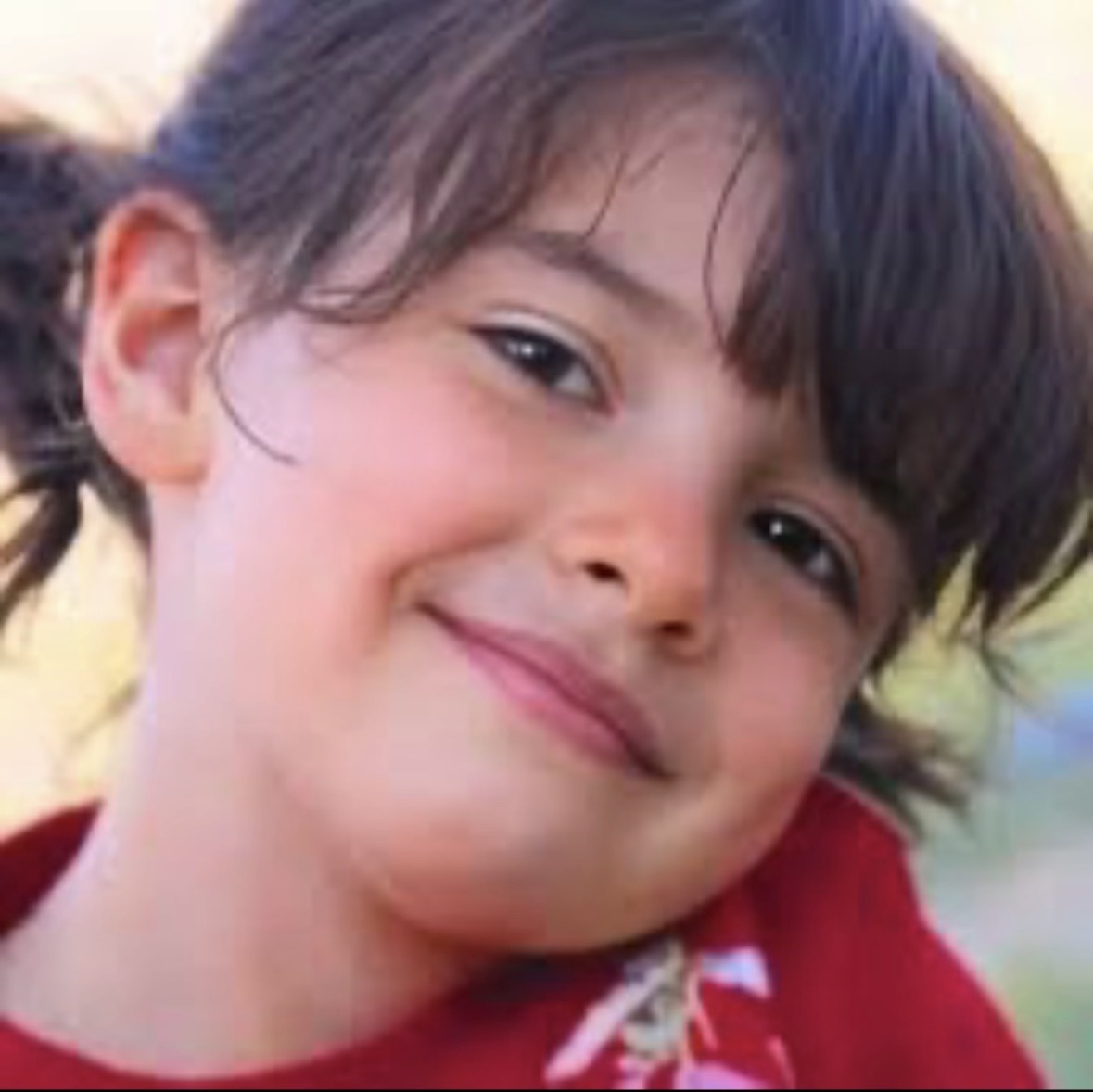
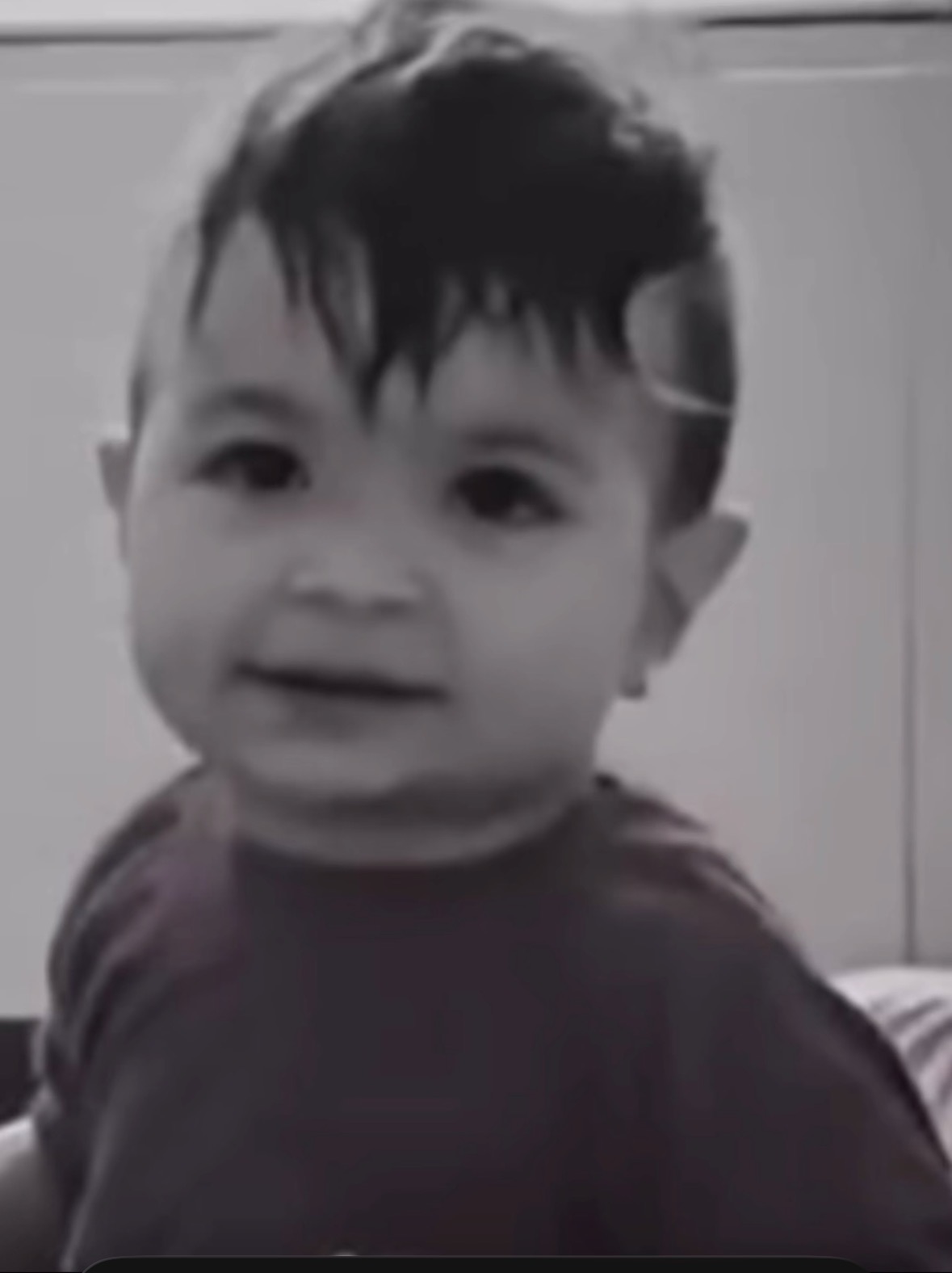
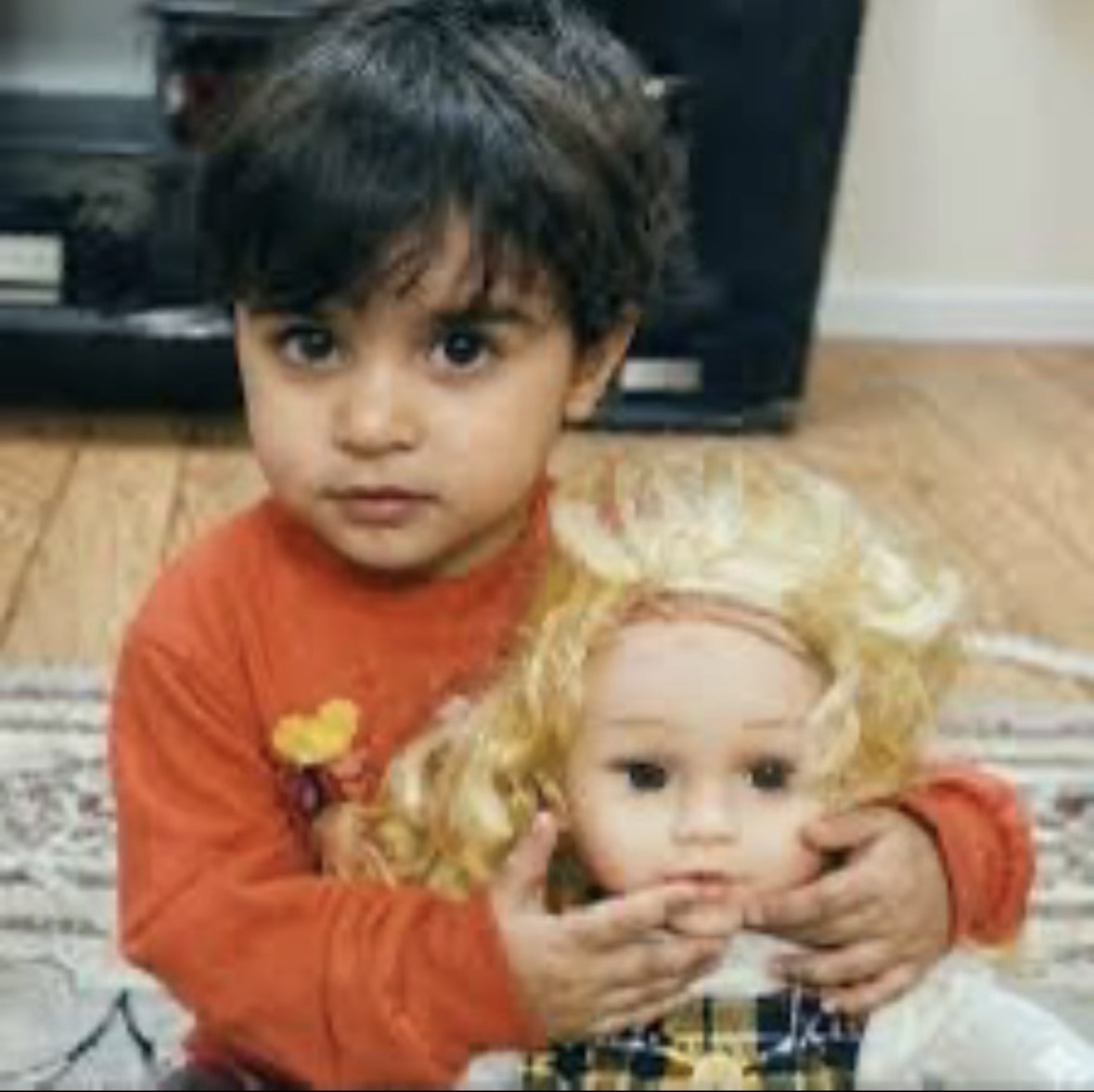
Medical testimony, survivor documentation, and incomplete body registration across multiple cities suggest the true death toll exceeded 40,000. More than 250 of the victims were children, some as young as toddlers and infants. https://www.iranintl.com/en/202601258745
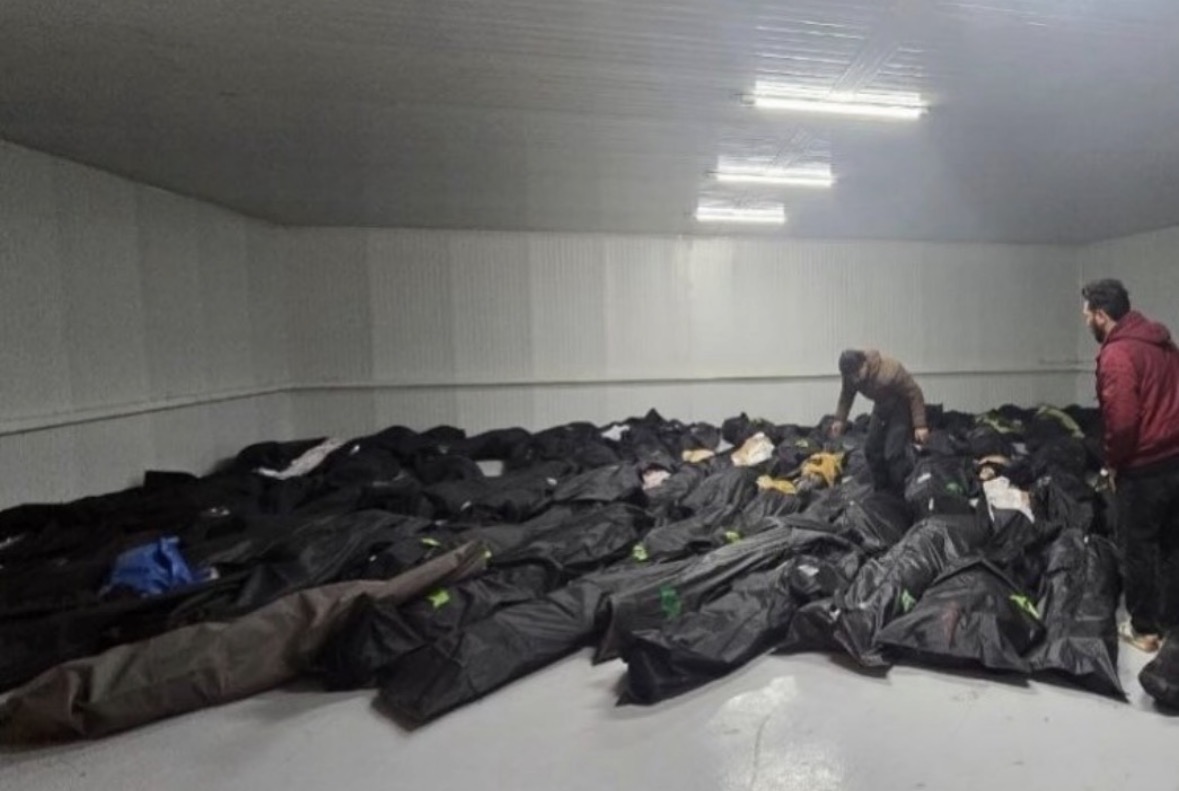
Morgues ran out of space and body bags.
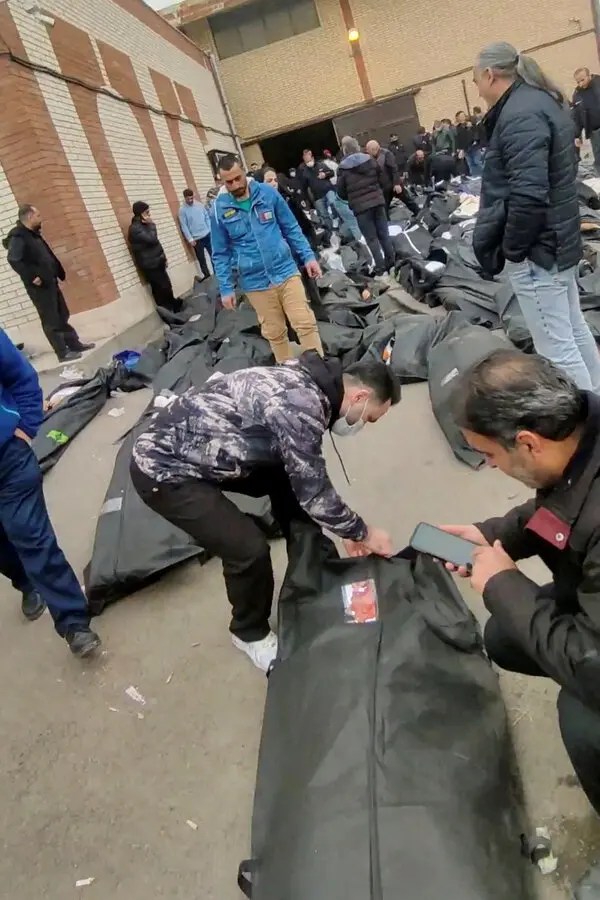
Images and videos circulated by survivors and witnesses showed large numbers of bodies collected in streets, hospitals, and temporary holding areas across several cities.
In many cases, authorities then charged families for the cost of the bullets used to kill their loved ones, and some relatives were arrested for mourning or attempting to hold funeral ceremonies.
Families of detainees were also threatened with lethal consequences if they spoke publicly about the killings or criticized the regime.
Thousands more were injured. Security forces deliberately aimed at heads and faces, leaving many permanently blinded. Many children also lost parents during the crackdown.
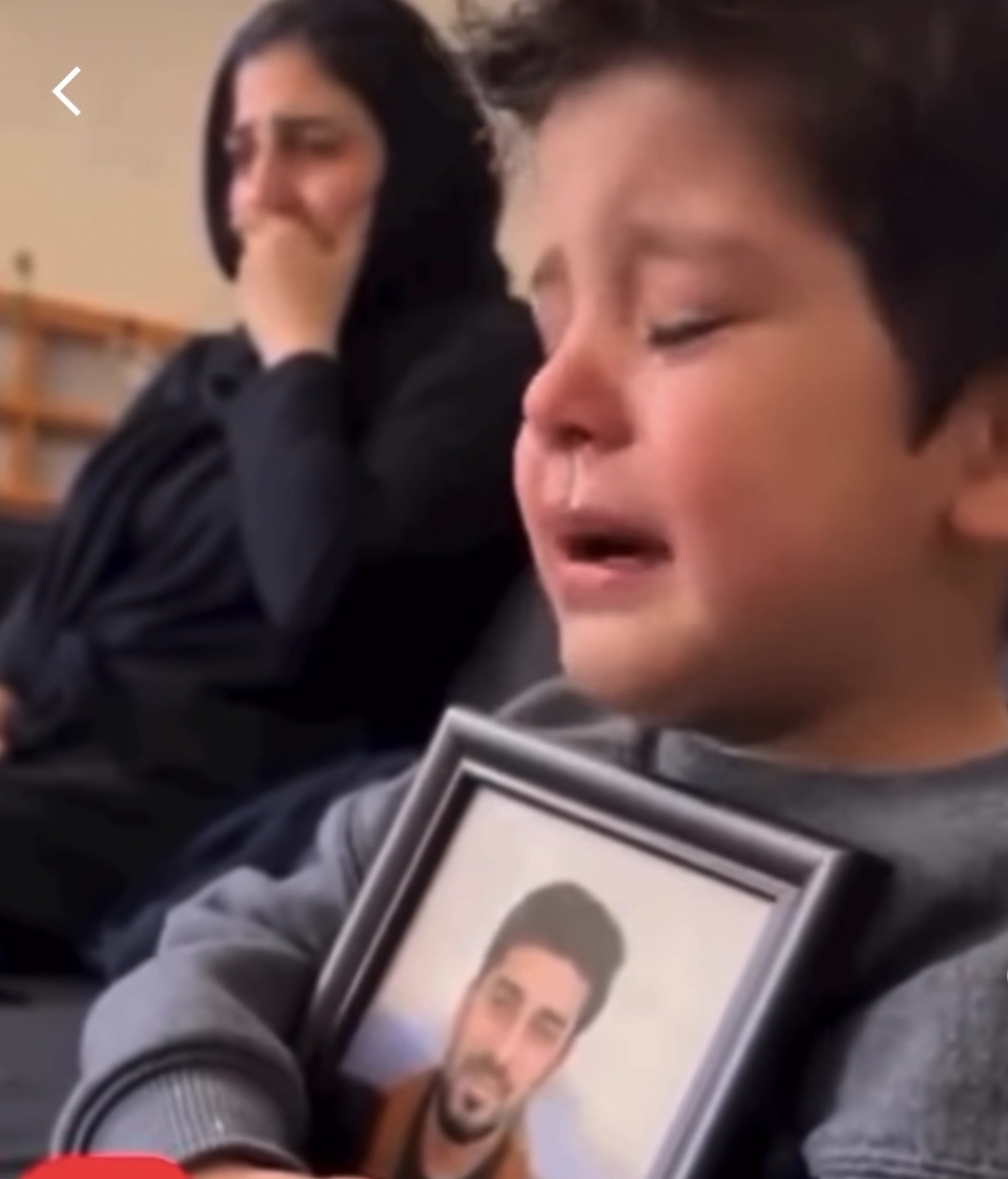
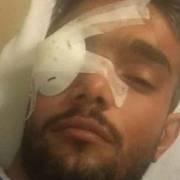
Many who were imprisoned have been charged with Moharabeh (waging war against God). Several have already been executed by public hanging. Others are at imminent risk.
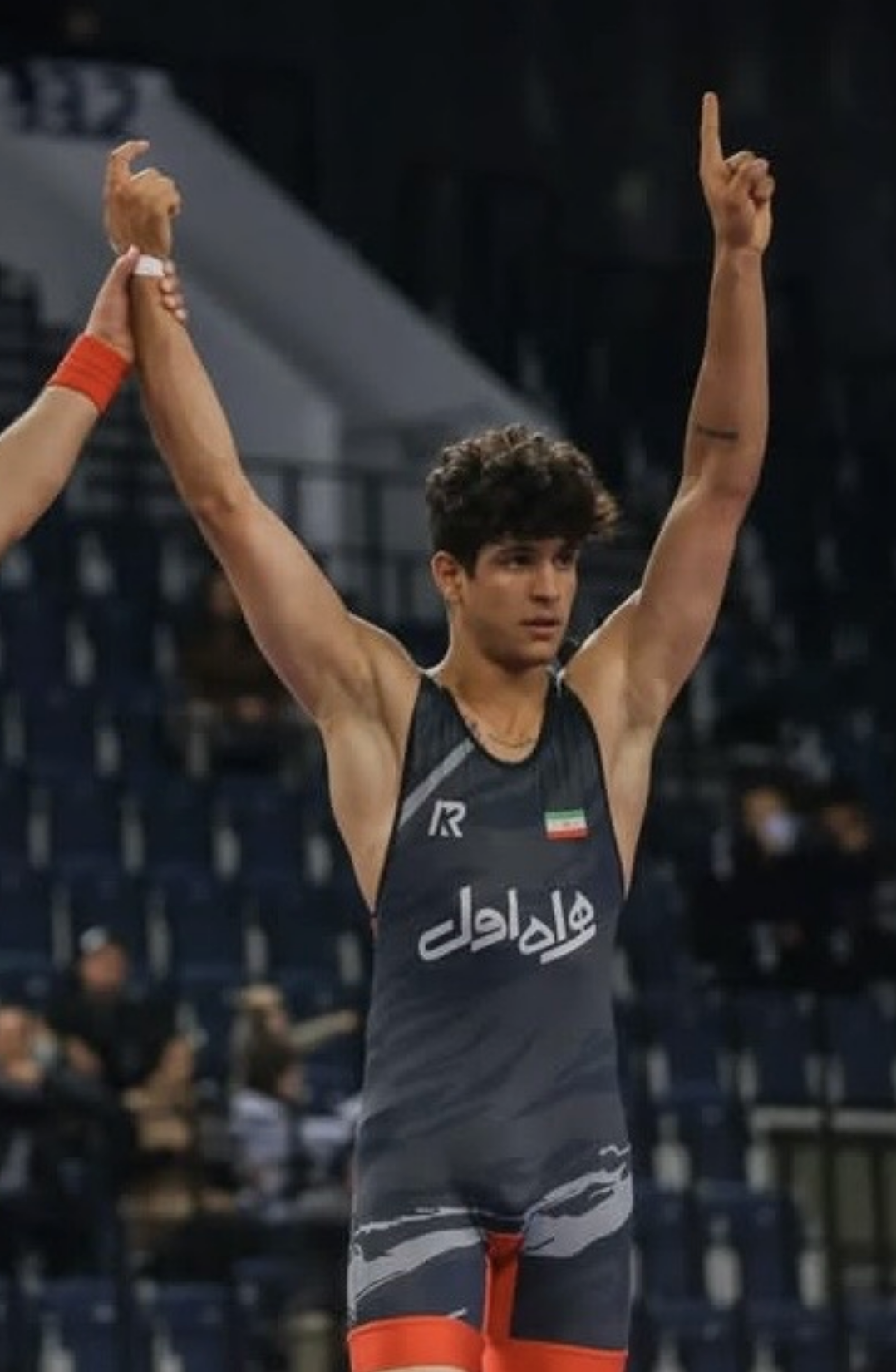
EXECUTED
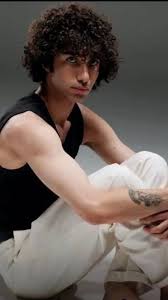
EXECUTED
A full list of those executed and those at imminent risk can be found at:
www.humaninchain.com
Security forces also entered hospitals where wounded protesters were being treated. They detained medical personnel and removed injured patients from care. Medical staff who attempted to assist protesters reported arrests, threats, and violence during the crackdown.
Two nurses who were arrested for treating wounded protesters were subjected to repeated gang rape in custody by security forces. According to sources cited by Iran International, the injuries were so severe that one nurse’s uterus was completely removed, and another suffered extensive uterine tearing requiring multiple surgeries.
Source: https://www.iranintl.com/en/202603102323
Iranians have faced such brutality many times before.
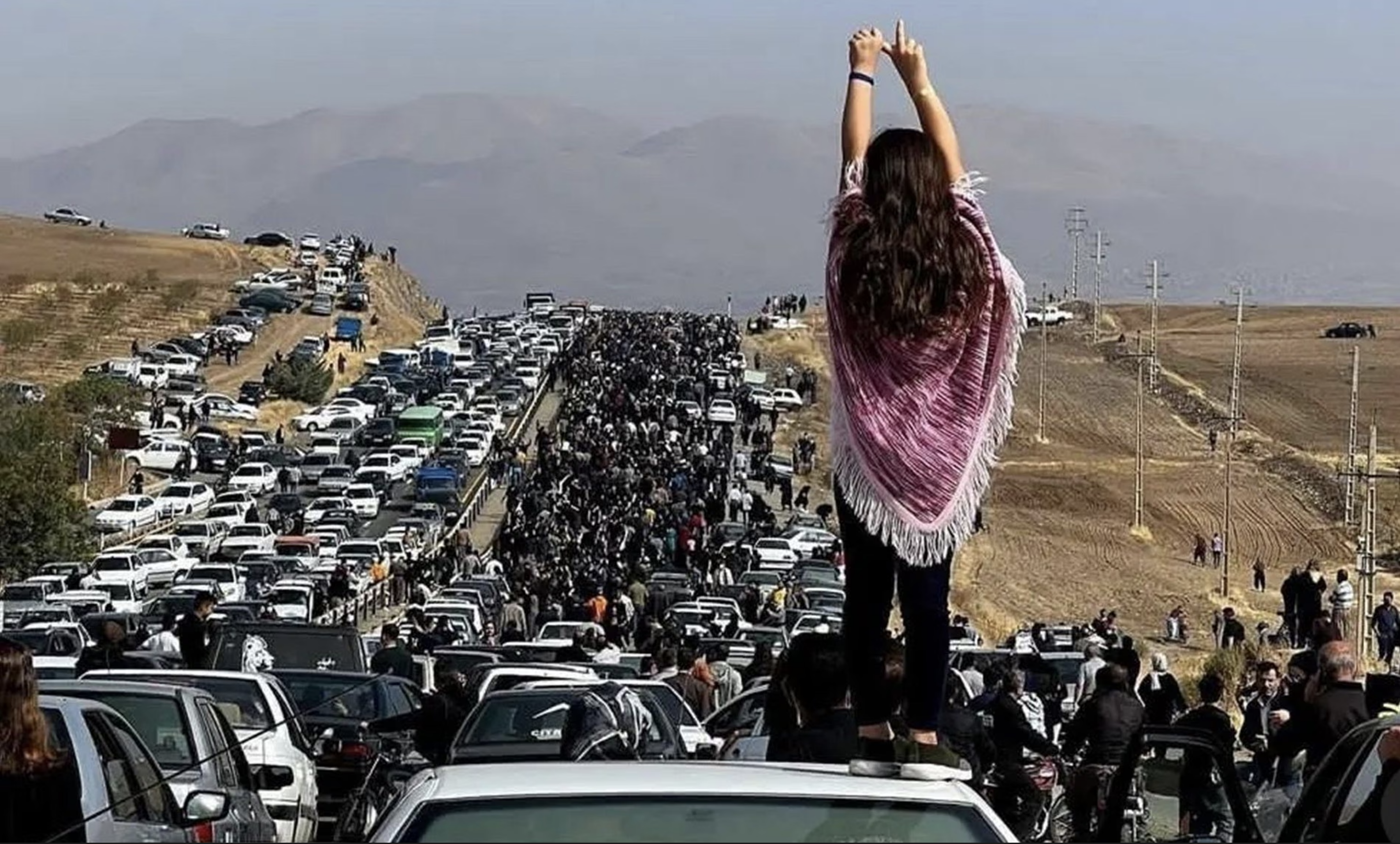
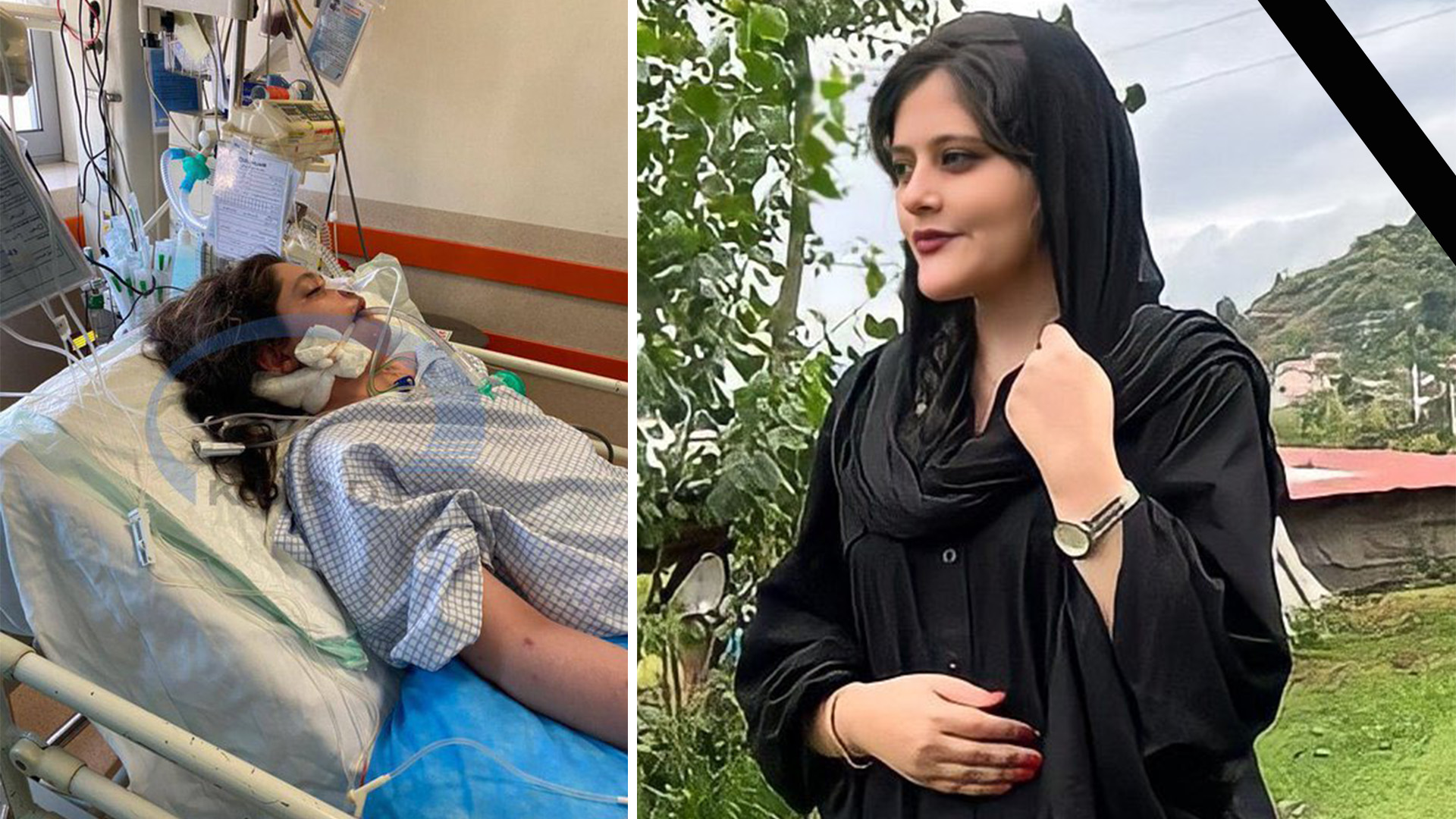
Following the death of Mahsa Amini after her arrest for wearing an “improper hijab” in 2022, demonstrations challenged compulsory hijab laws, gender repression, and the ideological authority of the Islamic Republic itself. Security forces responded with widespread arrests and lethal force.
“The regime’s response to public demonstrations follows a pattern documented for decades by human rights organizations. Yet it continues to rely on the same cycle: kill, deflect, and blame.”

