
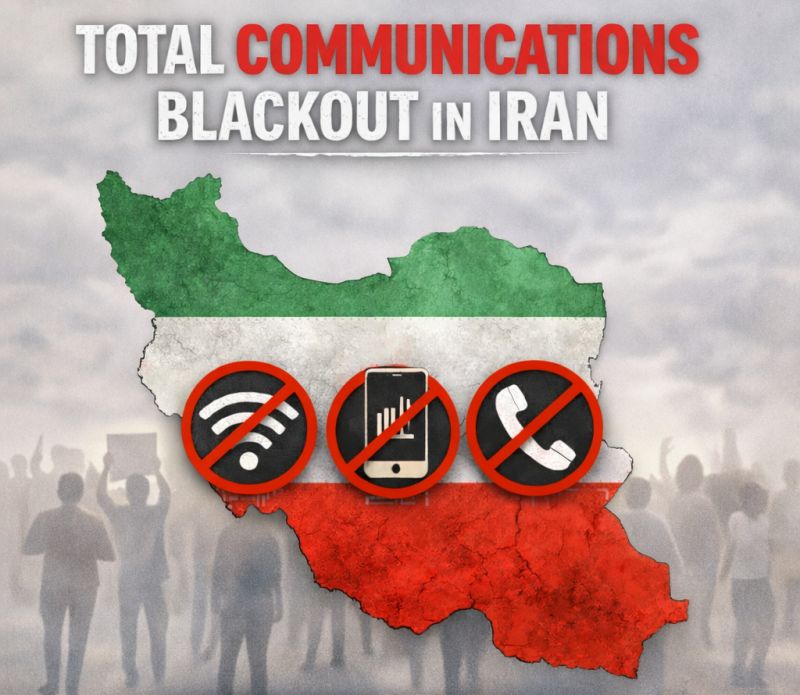
As with previous major uprisings, Iran has been under a nationwide internet blackout since the strikes began. As a result, roughly 93 million people have been cut off from the outside world.

Foreign Minister Abbas Araghchi claims that the blackout is intended to “protect civilians during war”, but in practice, its primary function is control.
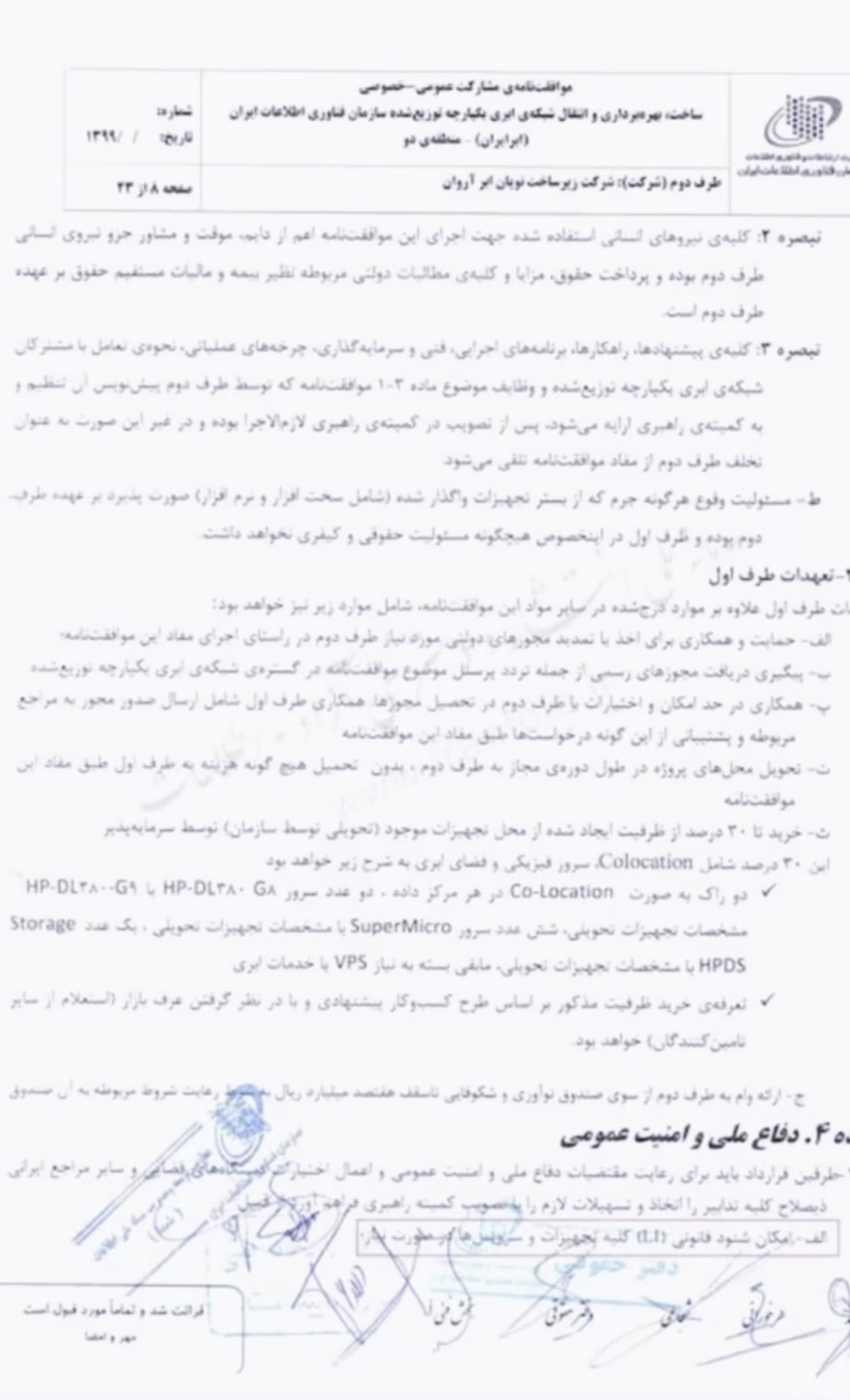
This document explicitly states that the project must comply with national defense and public security requirements, which shows that Iran’s domestic cloud infrastructure was built as part of the regime’s security system, meaning nationwide shutdowns are not emergency measures but a planned tool of control.

Internet shutdowns also block people from receiving warnings during attacks, increasing civilian casualties. The regime then uses those deaths as evidence of foreign aggression rather than the result of its own communications blackout.
The most recent example occurred on April 7, 2026. Iranian officials urged people to bring their children to bridges, power plants, and other infrastructure to form human chains, but did not tell them that it coincided with Donald Trump’s infrastructure-strike deadline, exposing them to potential strikes.

Silencing Iranian voices inside the country, shaping how the conflict is understood abroad, and deliberately putting civilian lives at risk are part of how the regime’s propaganda operates.

