
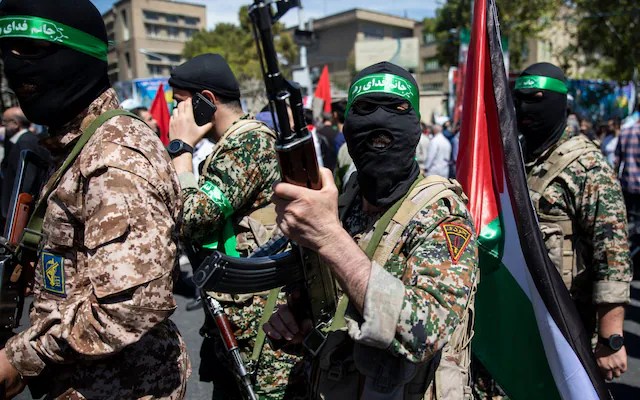
The Islamic Revolutionary Guard Corps (IRGC), known as Sepah-e Pasdaran in Iran, is not a conventional military force. Established in 1979 after the revolution, it was designed as a parallel military, political, intelligence, and economic institution to protect the Islamic Republic and enforce the state’s ideological foundations. It reports directly to the Supreme Leader.
Unlike Iran’s regular army, which is responsible for defending the country’s borders, the IRGC defends the regime and preserves the revolutionary system. Over time, it expanded far beyond security functions into construction, telecommunications, energy infrastructure, and major state contracts, making it one of the most powerful political, economic, and security institutions
Its foreign operations arm, the Quds Force, coordinates proxy groups across the Middle East. Because of the militant activities and regional proxy warfare, the IRGC has been designated a terrorist organization by the United States, Canada, Bahrain, and Saudi Arabia.
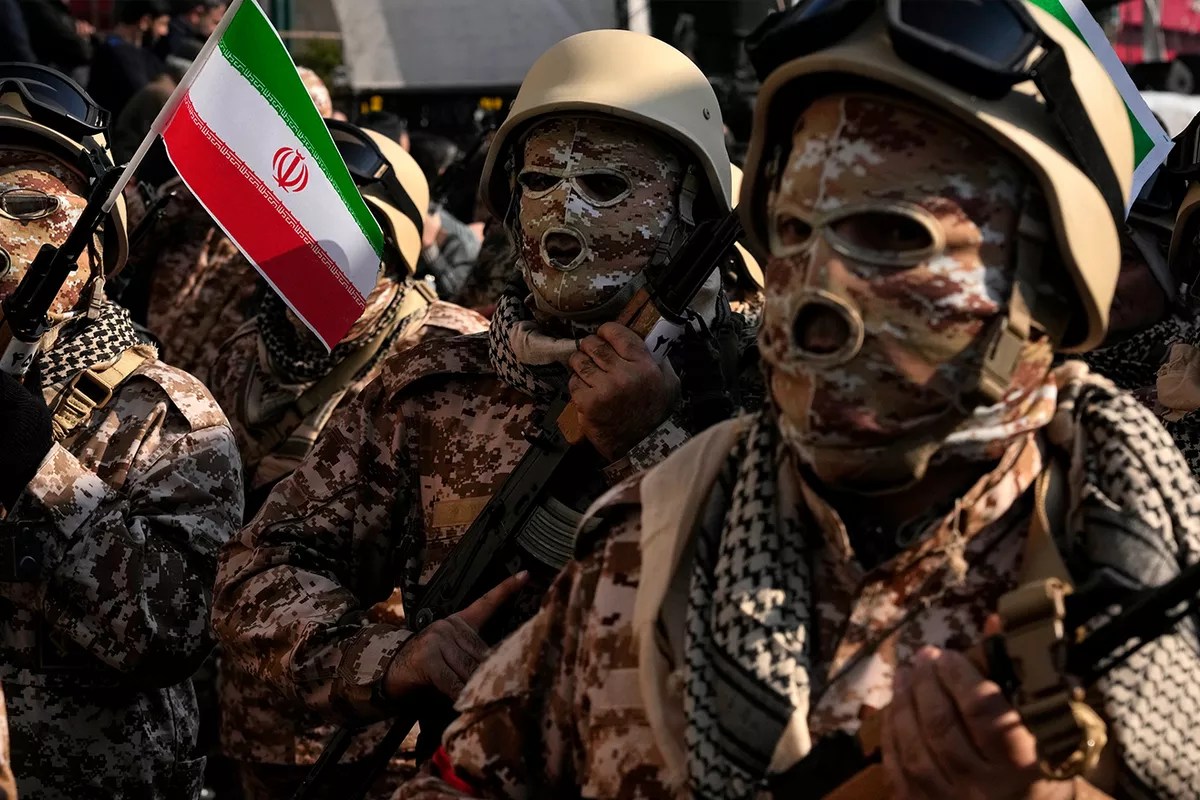
IRGC-linked forces have been deployed during every major protest wave in the history of the Islamic Republic.
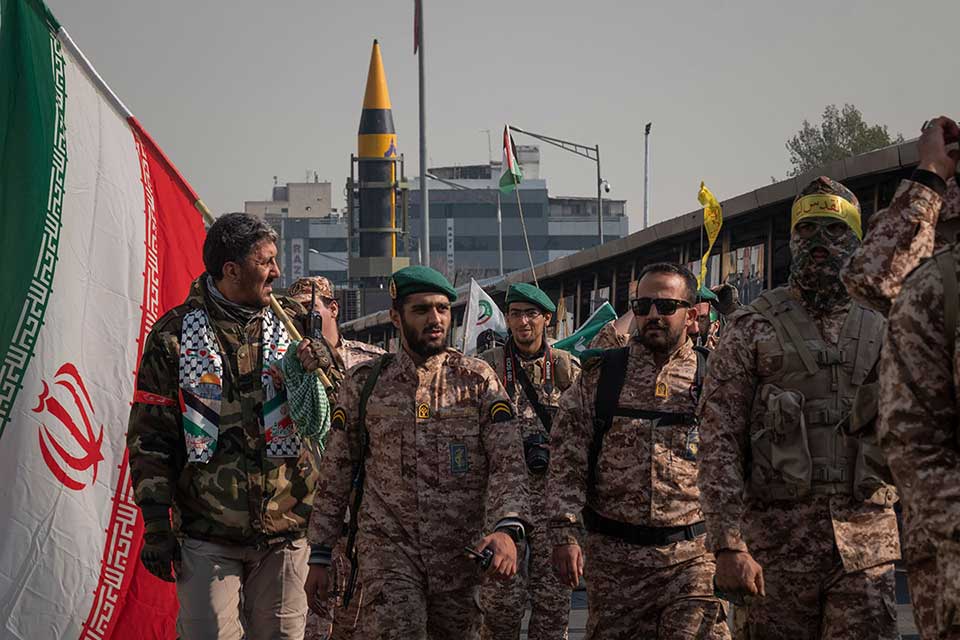
The IRGC operates alongside the national police and the regular armed forces but directly commands the Basij. Together, they form the core enforcement structure of the Islamic Republic.
It runs its own intelligence organization, monitors political dissent, and plays a leading role in identifying activists, journalists, students, and protest organizers. During periods of unrest, it coordinates repression alongside police and Basij units and helps restore control during nationwide demonstrations. It is also closely involved in interrogation systems used against detainees and supports the wider ideological enforcement structure that includes morality policing institutions.
THE BASIJ:
The Basij is a paramilitary volunteer force operating under the command of the IRGC. It functions as a nationwide auxiliary structure embedded across society through schools, universities, workplaces, and neighborhood networks.
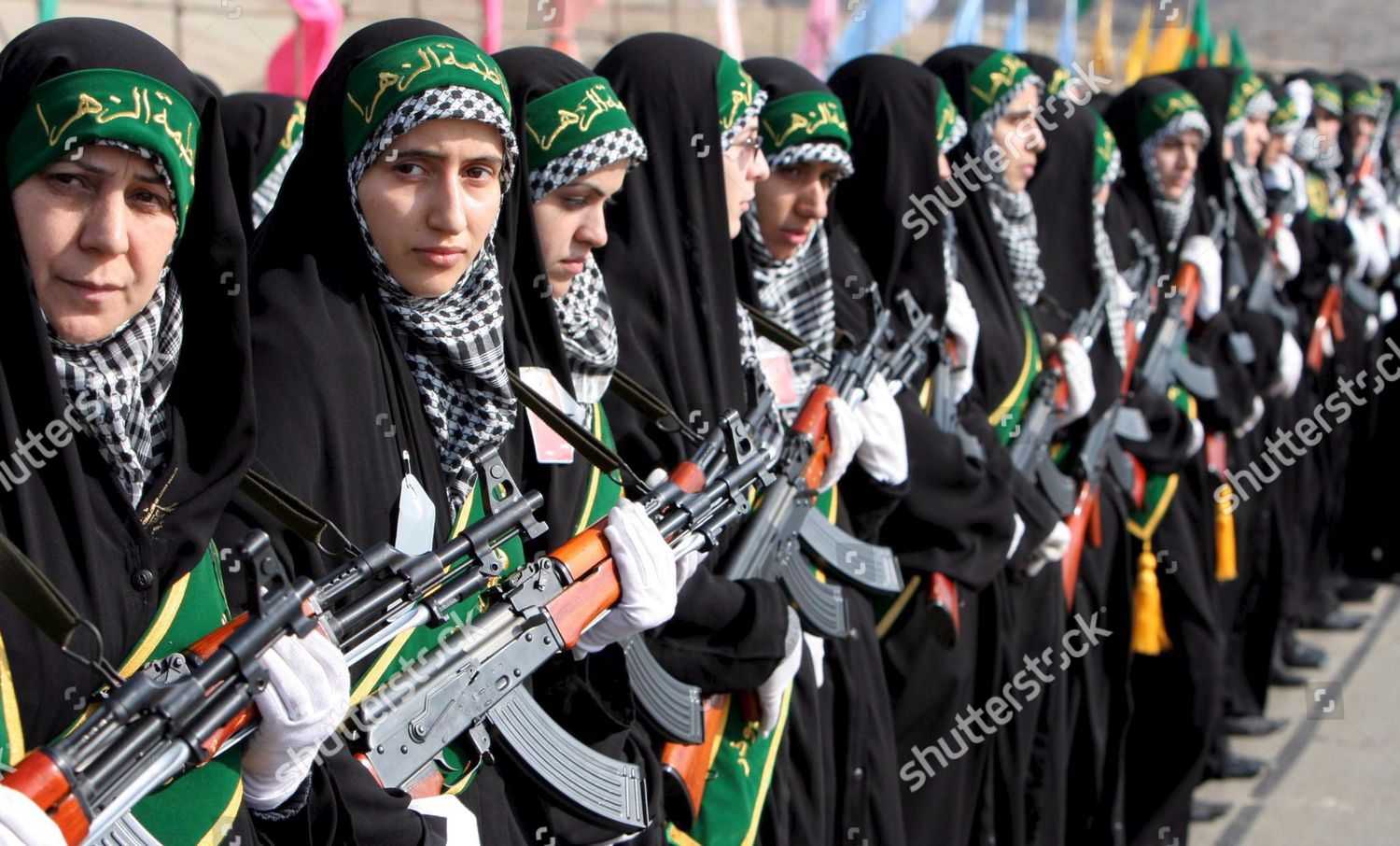
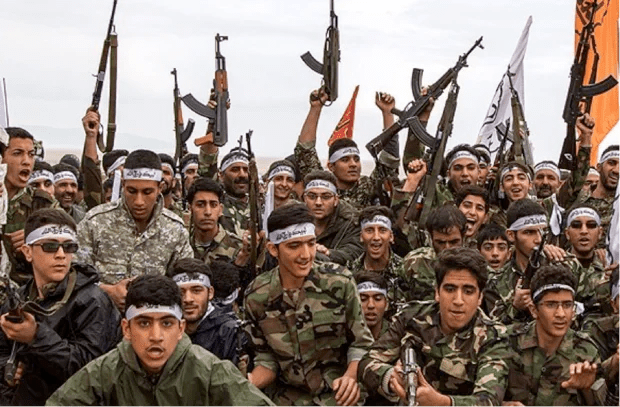
During protests, Basij members are used for street control, surveillance, intimidation, and arrests. Children and teenagers have also been recruited into Basij units as part of the organization’s broader social presence. https://home.treasury.gov/news/press-releases/sm524
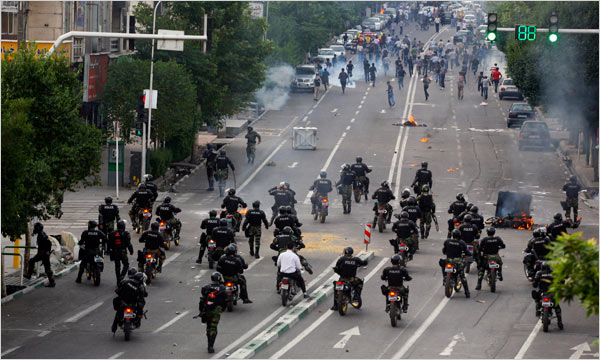
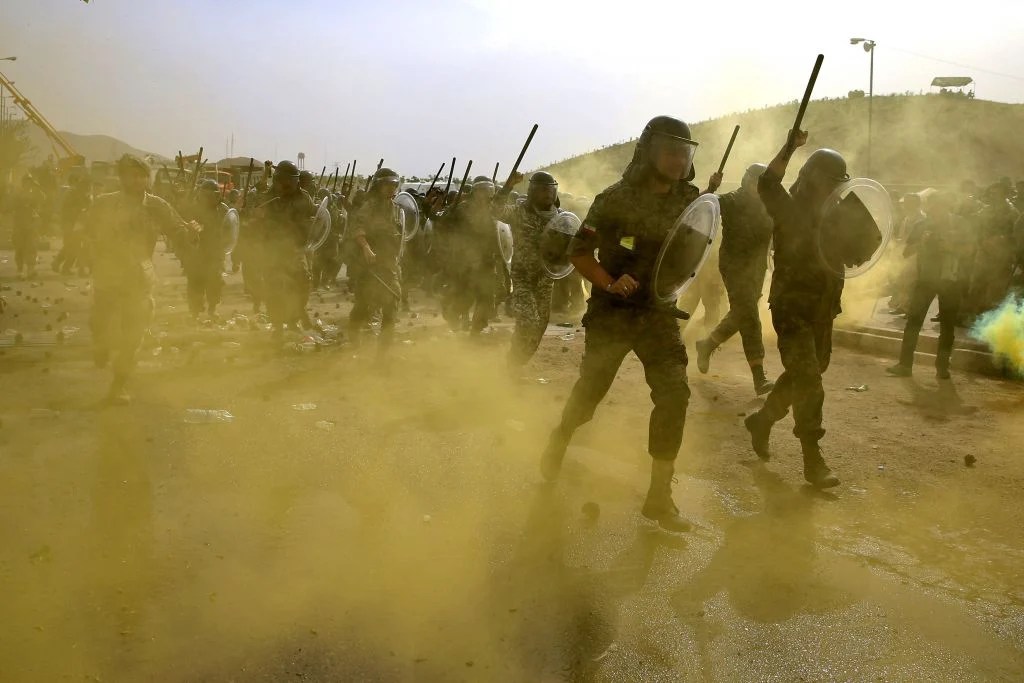
During the January protests, foreign militia units from Iraq, Afghanistan, and Pakistan were brought into Iran to assist the IRGC and Basij in suppressing demonstrators.
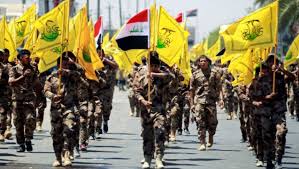
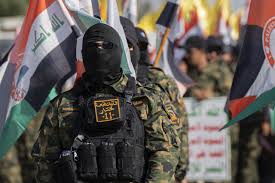
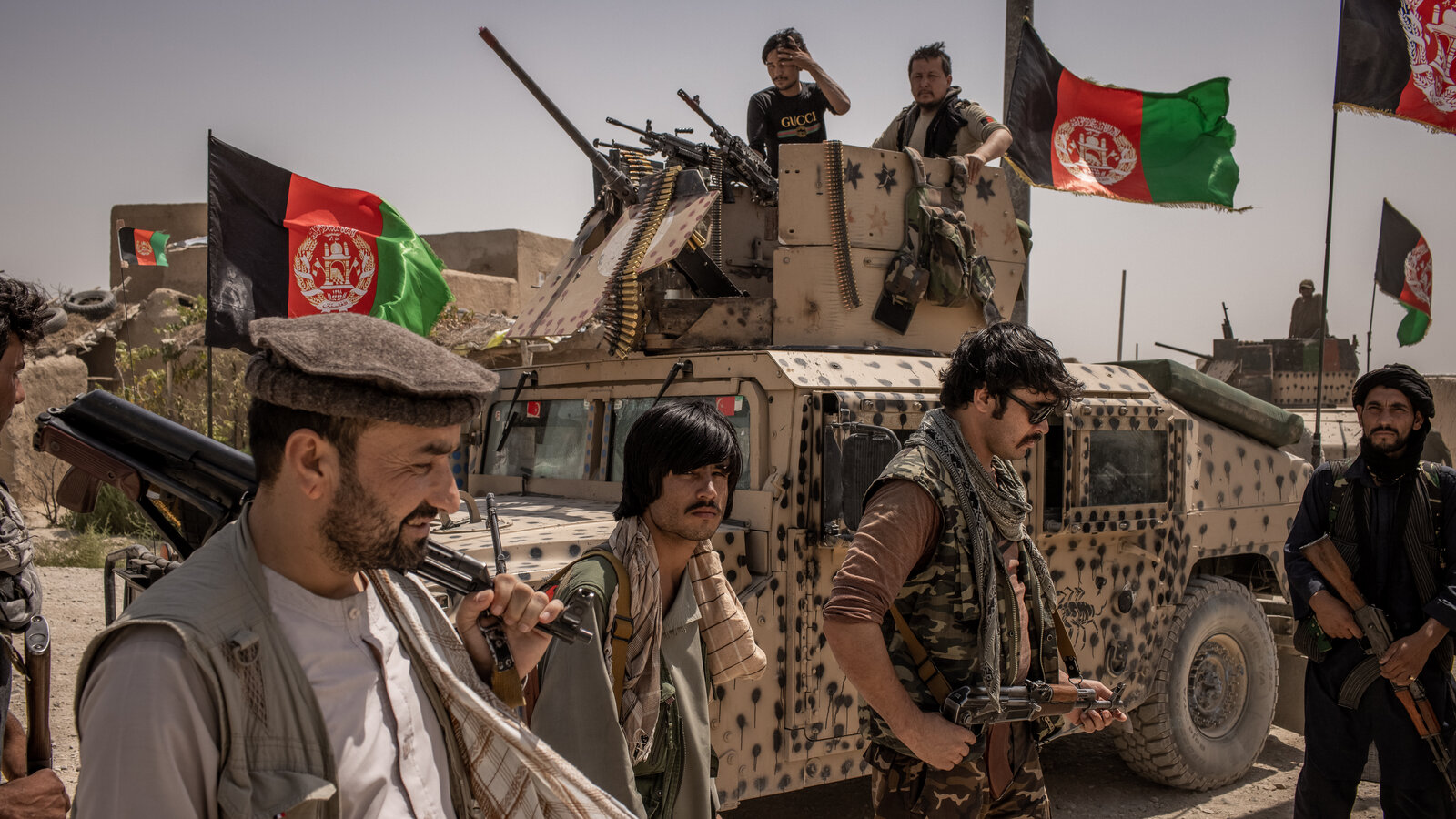
More recent reporting and circulating video evidence suggest that additional foreign militia forces may again be entering the country in anticipation of further nationwide unrest. Many observers believe these deployments are intended to prepare for a potential escalation if large-scale protests resume during the current conflict.
https://www.iranintl.com/en/202603303830

