
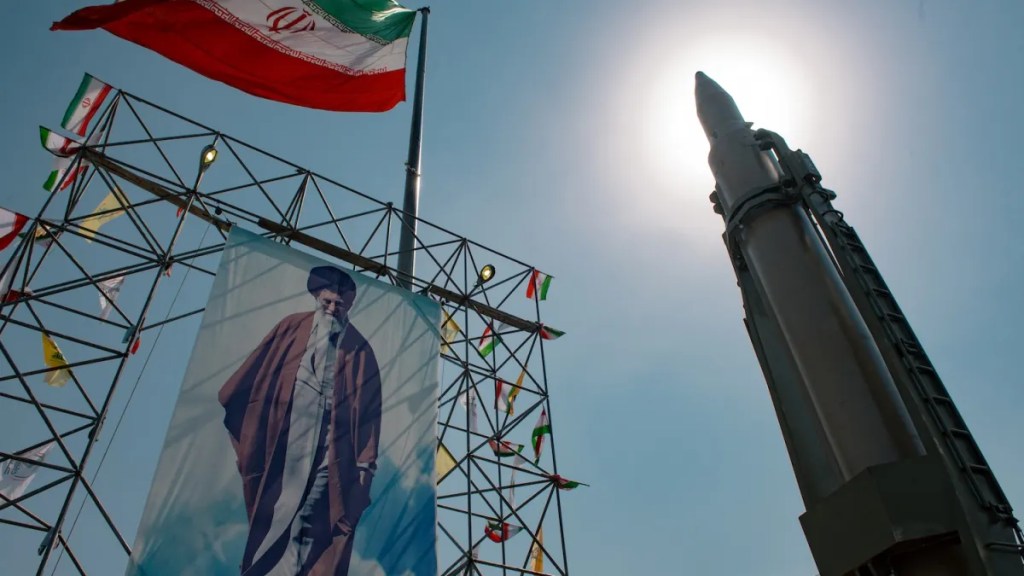
The IRGC controls Iran’s ballistic missile program, strategic weapons development infrastructure, regional military logistics, and much of its drone warfare capability.
It plays a central role in:
- strategic weapons development.
- Missile deployment and launch readiness.
- Regional military logistics.
- Covert overseas operations.
MISSILE CITIES:
Iran has constructed a large network of underground “missile cities” across the country, covering 500 miles (800km) of land.
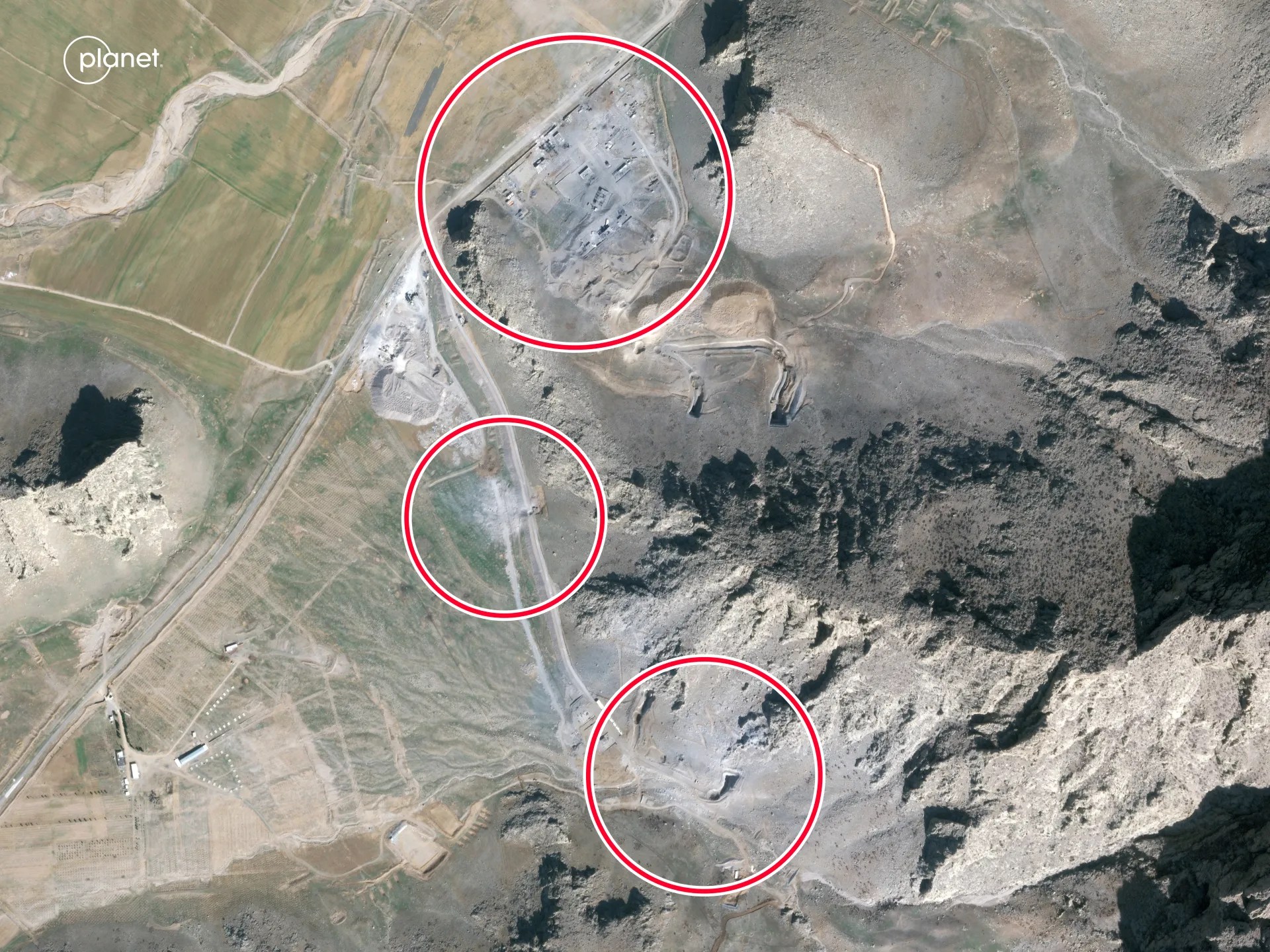
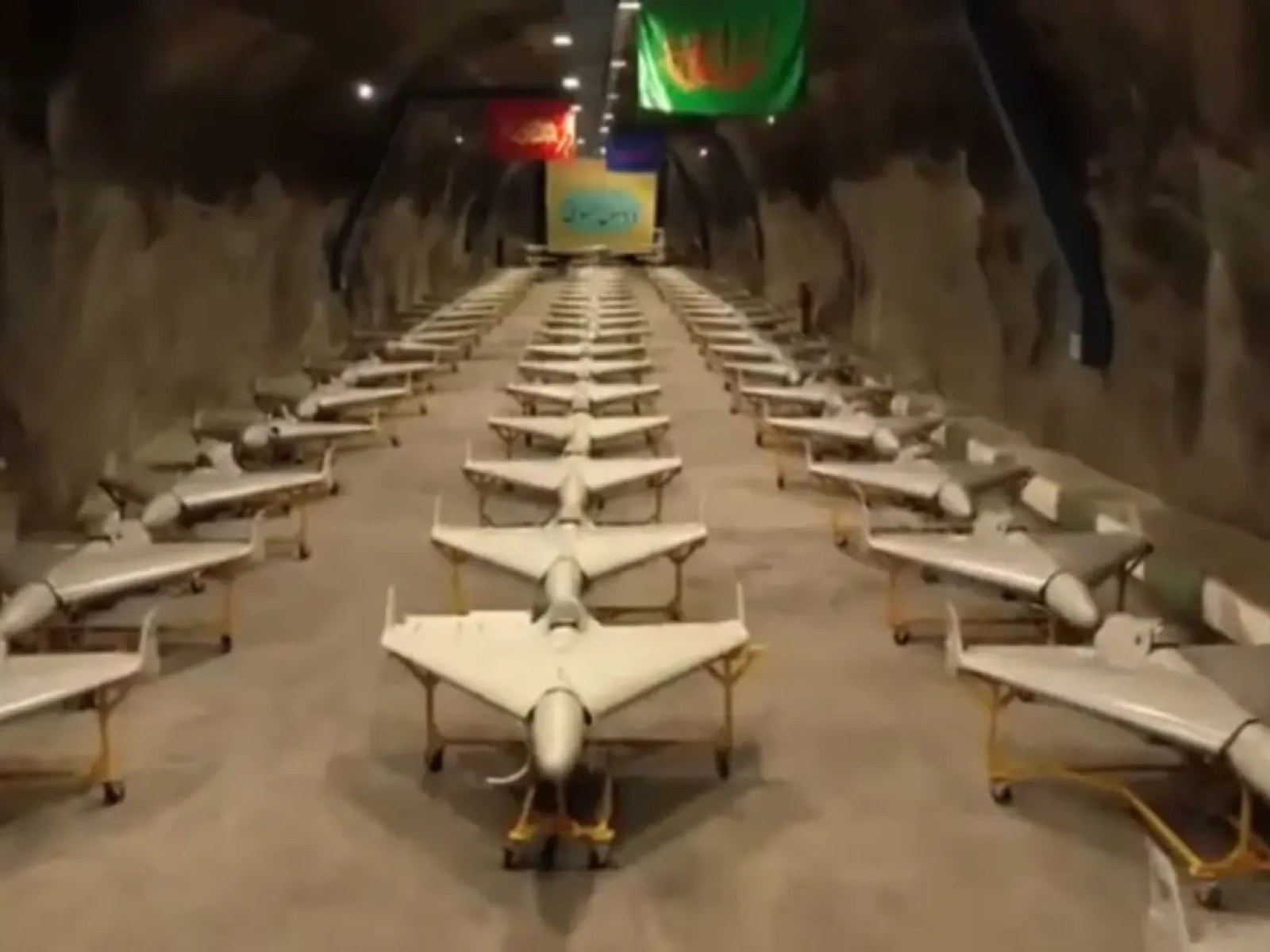
These fortified tunnel complexes store ballistic missiles and launch systems designed to survive airstrikes and preserve retaliation capability even if surface facilities are destroyed.
Their expansion has required significant engineering resources at the same time that large parts of the country face water shortages and economic hardship.
Through these systems, the IRGC maintains one of the largest missile arsenals in the Middle East.
URANIUM ENRICHMENT:
Civilian nuclear energy programs typically operate below 5% enrichment.
The Iranian regime’s uranium has been reported to have been enriched to 60%.
Reaching the 60% level represents the most technically difficult stage of uranium enrichment. Once this level is reached, the additional work required to reach weapons-grade material, generally considered to be around 90%, is significantly reduced.
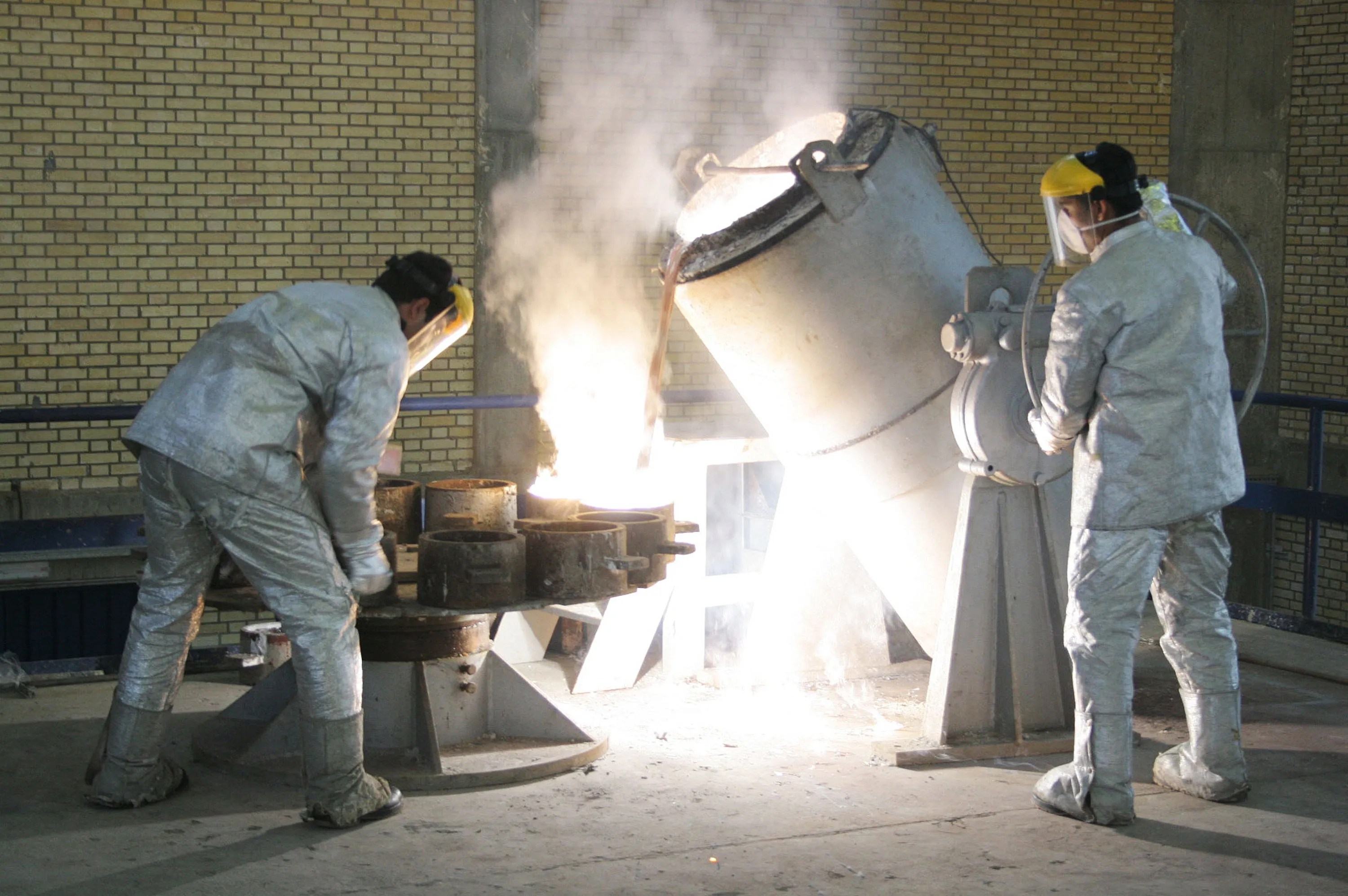
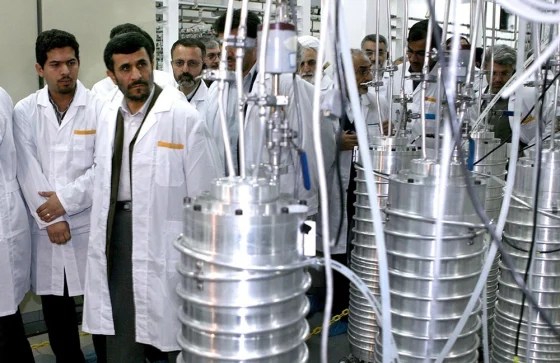
For this reason, enrichment at 60% places a country within potential “breakout” distance of weapons-grade nuclear capability.
The Iranian government has described its enrichment activities as reversible. However, the machines, facilities, and technical systems needed to enrich uranium to 60% already exist and cannot be undone quickly.
BALLISTIC MISSILES:
The Iranian regime has continued to expand both the range and payload capability of its missile systems over the past two decades.
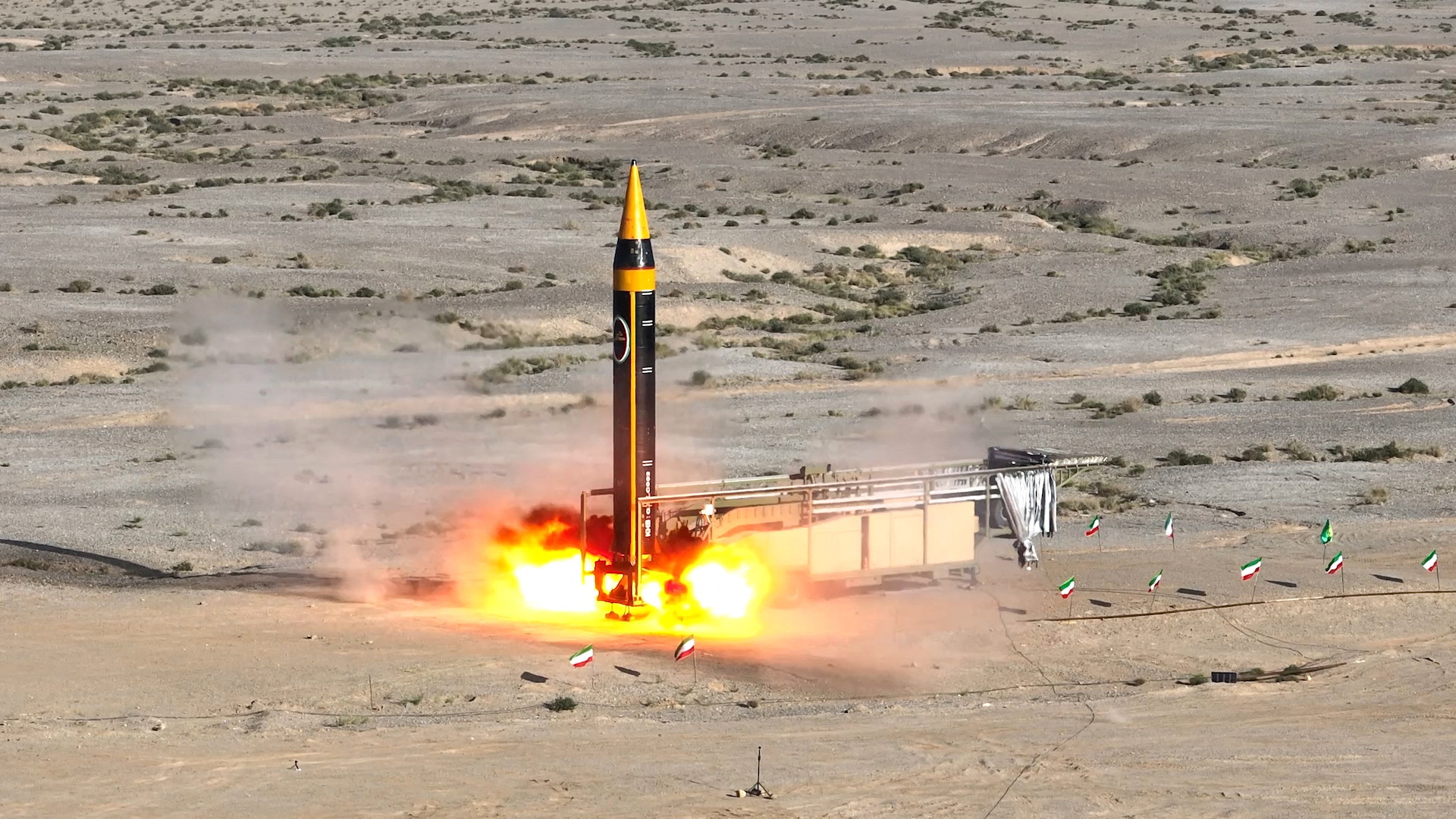
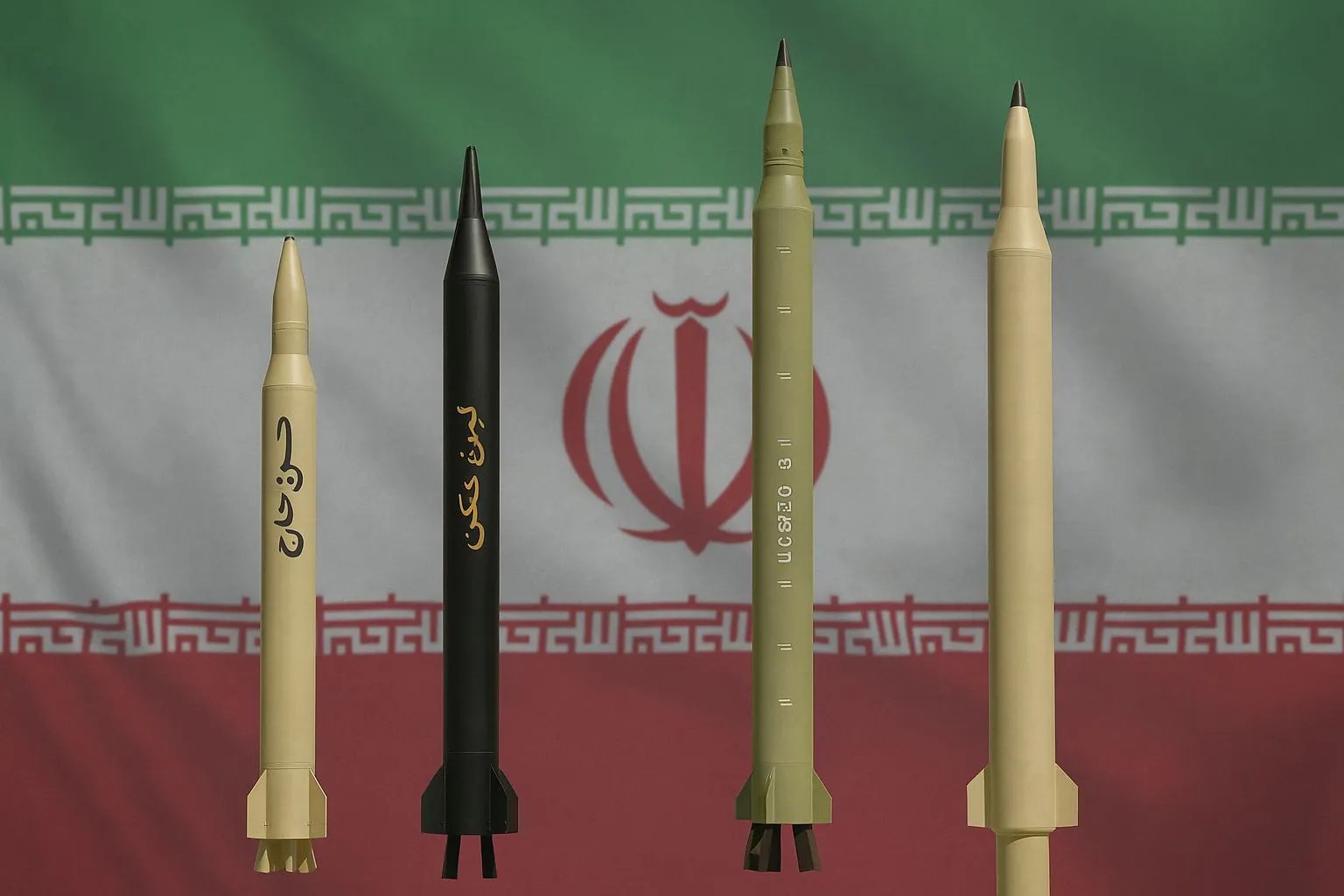
Some missile and rocket systems in the IRGC arsenal are capable of carrying submunition payloads that disperse multiple explosive fragments over wide areas, increasing the risk of civilian harm.
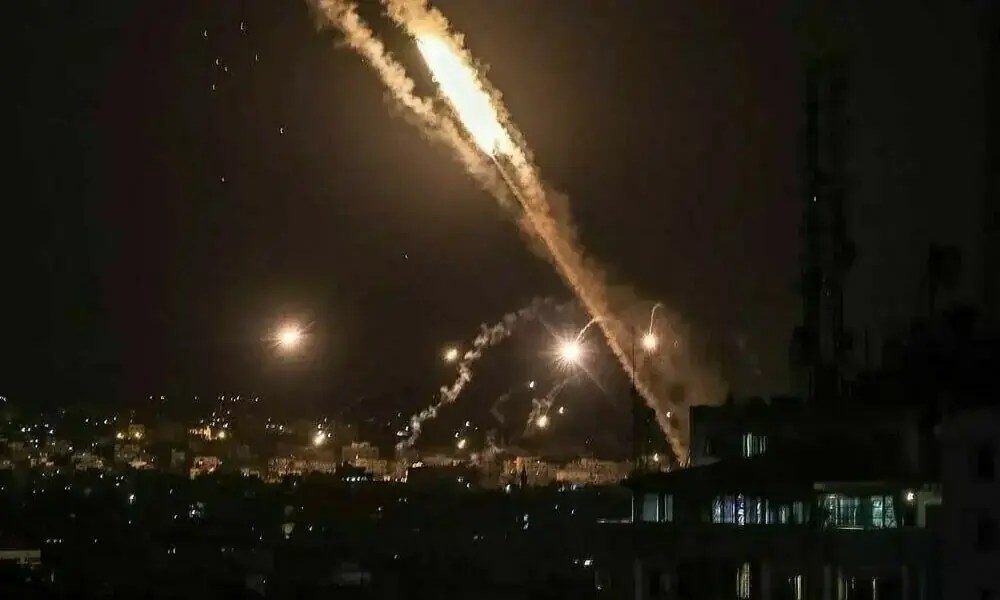
These missiles have been used in attacks against military installations associated with the United States and its regional partners in the United Arab Emirates, as well as in strikes against Israel.
EXPANDED MISSILE RANGE:
The Iranian regime has publicly stated that its missile range is limited to approximately 2,000 kilometers. This figure has been repeated in multiple official statements, including by Iranian Foreign Minister Abbas Araghchi.
However, the recent attack on Diego Garcia, located roughly 4,000 kilometers from Iran, indicates that newer missile platforms and space-launch vehicles are capable of reaching significantly greater distances than previously stated. The strike was widely understood as a demonstration of extended reach and a signal of capability beyond the limits previously described by Iranian officials.
The strategic significance of this becomes clearer when considering geography.
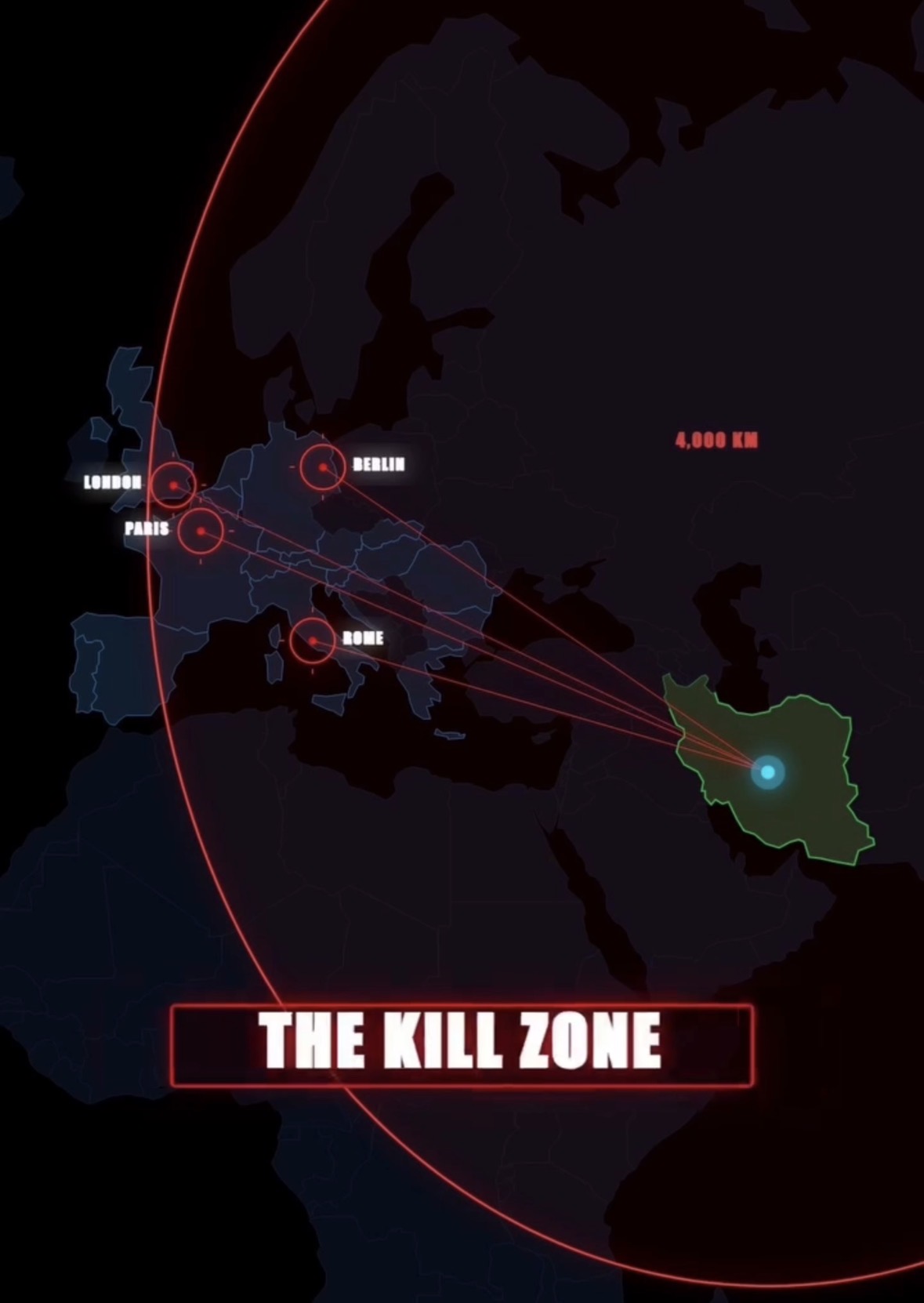
A strike radius of 4,000 kilometers places within reach major European capitals such as:
- London
- Berlin
- Paris
- Rome
As well as major military facilities across the Indian Ocean region. This expansion creates significant security concerns for countries within that distance.
IS IRAN A THREAT TO THE WORLD?
Taken together, enrichment at 60% purity and the continued expansion of missile range significantly change the strategic picture.
These developments indicate a program that has been developed over many years, not only for the defense of territory but also for long-range force projection, with more countries now within direct range of these capabilities.
Recent intercepted encrypted communications between the IRGC and affiliated sleeper cells abroad instructing them to prepare for operations outside Iran further demonstrate that these capabilities are not limited to conventional military systems.
These developments are not theoretical. They reflect measurable changes in capability already underway. They are also connected to a wider network of regional proxy forces and external operational partners that extend Iran’s reach well beyond its borders.
 Iran Explained