This year’s movement marks a turning point. Over the last two decades, the Iranian people tried repeatedly to call for reform, but time after time they were met with brutal force, violence, and bloodshed.
People as young as teenagers have been imprisoned, tortured, subjected to severe sexual violence, in some cases to the extent that survivors required surgical removal of their uteri or parts of their intestines, forced to sign confessions, and in some cases executed by public hanging without meaningful legal representation.
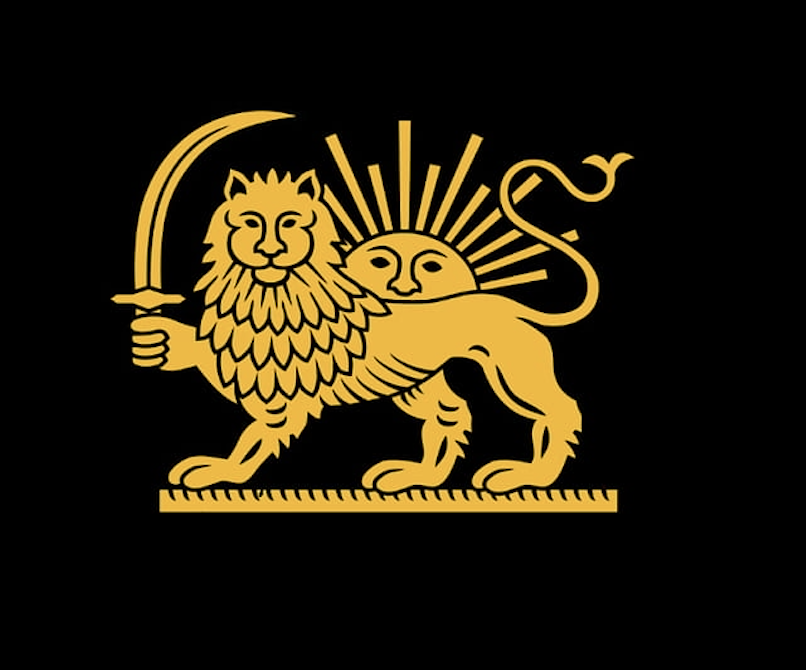
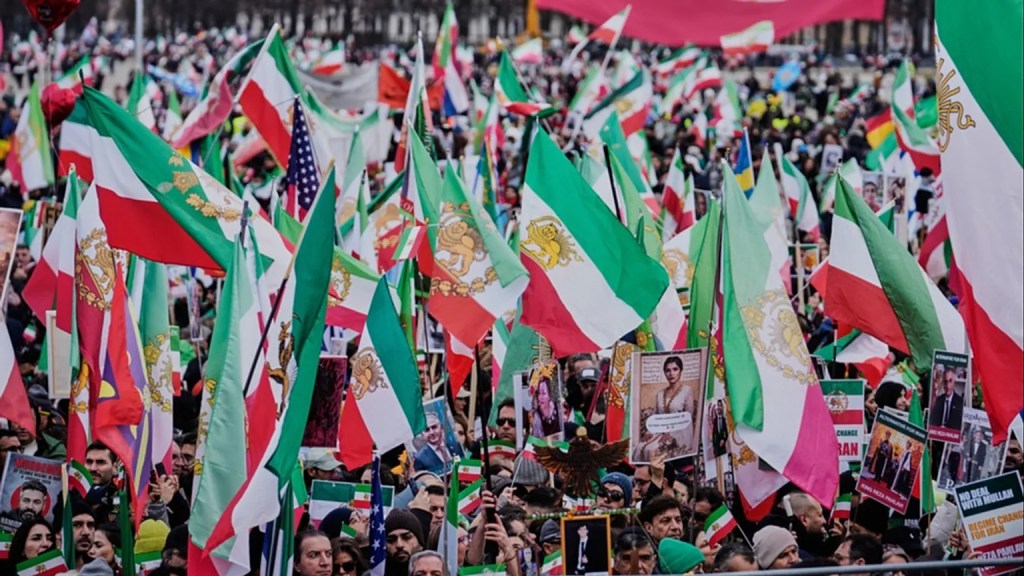
It has now reached a point where many will no longer accept reform. Instead, they are calling for the end of the regime and its political system. During the January demonstrations, millions of protesters openly called for the return of Reza Pahlavi in chants such as جاوید شاه (Javid Shah – “Long Live the King”) and این آخرین نبرده، پهلوی برمیگرده (“This is the final battle. Pahlavi will return”).
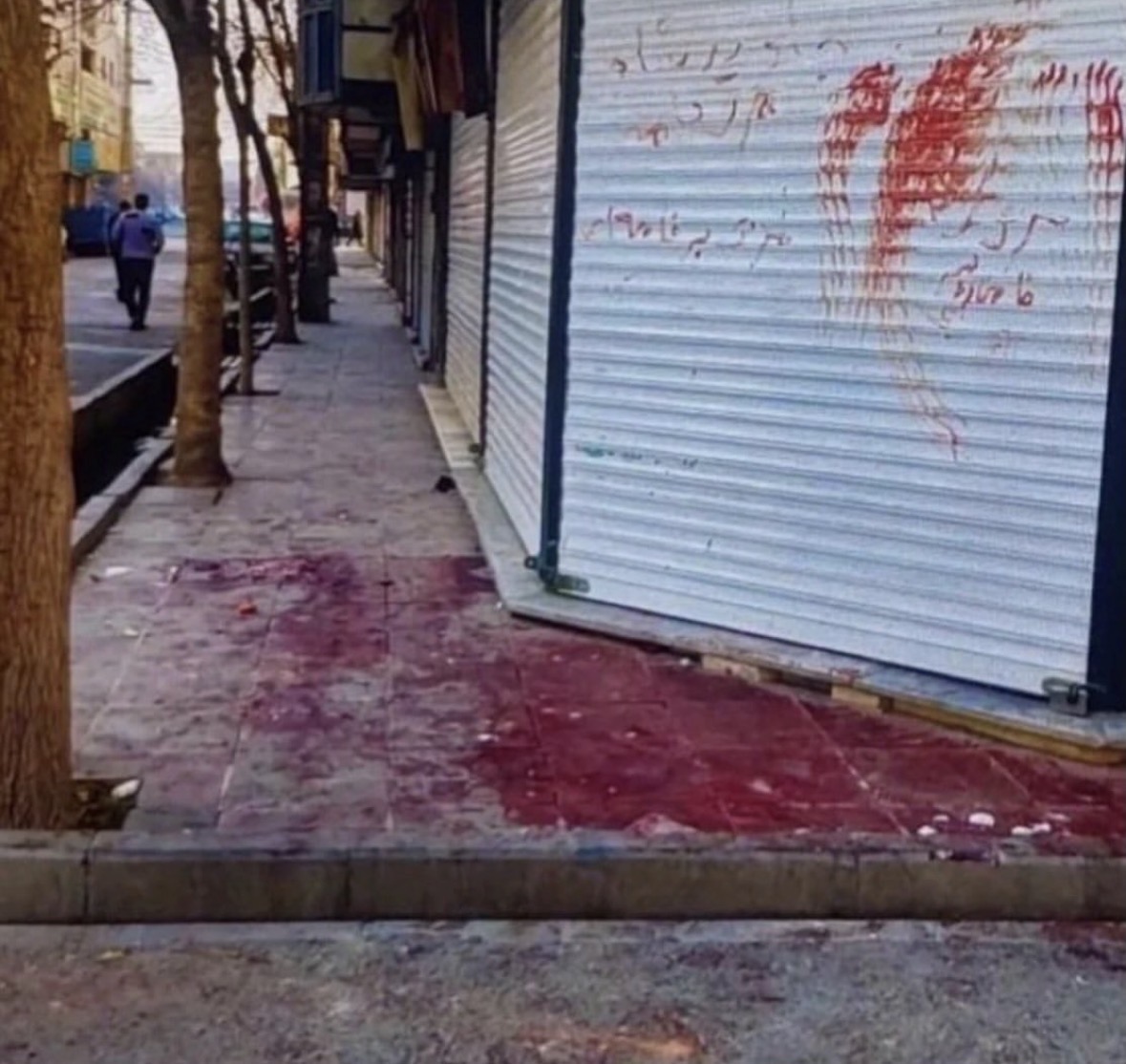
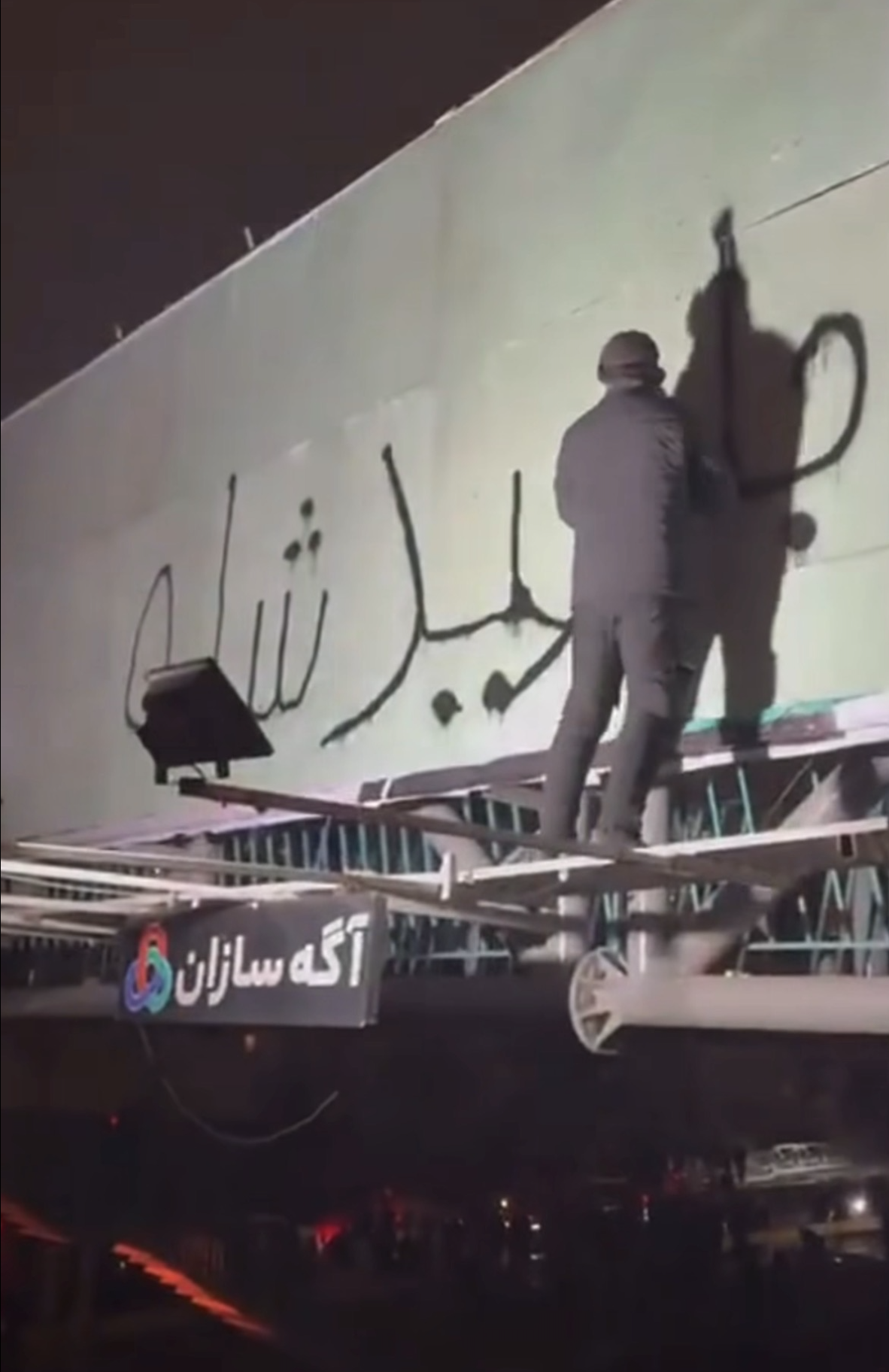
However, having tried all other options, many Iranians believe they cannot achieve this alone. On the streets, unarmed civilians face the IRGC, the Basij, and armed militia brought in from Iraq and Afghanistan, who have repeatedly used live, military-grade weapons against demonstrators. Nor are they safe in their own homes. Video footage from multiple cities shows security forces firing into residential apartment buildings after hearing anti-regime slogans.
For this reason, as well as calling for Reza Pahlavi, millions of Iranians have called for external military pressure on the regime’s security institutions, including strikes by the United States and Israel.
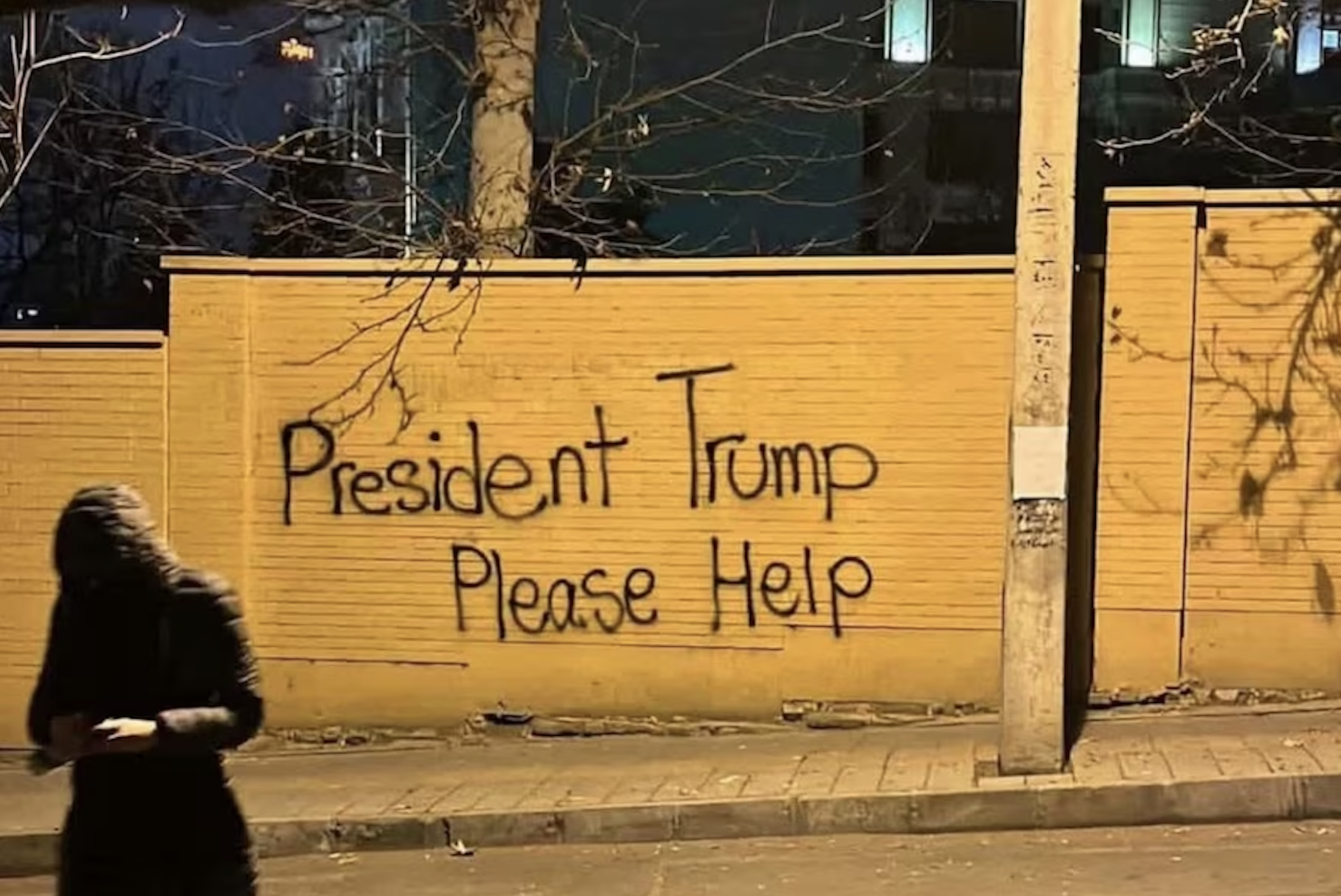
They know that without this foreign aid, they will never be freed from the regime. After years of repression and repeated massacres, some now say they would rather risk foreign bombs than continue living under their own government
This level of desperation is rarely understood by those who have never lived under such a system. Iranians across the diaspora, many of whom experienced life under the Islamic Republic before leaving the country, believe that without sustained external pressure, a regime with such entrenched security control cannot be dismantled.
After decades of sanctions, negotiations, and internal protest movements failed to produce structural change, many Iranians now see pressure on the regime’s security institutions as the only remaining path to political transition.
With the internet again shut down nationwide for nearly a month, the diaspora has taken on the role of amplifying the voices of those inside Iran who have been silenced. Many do not describe the current conflict as a war. They describe it as a rescue operation, understanding that the strikes are directed not at the Iranian people but at the institutions of the Islamic Republic. They not only support this rescue operation but are actively calling for it to continue until the regime is fully dismantled. For this reason, many Iranians celebrated when the strikes began and when Ali Khamenei was killed.
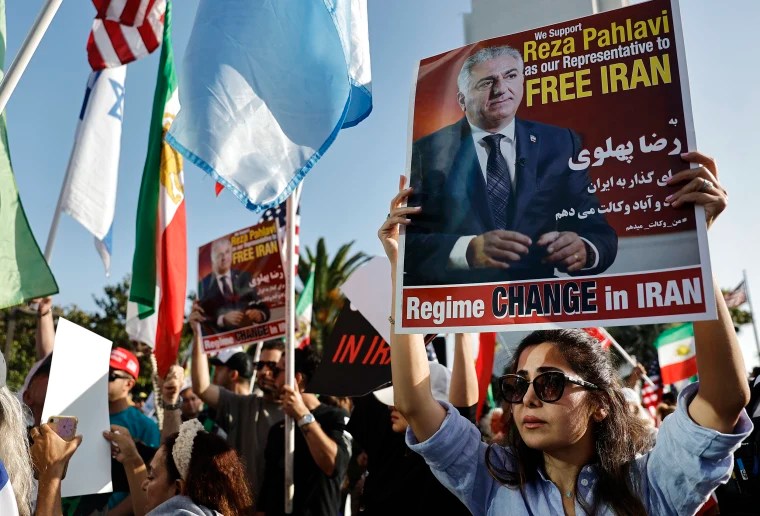
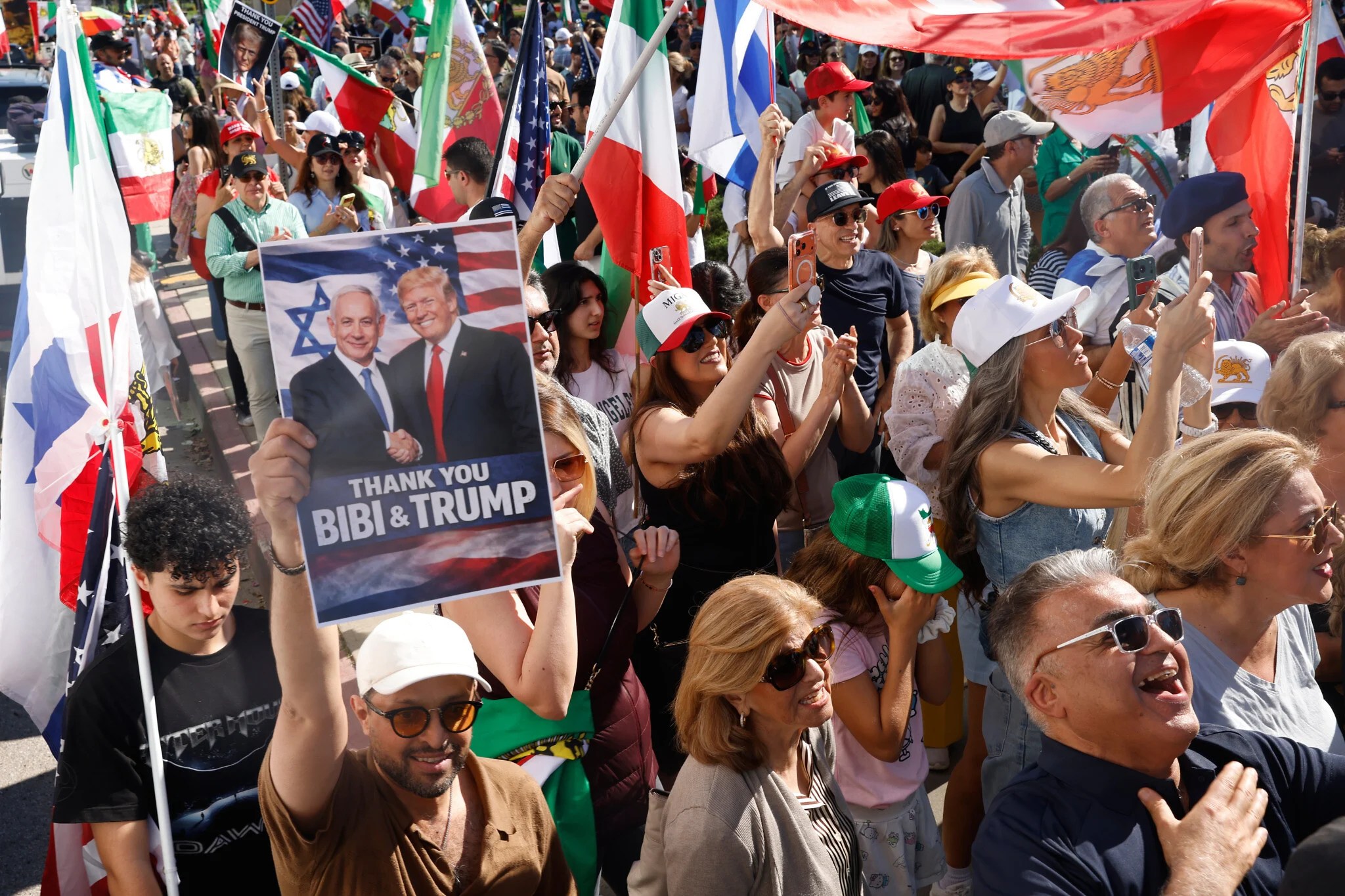
Understanding that political change without coordinated leadership can create a dangerous power vacuum, much of the Iranian diaspora put aside political differences and united behind Reza Pahlavi as a transitional national figure.
 Iran Explained