The IRGC and its proxies have built an extremely sophisticated propaganda machine. During major protests or periods of conflict, the Iranian regime has repeatedly imposed nationwide internet shutdowns. These restrictions prevent citizens from sharing images, videos, and first-hand reports while allowing only official narratives to leave the country. As a result, events inside Iran often cannot be independently verified in real time.
For example, during the January massacres, the regime withheld information about large-scale civilian killings while reporting that only 3,000 of its own security personnel had died in clashes with protesters. Many Iranians in the diaspora immediately recognized this contradiction as part of a familiar pattern from previous crackdowns.
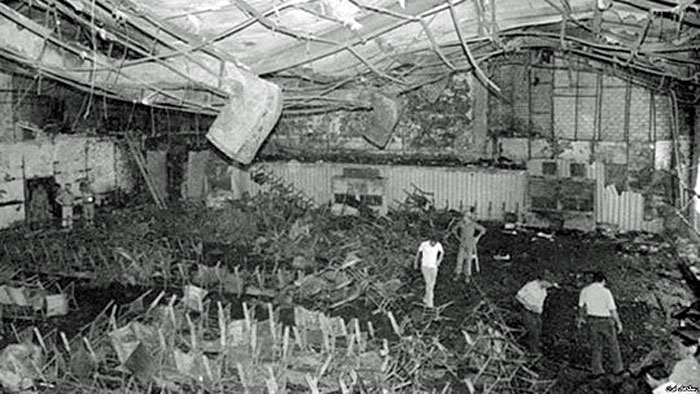
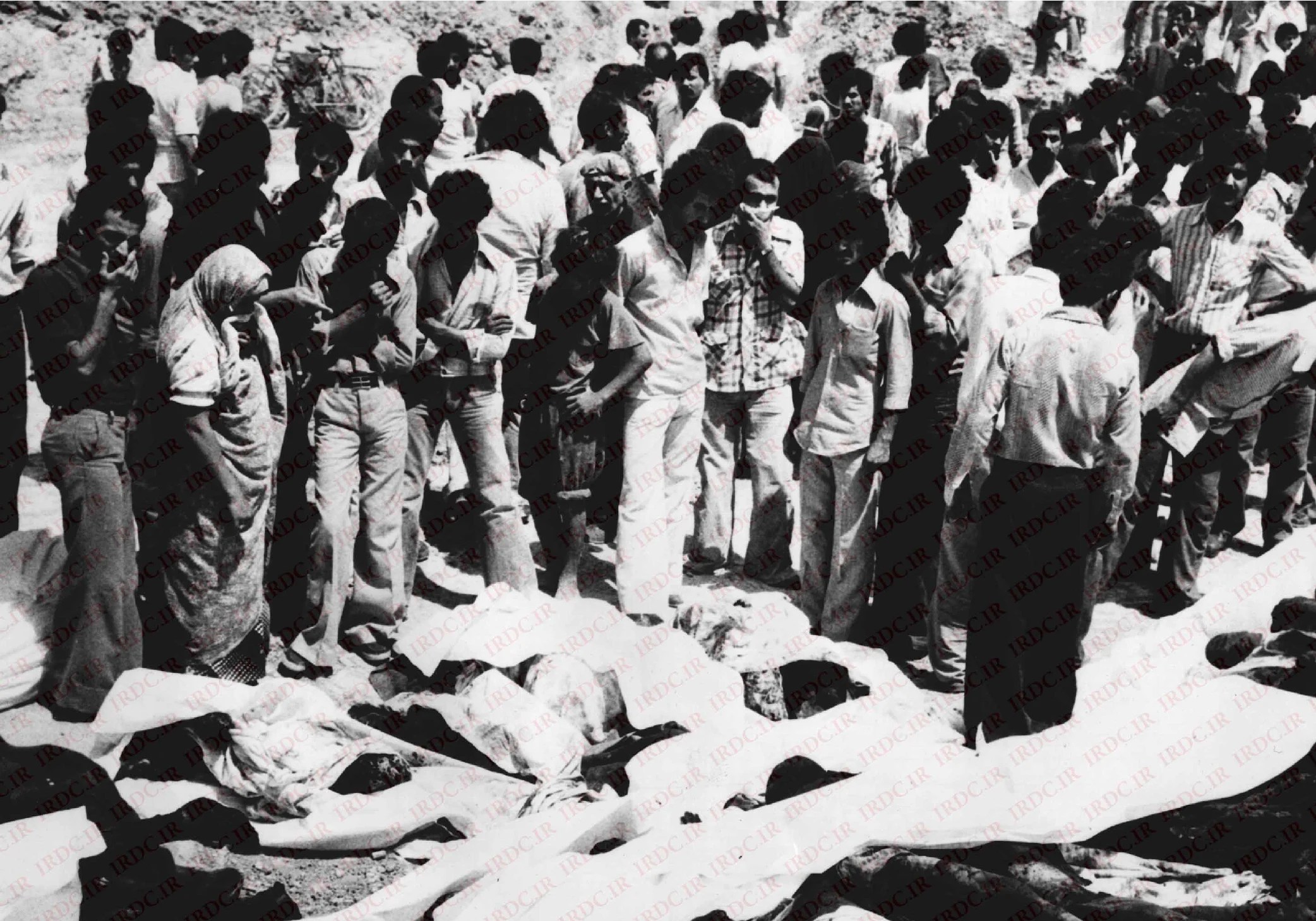
Iranians have seen this strategy before. The 1978 Cinema Rex fire, which killed around 422 people, became one of the most influential narrative turning points of the revolution after responsibility was initially attributed to the Shah’s security service, SAVAK. Later, Islamists associated with the revolutionary movement acknowledged involvement.
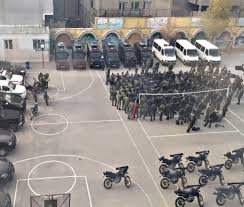
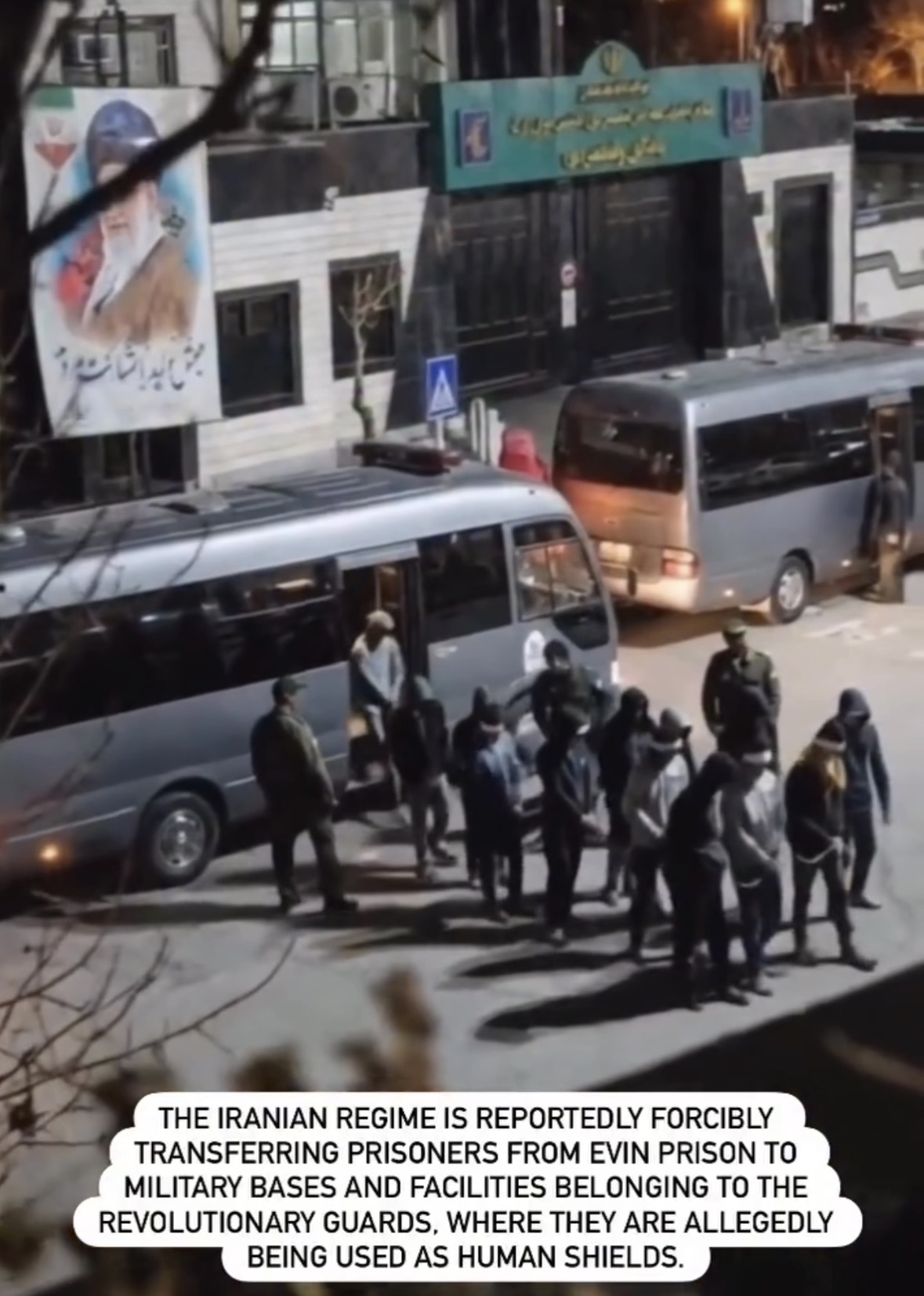
Military infrastructure and personnel have also been positioned within hospitals and schools, while political prisoners have been transferred into facilities linked to IRGC security installations. When those locations are later struck, the resulting casualties can be used for political messaging. Under international law, this constitutes the illegal use of human shields.
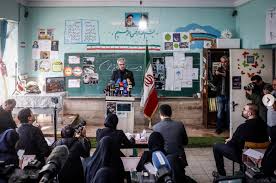
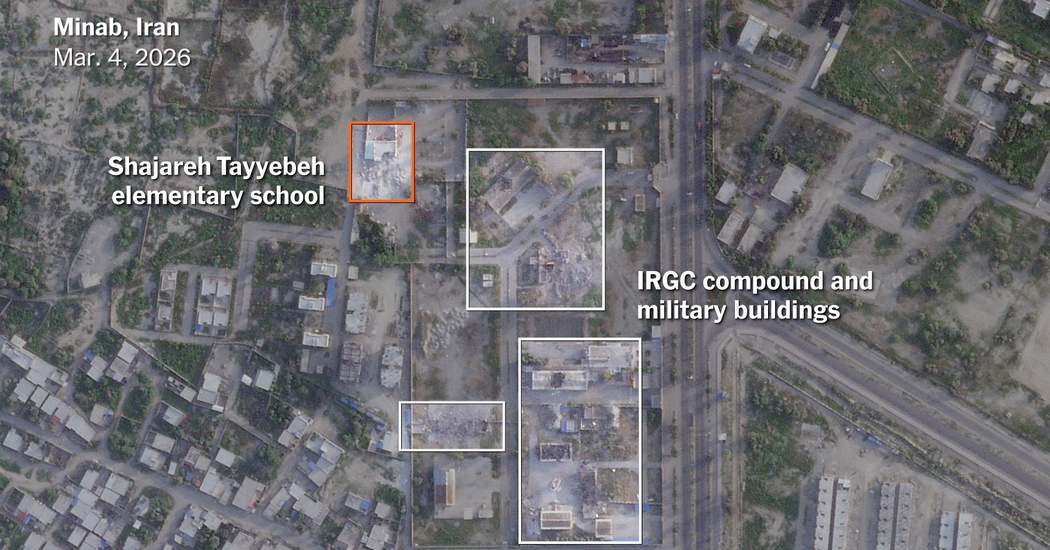
One example is a school in Minab located approximately 50 meters from an IRGC military base. Around 160 deaths were reported following a missile strike. However, many observers outside Iran did not question why the school remained open during wartime conditions or why it was located so close to a military installation.
The regime also relies on English-speaking commentators, diplomats, and officials who are frequently presented in international media as independent analysts or negotiators rather than as representatives of the state. For example, Seyed Mohammad Marandi is often introduced as an academic expert without reference to his longstanding institutional alignment with the Islamic Republic or his family connection to Supreme Leader Ali Khamenei through his father, who served as Khamenei’s personal physician. Similarly, senior officials such as Abbas Araghchi regularly appear in international media to present official state positions while being described primarily as negotiators or analysts. Iranian ambassadors abroad also play a direct role in communicating the government’s narrative to foreign audiences and policymakers during periods of conflict and domestic unrest. Together, these appearances can give audiences the impression of neutral commentary rather than coordinated government messaging.
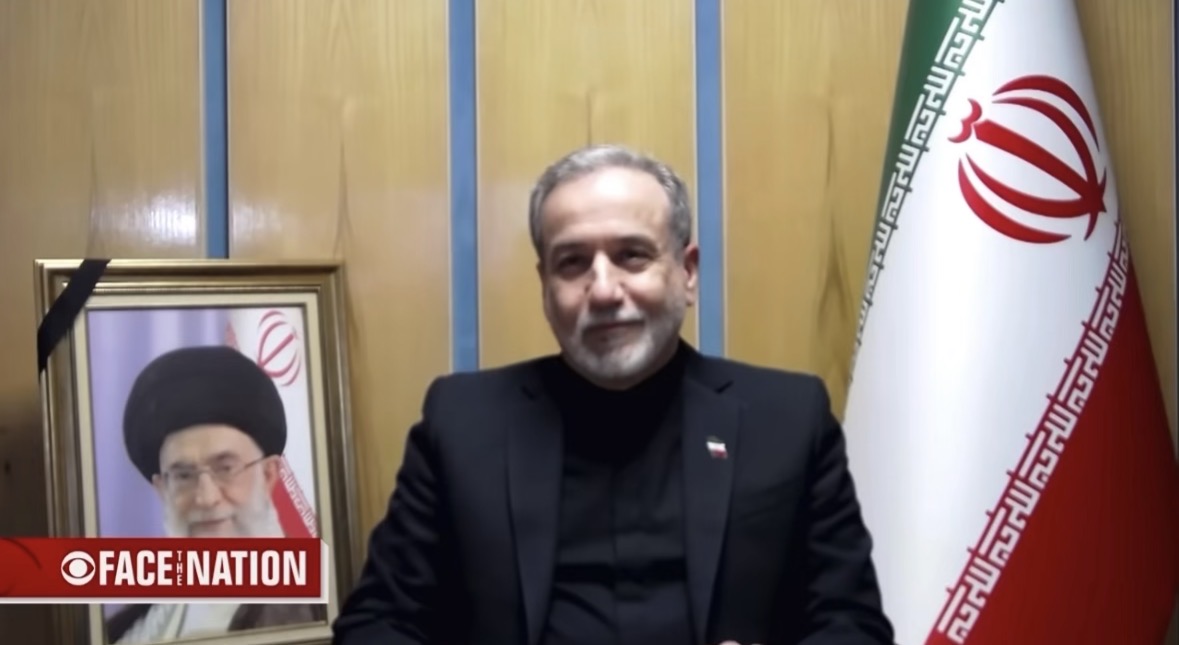
Coverage by major international outlets, therefore, often relies on statements from the same authorities accused by many Iranians of responsibility for mass killings during the January demonstrations, including the deaths of more than 250 children, events that were never transparently reported to the outside world.
Foreign journalists and influencers are also selectively invited to Iran and granted tightly controlled access only to approved locations and events, while Iranian journalists inside the country face arrest and prosecution for reporting independently.
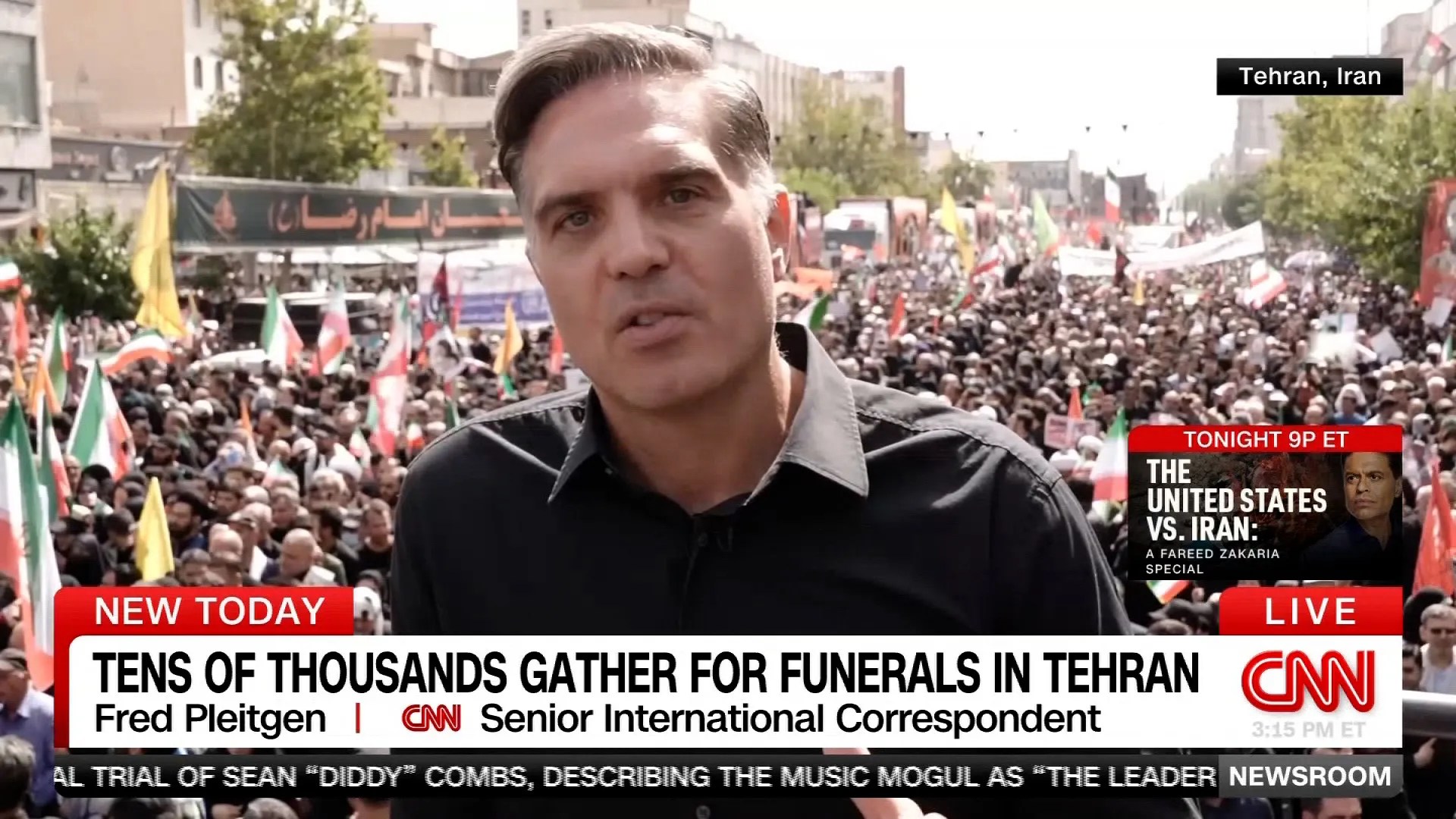
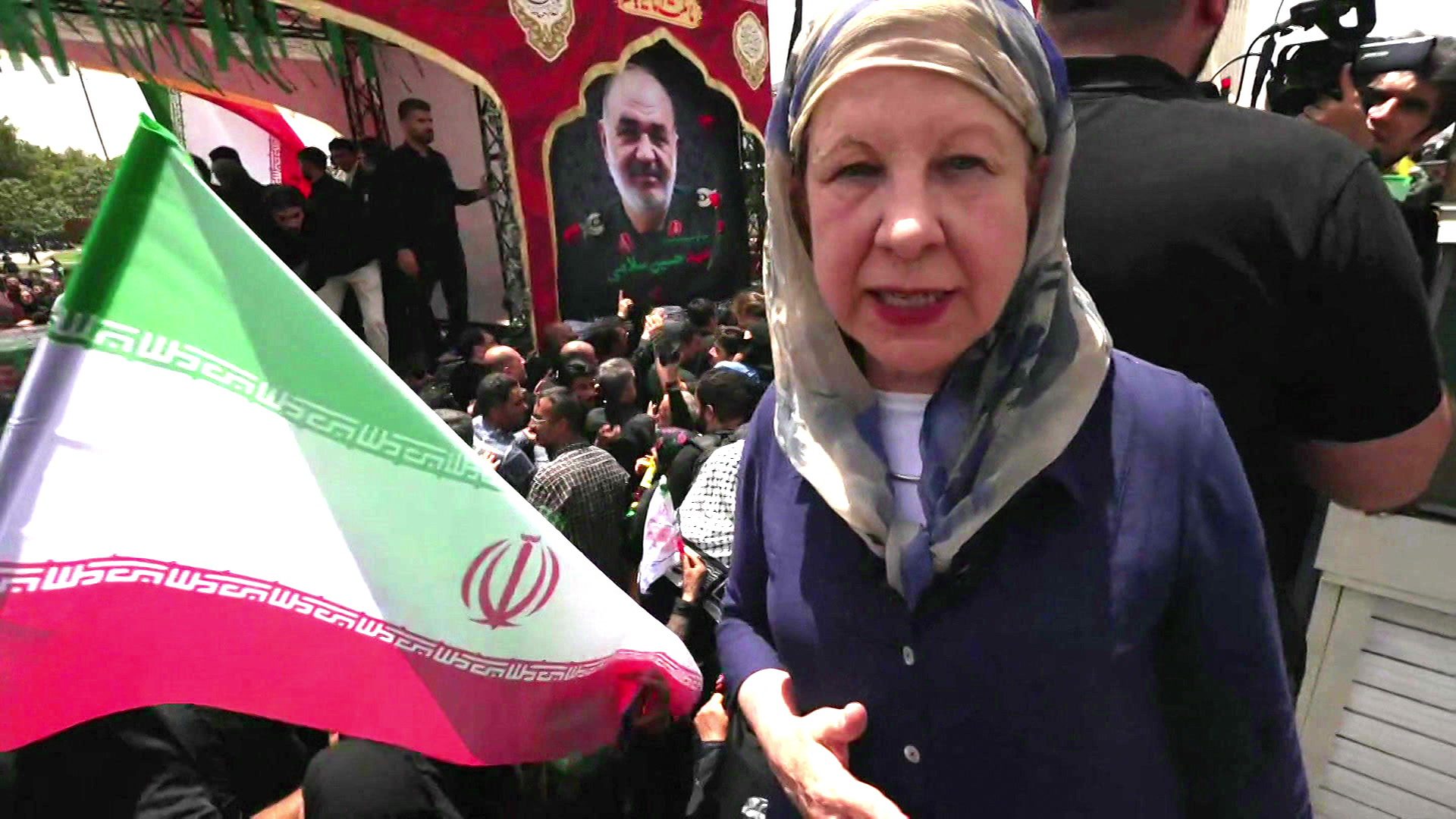
Taken together, the repeated use of internet shutdowns, restricted media access, documented civilian massacres, and the placement of military infrastructure within civilian areas make it extremely difficult for Western audiences to obtain an accurate picture of events as they unfold inside Iran. These conditions shape how conflicts involving the Islamic Republic are understood internationally and help explain why many Iranians outside the country do not accept the regime’s version of events at face value.
 Iran Explained