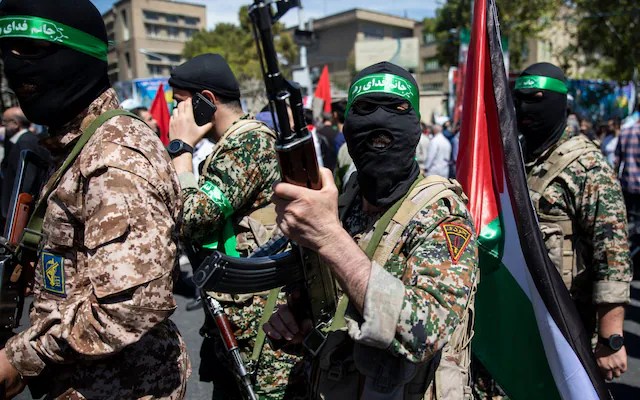
The Islamic Revolutionary Guard Corps (IRGC), known as Sepah-e Pasdaran in Iran, is the military, political, intelligence, and economic force created after the 1979 Islamic Revolution to protect the Islamic Republic and its leadership.
Unlike Iran’s regular army, which is responsible for defending the country’s borders, the IRGC was established to protect the regime itself and enforce the ideological foundations of the state. It reports directly to the Supreme Leader.
Because of its role in overseas militant activity and regional proxy warfare, the IRGC has been designated a terrorist organization by the United States, Canada, and several other governments, including Bahrain and Saudi Arabia.
Today, the IRGC operates as the central security, intelligence, military, and economic force sustaining the Islamic Republic.
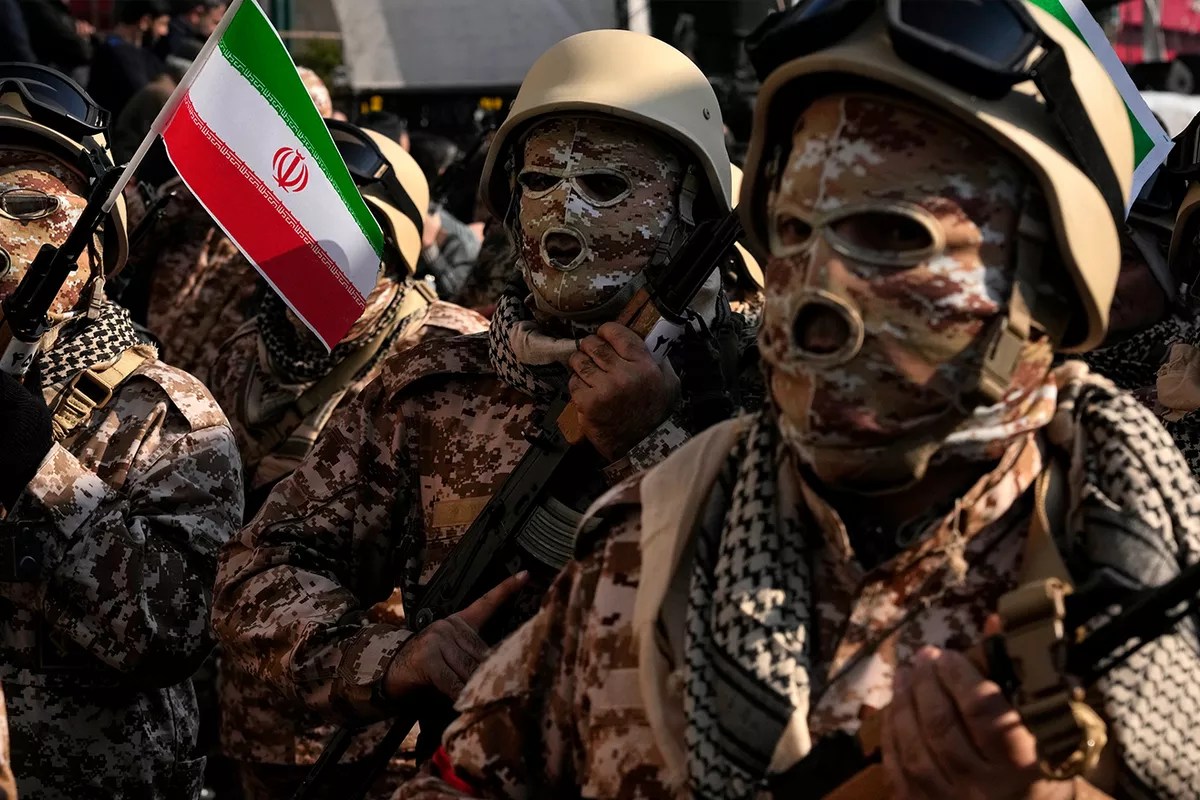
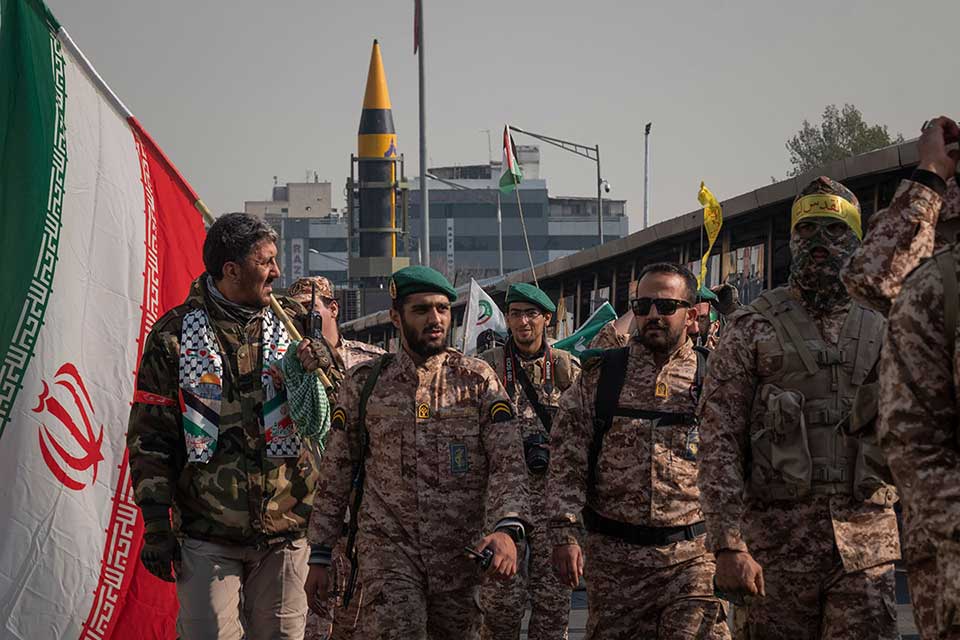
The IRGC plays a leading role in internal security and protest suppression. Its responsibilities include:
- Monitoring political dissent.
- Overseeing arrests of activists, journalists, and students.
- Operating intelligence and surveillance networks.
- Coordinating prison interrogations.
- Supporting morality enforcement structures.
- Restoring state control during nationwide protest movements.
IRGC-linked forces were deployed during every major protest wave.
THE BASIJ:
The Basij is a paramilitary volunteer force operating under the command of the IRGC. It functions as a nationwide auxiliary structure embedded across society. It operates through schools, universities, workplaces, and neighborhood networks.
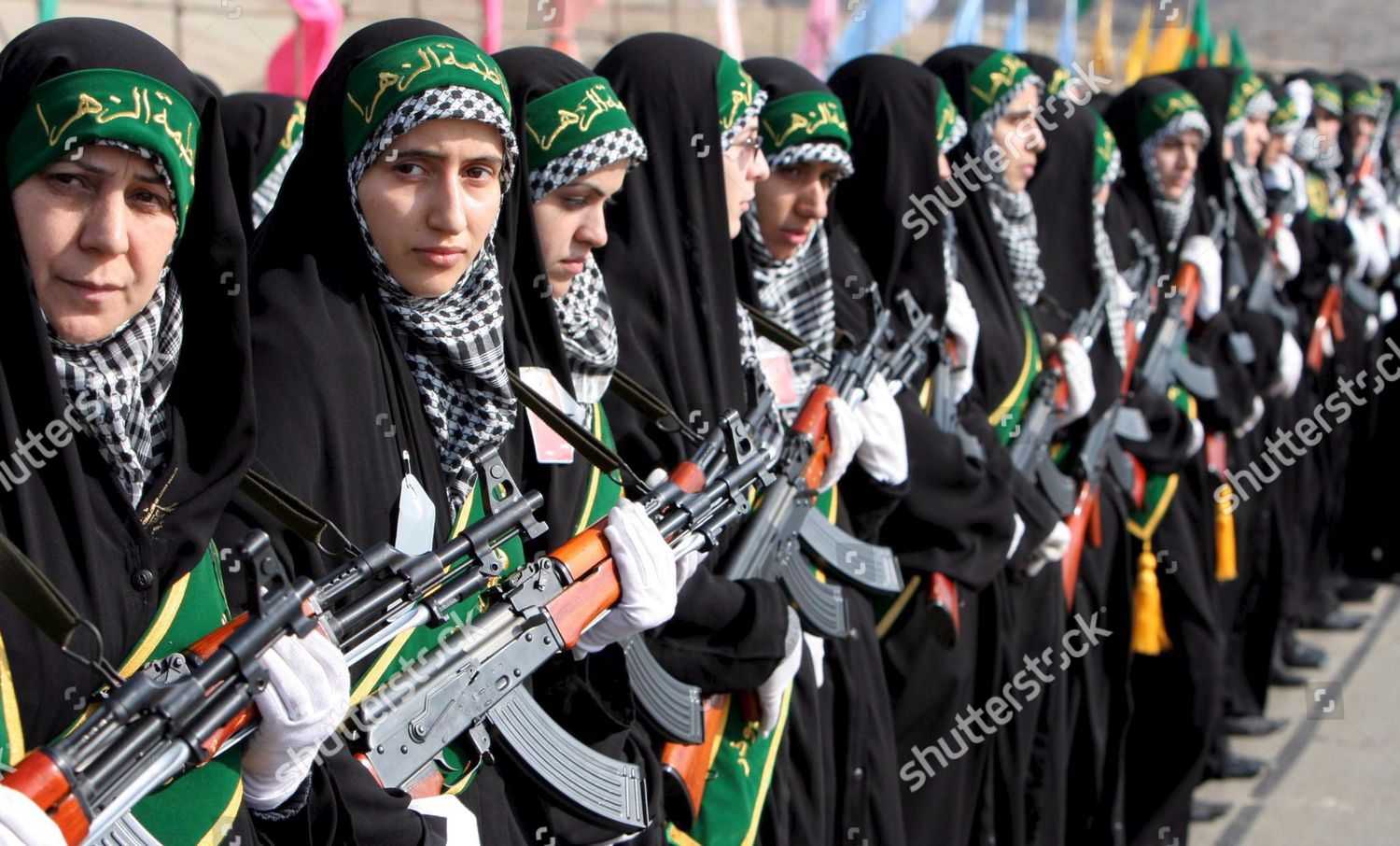
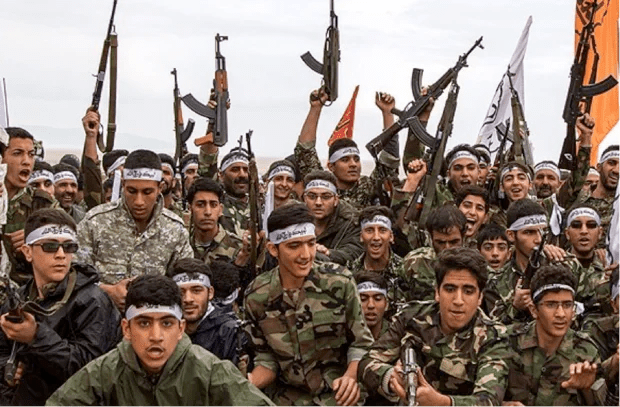
During protests, Basij members are used for street control, surveillance, intimidation, and arrests. Children and teenagers may also be recruited into Basij units.
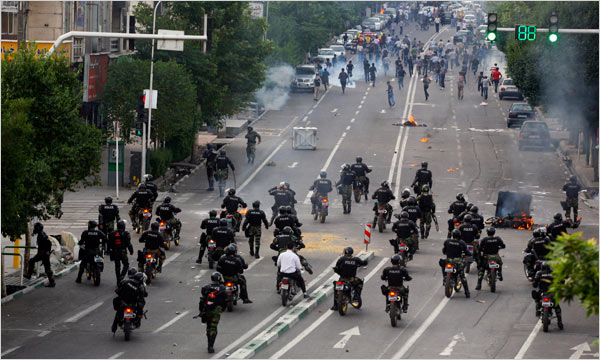
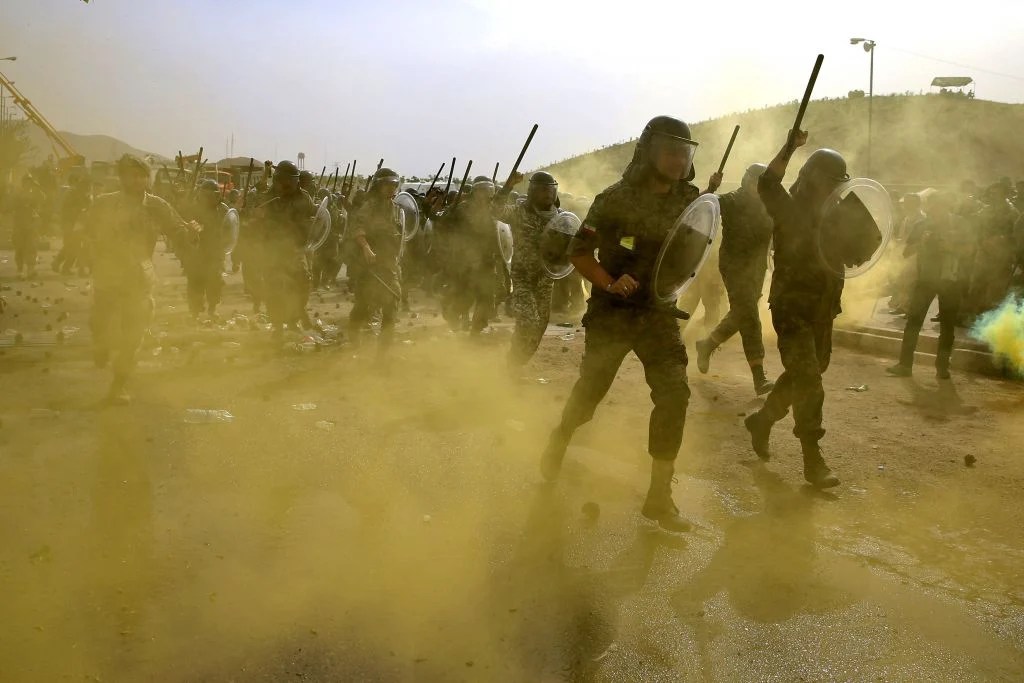
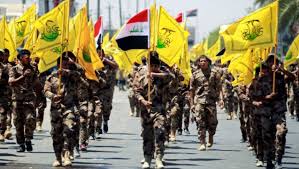
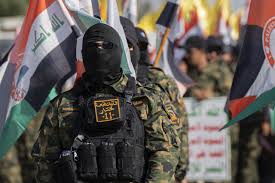
This year, armed militias like Hashd al-Shaabi, an Iraqi proxy of the IRGC, were deployed inside Iran to assist in suppressing protests. were also deployed to assist in suppressing citizen dissent.
 Iran Explained