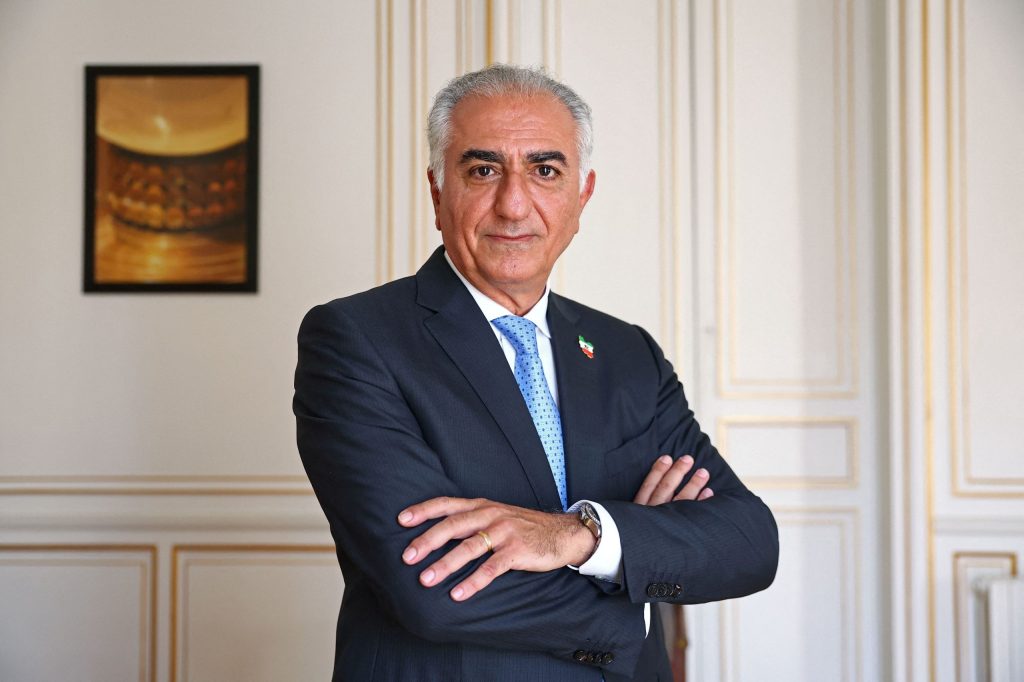
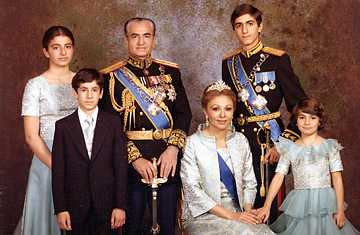
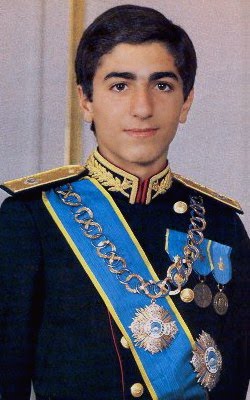
Reza Pahlavi, the Crown Prince of Iran and the eldest son of Mohammad Reza Shah Pahlavi and Empress Farah Pahlavi, was forced into exile at the age of seventeen in January 1979 and has since lived abroad.
For more than four decades, he has remained one of the most prominent political figures, opposing the Islamic Republic and advocating a peaceful transition to a secular democratic system chosen by the Iranian people.
In recent years, his name has appeared repeatedly in protest slogans inside Iran. During the January demonstrations, protesters openly chanted جاوید شاه (Javid Shah – “Long live the King”) and این آخرین نبرده، پهلوی برمیگرده (“This is the final battle, Pahlavi will return”), and wrote these slogans on walls, in some cases in their own blood. (refer to the January protests page).
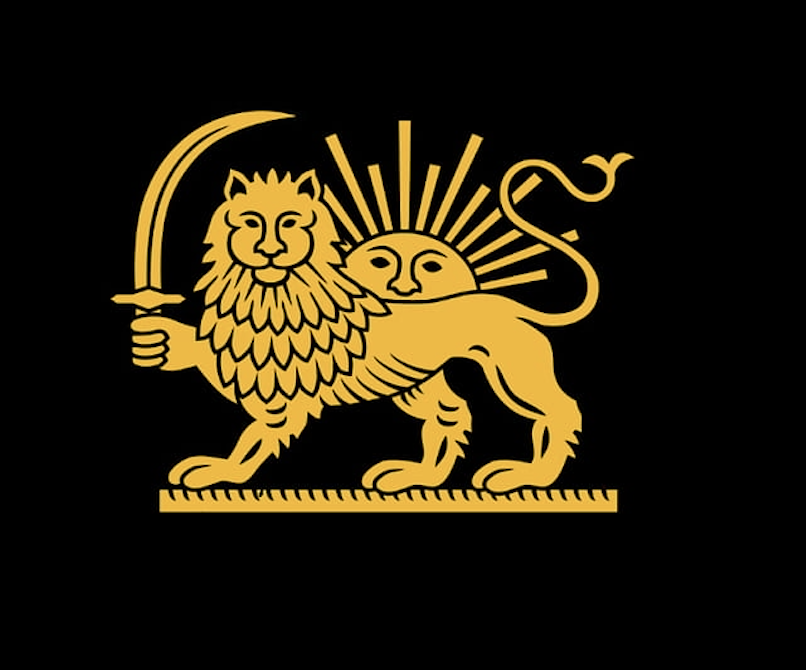
The strength of this call led much of the Iranian diaspora to set aside political differences and unite behind him as the central national figure of what supporters now describe as the Lion and Sun Revolution, a reference to Iran’s historic flag, which served as the national symbol of Iran during the reign of Mohammad Reza Shah Pahlavi and earlier Pahlavi rule and has therefore become closely associated with the pre-1979 Iranian state.
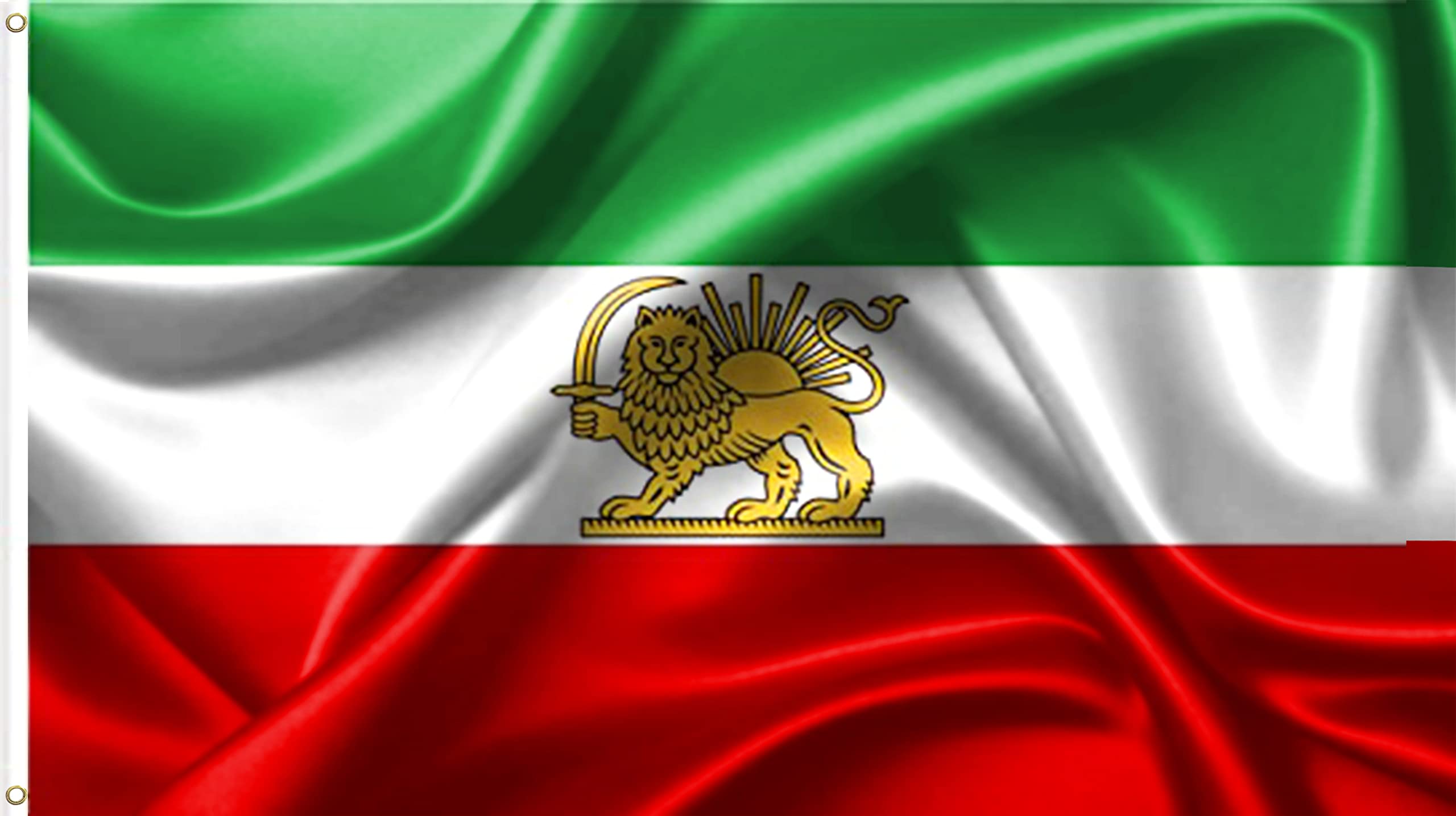
It is important to note that some supporters do not advocate a return to monarchy; however, Reza Pahlavi himself presents his role not as that of a future monarch, but as a transitional national figure who supports unity, stability, and the establishment of a secular democratic government.
Reza Pahlavi has consistently stated that Iran’s political system should be decided through a referendum. He supports:
- Separation of religion and state
- Free elections under international observation
- Protection of minority rights.
- Equality under the law for women
- Reintegration with the international community
For supporters, his role is not only symbolic during the current confrontation with the Islamic Republic, but practical during the transition that would follow its collapse. Together with a network of top policy specialists, legal experts, economists, and civil society figures working through Iran’s Prosperity Project, he has outlined a structured roadmap intended to guide Iran through a fragile transition period and toward a future government chosen directly by its citizens.
 Iran Explained