Since 1979, Iran’s legal system has been based on the state’s interpretation of Twelver Shia Islamic law (Sharia). This framework governs criminal law, family law, sexuality, education, cultural expression, and everyday public behavior.
Sharia law forms the basis of the legal system and is enforced through courts, police, and state security institutions.
EVERYDAY RESTRICTIONS:
Sharia-based legislation regulates religion, education, gender roles, personal attire, relationships, cultural expression, and daily public behavior across the country.
- The public practice of religions outside the state’s interpretation of Shia Islam can result in persecution, detention, exclusion from education or employment, and, in some cases, execution.
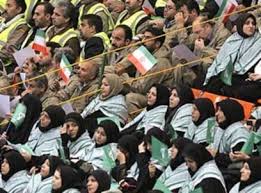
- Gender apartheid: state-mandated segregation between women and men was introduced across public spaces, including schools and hospitals.
- Gender apartheid was put in place, restricting women’s legal status, mobility, dress, employment opportunities, and participation in public life. Women’s rights are reduced to half those of a man.
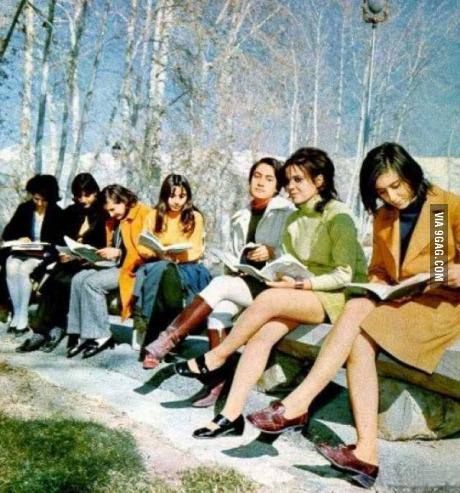
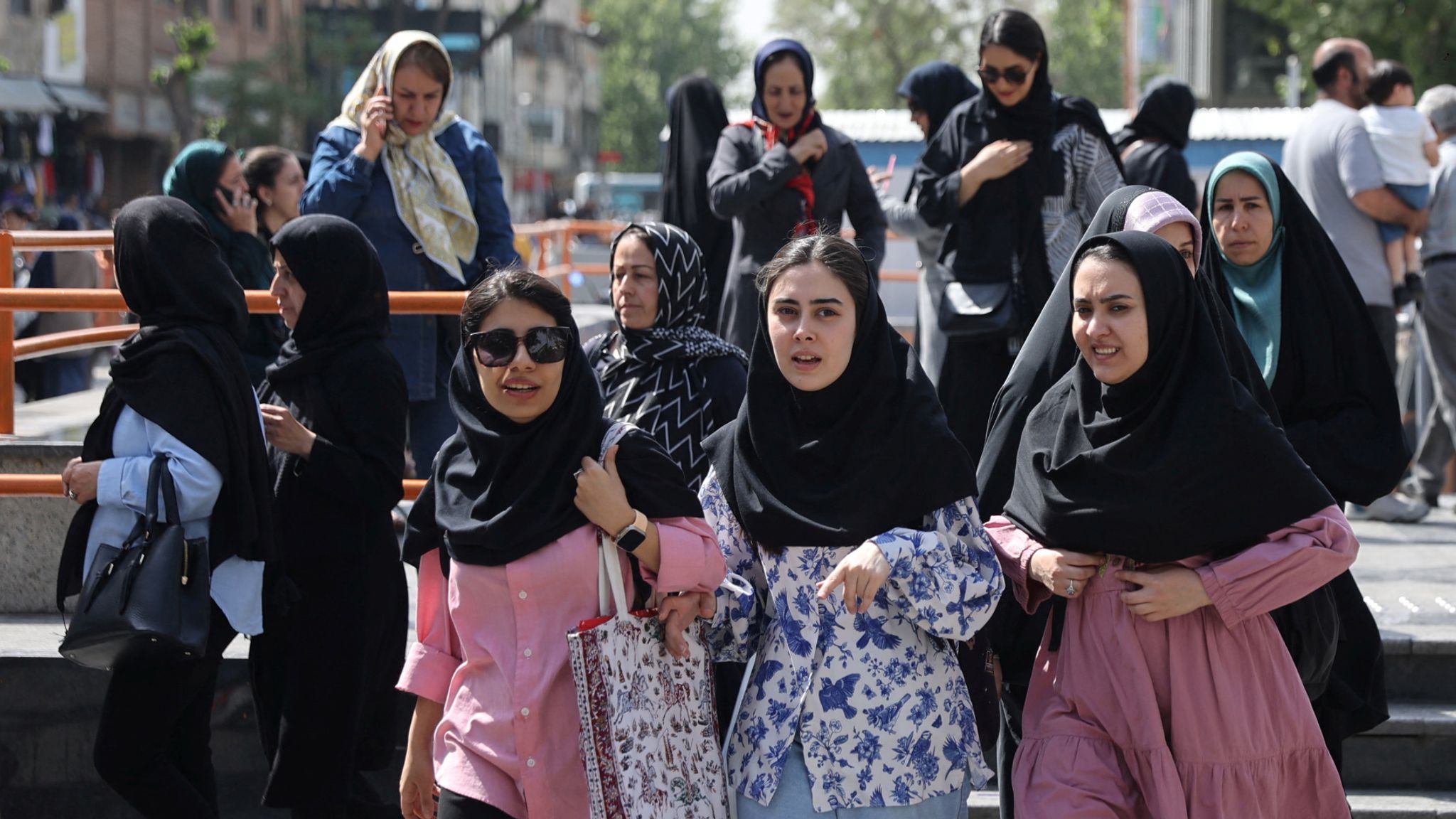
- Hijab is legally mandatory for women in public.
- Women are prohibited from singing solo in public before mixed audiences.
- School curricula include compulsory religious instruction and mandatory daily chants of “Death to America”, “Death to Israel,” and “Death to England.”
- Relationships before marriage are criminalized, and people are not permitted to have boyfriends or girlfriends.
- Music and cultural expression are subject to state censorship. Only male artists can make music if they get permission from the state.
- Alcohol is banned nationwide.
- Pork consumption is prohibited.
- Dogs are considered haram (religiously impure), and ownership is heavily frowned upon. Walking dogs in public can result in fines, arrest, or even confiscation.
WOMEN’S RIGHTS AND FAMILY LAW:
Under the Islamic Republic’s legal framework, women do not have equal status with men in several areas of law. Examples include:
- Inheritance shares are generally half those of male relatives.
- In most court proceedings, a woman’s testimony counts as half that of a man.
- Financial compensation for injury or death (diyah) has historically differed between men and women.
- Fathers are recognized as primary legal guardians of children.
- Husbands can restrict a wife’s ability to obtain a passport or travel abroad.
- Men may legally marry up to four permanent wives. Women cannot.
- Men may also enter temporary marriage contracts (sigheh), which can last from hours to years and do not provide the same legal protections as permanent marriage. Women do not have equivalent rights. As a result, relationships that are legal for men can be treated as adultery for women.
- Adultery is a criminal offense punishable under Iran’s penal code by flogging or death by stoning. In certain circumstances, Iranian law provides reduced criminal liability for a husband who kills his wife if she is caught in the act of adultery.
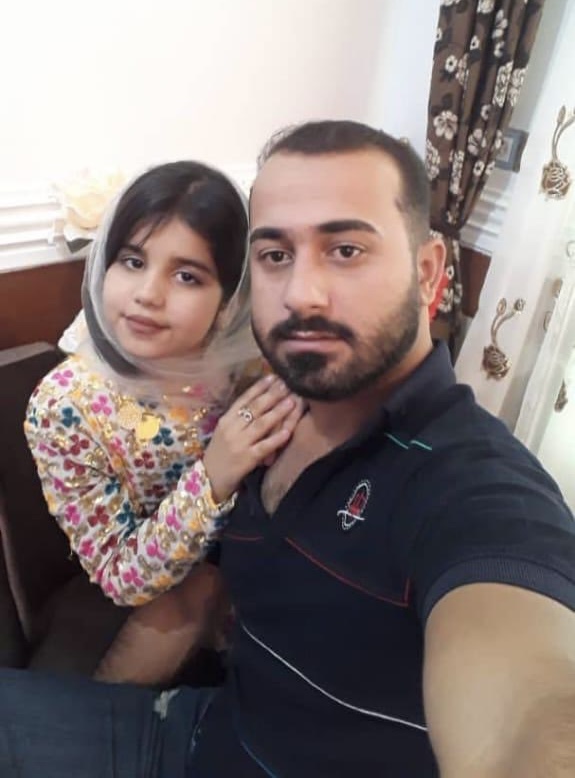
- The legal marriage age for girls is 13. However, marriages as young as 9 years old can be approved by the court with the father’s consent.
LGBTQ+ RIGHTS:
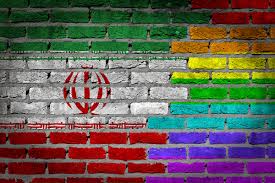
Same-sex relationships are treated by authorities as a “moral deviation” or “mental illness” rather than a recognized identity. They are criminalized and can result in flogging, imprisonment, stoning, or execution by hanging.
Iran remains one of the few countries where consensual same-sex relations can legally carry the death penalty.
CHILDREN AND YOUTH RIGHTS:
Children grow up within an education system shaped by state religious ideology. Examples include:
- Compulsory religious instruction in schools.
- Compulsory political chanting in some schools, including slogans such as “Death to America,” “Death to Israel,” and “Death to England.”
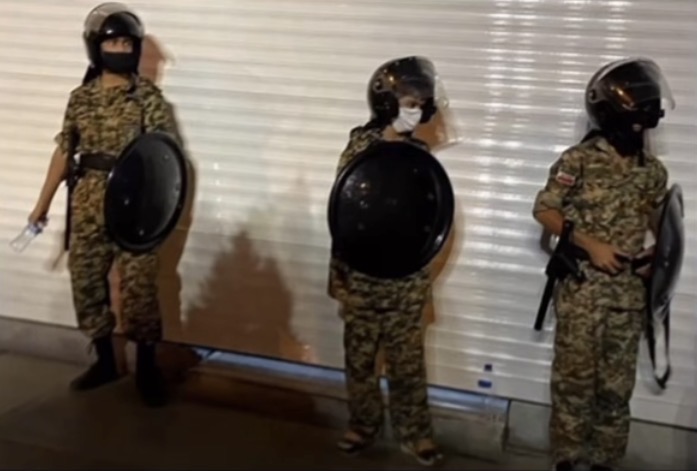
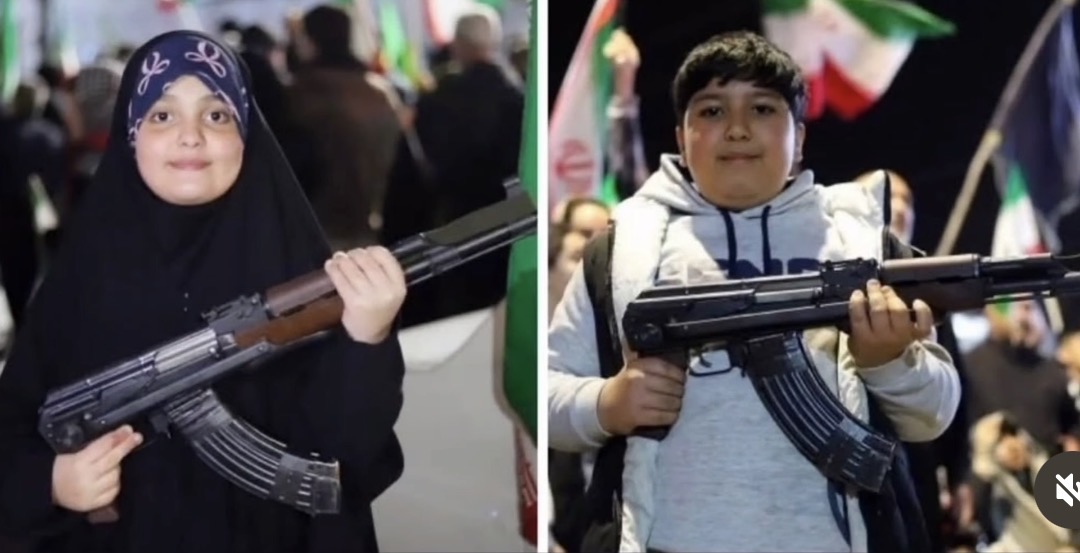
- political loyalty promoted through state-linked youth organizations.
- Minors can be detained, prosecuted, and in some cases executed for participation in protests.
- From the age of 15, children can be treated as legally responsible adults in parts of the criminal justice system.
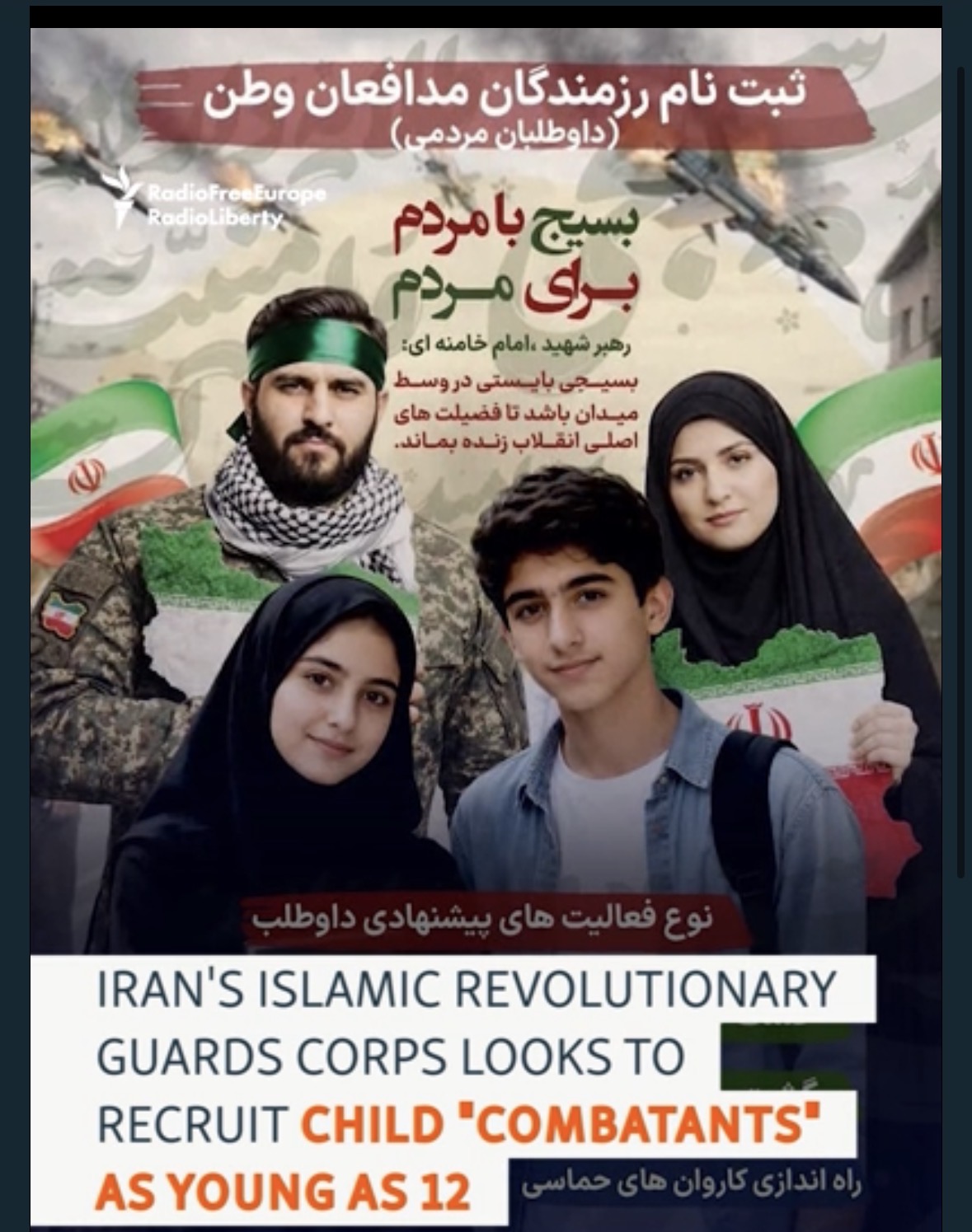
- Children as young as twelve, as well as teenagers, may be recruited into the Basij or the IRGC. This is currently happening in Iran.
 Iran Explained